

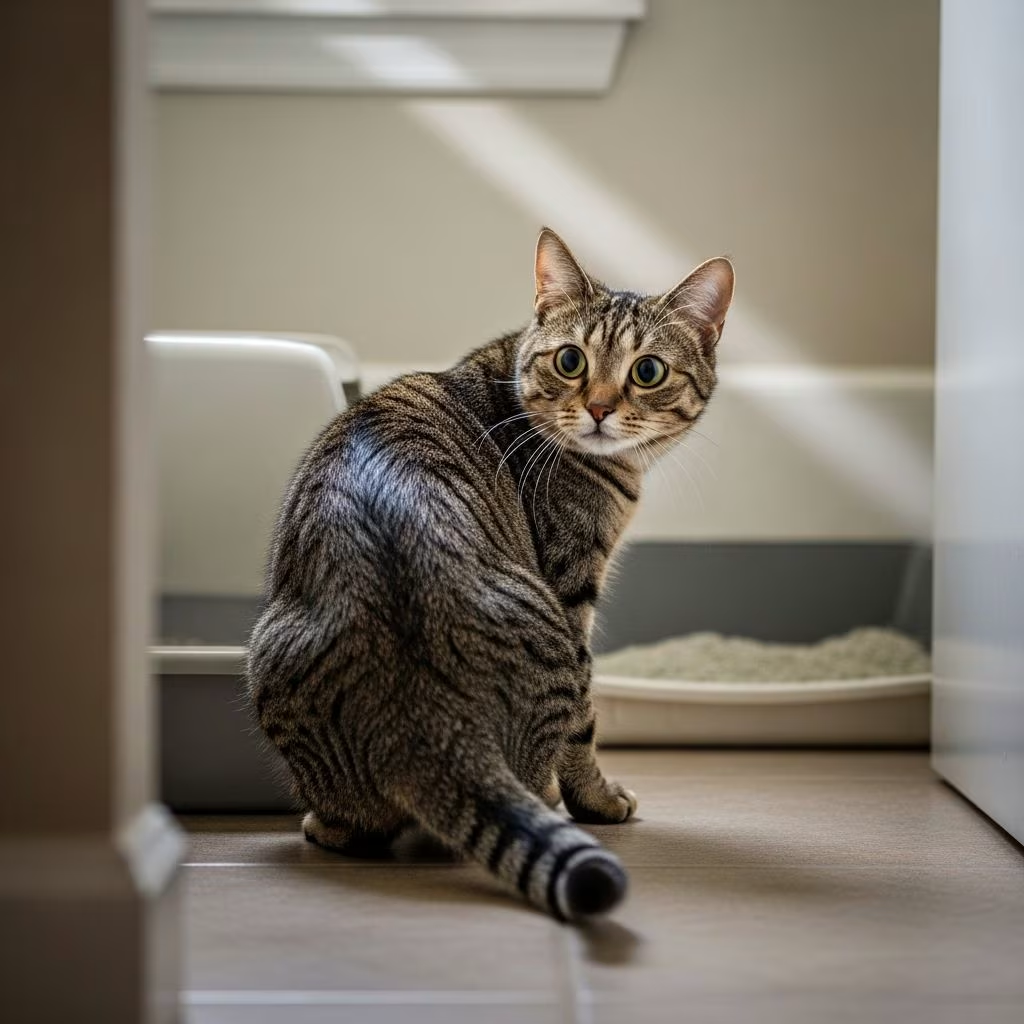
When a cat begins eliminating outside its designated litter box, it signals an underlying issue that requires prompt attention. This behavior, while frustrating for owners, often stems from medical conditions, environmental factors, or unmet preferences. Addressing it systematically can restore normal habits and prevent household messes.
Recognizing the Signs of Litter Box Avoidance
Cats instinctively seek private spots for elimination, so deviations like urine spraying on walls, feces on floors, or puddles near the box indicate discomfort. Track patterns: Is it urine only, feces only, or both? Note locations—vertical surfaces suggest marking, while horizontal spots mimic box use. Sudden onset points to health problems, while gradual changes may relate to stress.
- Urine in small, frequent puddles: Possible urinary issues.
- Large feces deposits away from box: Digestive or mobility concerns.
- Spraying on furniture: Territorial stress, especially in unneutered cats.
- Partial box use: Aversion to current setup.
Monitor for accompanying symptoms like straining, blood in urine, lethargy, or appetite loss to prioritize veterinary care.
Medical Reasons Behind Litter Box Rejection
Health issues top the list of causes for litter box avoidance, as pain or discomfort during elimination drives cats to seek alternatives. Urinary tract infections (UTIs), bladder stones, kidney disease, constipation, and feline idiopathic cystitis (FIC) make box use agonizing.
For older cats, arthritis hinders entry into high-sided boxes, while diabetes or hyperthyroidism increases urination frequency, overwhelming unclean boxes. Gastrointestinal diseases, nerve damage, or even upper respiratory infections can indirectly affect habits by causing nausea or weakness.
| Condition | Symptoms | Action |
|---|---|---|
| UTI or FIC | Frequent small urinations, straining, blood | Vet exam, antibiotics, pain relief |
| Bladder/Kidney Stones | Bloody urine, vomiting | Imaging, diet change, surgery if needed |
| Arthritis (Seniors) | Limping, reluctance to jump | Low-entry boxes, joint supplements |
| Constipation | Straining, small/hard feces | Laxatives, high-fiber diet |
Always consult a veterinarian first to rule out these, as behavioral fixes fail without medical resolution.
Environmental Stress and Household Disruptions
Stress triggers litter avoidance even in healthy cats. Changes like new pets, babies, moves, renovations, or routine shifts (e.g., owner returning to office) heighten anxiety, leading to inappropriate elimination as a coping mechanism.
In multi-cat homes, inter-cat aggression or bullying over boxes exacerbates this—one cat may block access, causing others to go elsewhere. Signs include hiding, vocal changes, appetite dips, or altered sleep spots.
Solutions involve creating calm zones: Provide separate spaces with food, water, and boxes for each cat. Use pheromone diffusers (e.g., Feliway) to mimic calming scents. Increase play and affection to rebuild security, and maintain routines.
Optimizing Litter Box Setup for Success
A poorly designed or placed litter box repels cats. Ideal setup: One box per cat plus one extra, scattered across quiet, accessible areas away from food, noise (e.g., washers), or high-traffic zones.
Cleanliness is paramount—scoop daily, deep-clean weekly with mild soap to remove residues. Cats shun soiled boxes, preferring fresh substrates; in groups, waste buildup (not just odor) deters use.
- Size: Larger boxes (1.5x cat length) with 3-4 inch litter depth for digging.
- Type: Uncovered for most; test covered for shy cats. Low sides for seniors/kittens.
- Litter: Fine-clumping, unscented preferred; transition gradually if switching.
- Location: Low-traffic, stable surfaces; multiple floors in big homes.
Test preferences by offering options and observing choices. Automatic self-cleaning boxes maintain hygiene but introduce slowly to avoid fear.
Strategies for Multi-Cat Households
With multiple cats, competition intensifies issues. Follow the n+1 rule (cats + one box), placing them far apart to prevent territorial claims. Monitor for bullying—subtle stares or blocks cause stress.
Enhance appeal: Use different litters in boxes to let cats self-select. Vertical space like cat trees reduces conflicts. If one cat dominates, temporary separation with individual zones helps reestablish habits.
Step-by-Step Troubleshooting Guide
- Vet Check: Rule out illness with urinalysis, bloodwork.
- Clean Thoroughly: Empty, wash box, refill with preferred litter.
- Adjust Setup: Add boxes, relocate to quiet spots, ensure easy access.
- Reduce Stress: Pheromones, play, stable routines.
- Positive Reinforcement: Clean accidents with enzymatic cleaners; never punish.
- Monitor Progress: Track for 1-2 weeks; consult behaviorist if persistent.
Enzymatic cleaners neutralize odors, preventing re-marking. Avoid ammonia-based products, as they mimic urine.
Special Considerations for Kittens, Seniors, and Rescues
Kittens may lack training—confine to a small area with box until consistent. Seniors benefit from ramps, low boxes, or pee pads nearby. Rescued cats often carry aversions from past trauma; patience and options rebuild trust.
For declawed cats, soft litter prevents paw pain. Pregnant or obese cats need spacious, low-entry designs.
Preventing Future Litter Box Problems
Proactive measures keep habits solid: Regular vet checkups catch issues early. Maintain one extra box, scoop religiously, and avoid sudden changes. Spay/neuter reduces marking. Enrichment like scratching posts and windows cuts stress.
Frequently Asked Questions (FAQs)
Why does my cat pee next to the litter box?
Often due to box aversion (dirty, wrong litter) or medical pain causing poor aim. Clean/setup tweaks usually fix it.
How long to retrain a cat to the litter box?
With vet clearance and optimal setup, 3-7 days; stress cases may take weeks. Consistency is key.
Is it okay to use two litter types?
Yes, offering choices helps picky cats select preferences, improving compliance.
What if my cat only poops outside the box?
Check for constipation or large-box aversion; high-fiber diet and bigger boxes help.
Can automatic litter boxes solve avoidance?
They excel at cleanliness but test for noise/motion fears; ramps aid seniors.
Long-Term Management and When to Seek Pros
If DIY fails after two weeks, enlist a veterinary behaviorist. Chronic cases may need meds for anxiety or FIC. Track with apps or journals for patterns to share with experts.
Understanding your cat’s needs fosters harmony. Most issues resolve with diligence, leading to a stress-free home.
References
- Cat Not Using the Litter Box? Causes & Solutions — Purina. 2023. https://www.purina.com/articles/cat/behavior/litter/why-cat-not-using-litter-box
- Why Is My Cat Not Using The Litter Box — Litter-Robot (YouTube, Dr. Anna Foster). 2025-07-01. https://www.youtube.com/watch?v=976plMDLRC4
- Solving Litterbox Issues — Wisconsin Humane Society. 2024. https://www.wihumane.org/behavior/ask-the-experts/cat-behavior/solving-litterbox-problems
- What to do if Your Cats are Not Using the Litter Box — Arm & Hammer. 2023. https://www.armandhammer.com/en/articles/cats-not-using-the-litter-box
- Litter Box Problems — ASPCA. 2024. https://www.aspca.org/pet-care/cat-care/common-cat-behavior-issues/litter-box-problems



