

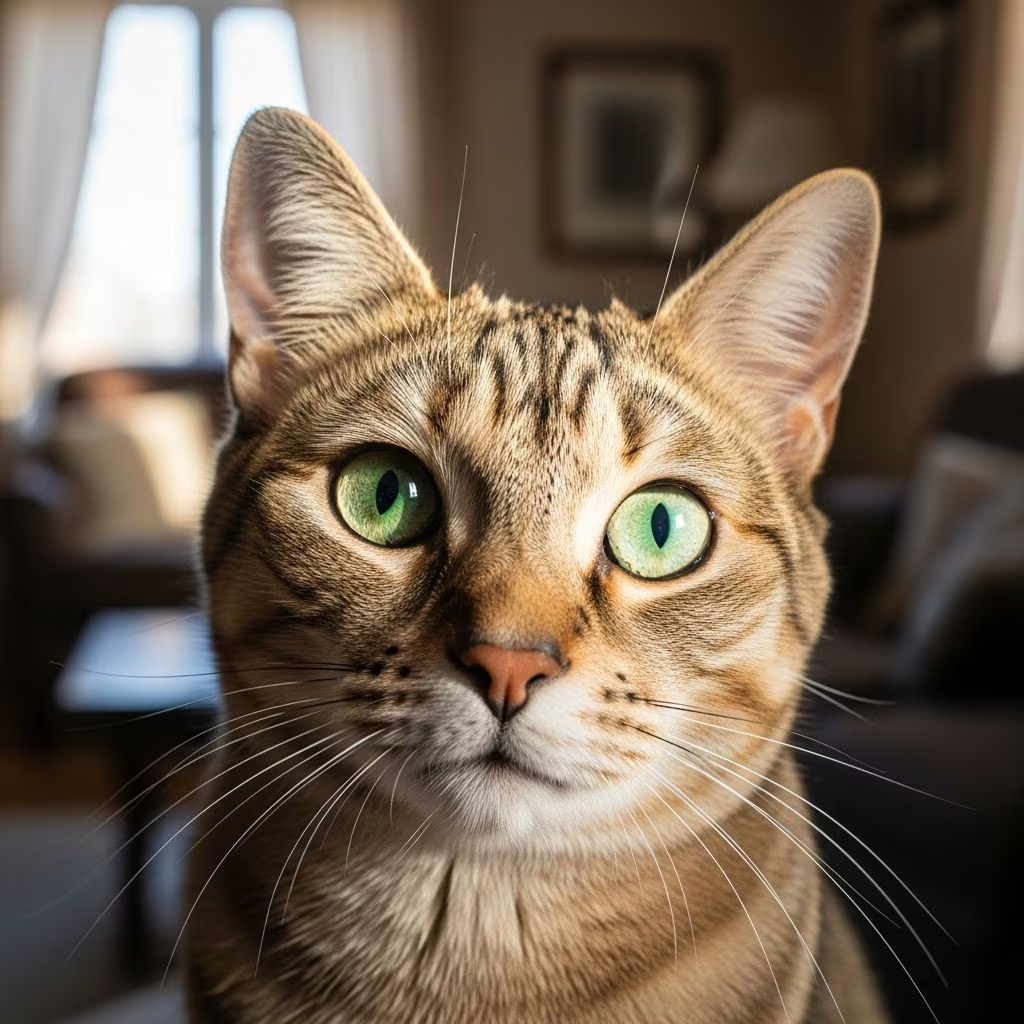
Cats thrive with 20-40 minutes of focused daily interaction, adjusted for their life stage, personality, and health status. This engagement fosters emotional security, physical activity, and behavioral health, preventing issues like stress or aggression.
Why Cats Crave Owner Interaction
Despite their reputation for independence, domestic cats form strong attachments to humans, seeking companionship for comfort and stimulation. Regular interaction mimics social grooming and hunting in wild felines, supporting mental sharpness and reducing anxiety. Neglect can trigger stress hormones, leading to health declines.
Quality matters more than quantity: brief, engaging sessions outperform passive presence. Owners who respond promptly to cues build trust, enhancing the human-feline relationship.
Factors Shaping Attention Requirements
Individual needs vary widely. Understanding these helps customize care.
Life Stage Variations
- Kittens (under 1 year): Demand 1-2 hours daily due to high energy and socialization needs. Play builds coordination and confidence.
- Adults (1-7 years): Require 20-30 minutes, focusing on play and affection to maintain fitness.
- Seniors (8+ years): Need 30-45 minutes, often gentler like brushing or lap time, as mobility wanes.
Breed Temperaments
Some breeds are naturally more social. Siamese and Bengals vocalize for engagement, while Persians prefer quiet companionship. Observe your cat’s baseline to gauge needs.
Health and Wellness Impact
Ill or recovering cats seek extra reassurance. Conditions like arthritis demand assisted grooming; chronic issues like diabetes require monitoring and comfort. Sudden changes signal vet visits.
| Factor | Low Attention Need | High Attention Need |
|---|---|---|
| Age | Healthy adult | Kitten or senior |
| Breed | Independent like Russian Blue | Social like Abyssinian |
| Health | Fully fit | Post-surgery or chronic illness |
Recognizing Attention Deficits
Cats communicate unmet needs subtly at first, then overtly. Early intervention averts problems.
- Vocal Signals: Persistent meowing or chirping, escalating in volume.
- Physical Demands: Rubbing, head-butting, or pawing for pets.
- Blocking Tactics: Lying on keyboards, books, or laps to interrupt activities.
- Shadowing: Trailing owners room-to-room or waiting by doors.
- Extreme Reactions: Scratching furniture, aggression, or litter avoidance from frustration.
Overgrooming or excessive sleeping indicates deeper distress. Track patterns over days; consult vets if persistent.
Effective Interaction Strategies
Tailor activities to preferences for maximum benefit.
Play-Based Engagement
15-20 minutes twice daily with toys like feather wands or balls mimics hunting. End with treats to simulate success, boosting satisfaction.
Affection Routines
- Pet favored spots: cheeks, base of tail.
- Brush for grooming help, especially seniors.
- Quiet lap sessions for bonding.
Environmental Enrichment
Supplement interaction with perches, puzzles, and windows. Rotate toys to sustain interest, reducing boredom.
Building Lasting Bonds
Consistency reinforces security. Fixed playtimes signal reliability. Use pheromone diffusers for anxious cats. Multi-cat homes need individual time to avoid rivalry.
Monitor responses: enthusiastic purring means success; avoidance suggests overstimulation—respect boundaries.
Daily Care Integration
Weave attention into routines: play before meals, groom during TV time. Weekly weigh-ins and monthly health checks catch issues early.
Frequently Asked Questions
How much playtime suffices for most cats?
20-30 minutes split into sessions prevents fatigue while expending energy.
Do all cats like being picked up?
No—many prefer horizontal pets. Learn cues like tail flicks for discomfort.
Can too much attention harm cats?
Yes, it can foster separation anxiety. Balance with independence opportunities.
What if my cat ignores me?
They may be content or unwell. Vet check first, then try new toys.
How does multi-pet living affect needs?
Companion cats meet some needs, but owners must ensure equitable attention.
Long-Term Benefits of Proper Care
Attuned owners report calmer, longer-lived cats. Strong bonds enrich lives mutually, turning felines into devoted companions.
References
- How Much Attention Does a Cat Need? Vet-Reviewed Facts — Catster. 2024. https://www.catster.com/cat-health-care/how-much-attention-does-a-cat-need/
- How Much Attention Do Cats Need? A Vet Explains — Cats.com. 2024. https://cats.com/how-much-attention-do-cats-need
- How Your Needy Cat Shows She Wants Attention — Hill’s Pet Nutrition. 2024. https://www.hillspet.com/cat-care/behavior-appearance/needy-cat-seeking-attention
- Cat Care Essentials — Slaton Veterinary Hospital. 2024. https://www.slatonvet.com/cat-care-essentials-thousand-oaks-vet/
- Feline Behavior Guidelines — American Association of Feline Practitioners (AAFP). 2024-01. https://catvets.com/wp-content/uploads/2024/01/FelineBehaviorGLS.pdf



