

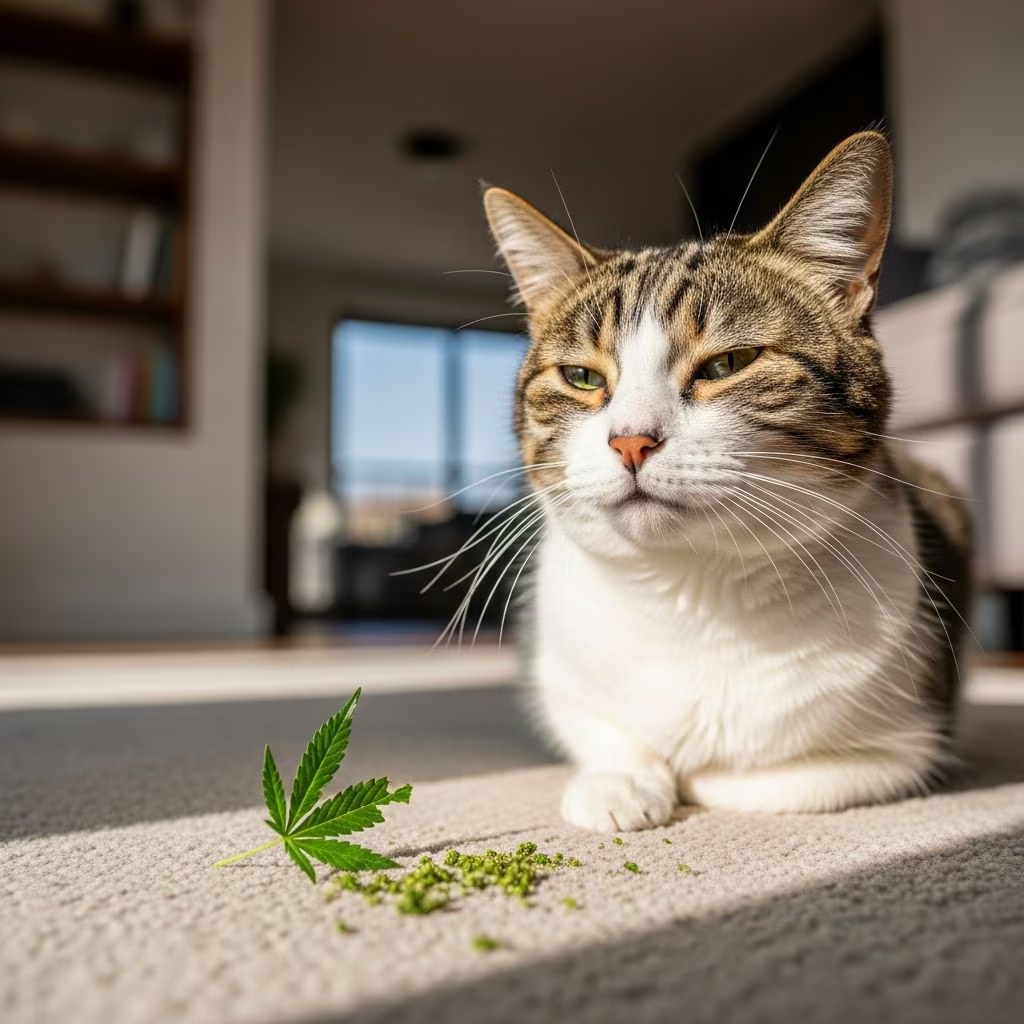
Accidental marijuana exposure poses serious risks to cats due to their sensitivity to THC, the psychoactive compound in cannabis. Symptoms can emerge rapidly and lead to dangerous complications if untreated. Prompt veterinary intervention is essential for recovery.
Understanding Feline Vulnerability to Cannabis
Cats possess fewer CB1 receptors in their endocannabinoid system compared to dogs or humans, yet THC binds more potently, amplifying toxic effects. Even small amounts from edibles, buds, or secondhand smoke can trigger severe reactions. With legalization increasing household access, incidents have risen sharply among pets.
Edibles concentrate THC in fats, which cats metabolize slowly, prolonging intoxication up to 72 hours. Inhalation via vaporizers or smoke delivers quicker onset but similar outcomes. Prevention starts with securing all cannabis products away from curious felines.
Recognizing Early Warning Signs
Clinical manifestations typically appear 30-90 minutes post-exposure, varying by dose and form. Initial neurological changes signal the need for action.
- Coordination loss: Stumbling, wobbling, or inability to jump, mimicking drunkenness.
- Altered mental state: Extreme lethargy, depression, or sudden hyperactivity with vocalizing.
- Physical indicators: Dilated pupils, glassy eyes, excessive drooling, or urinary incontinence.
Monitor vital signs: slowed heart rate, low body temperature (hypothermia), and respiratory depression heighten risks. Cats may hide or become hypersensitive to stimuli.
Escalating to Severe Symptoms
Higher doses provoke critical issues requiring hospitalization. Watch for these red flags:
| Symptom | Description | Potential Risks |
|---|---|---|
| Vomiting/Diarrhea | Persistent expulsion with dehydration | Aspiration pneumonia |
| Tremors/Seizures | Uncontrolled shaking or convulsions | Brain damage, status epilepticus |
| Coma | Unresponsiveness, shallow breathing | Respiratory failure, death |
| Bradycardia | Heart rate below 100 bpm in cats | Cardiovascular collapse |
These demand immediate emergency care; delays worsen prognosis.
Immediate Response Protocol
Do not induce vomiting at home—marijuana’s anti-emetic properties increase aspiration hazards, and cats resist easily.
- Remove access to cannabis remnants and confine to a quiet, padded area to prevent injury.
- Contact a veterinarian or pet poison hotline (e.g., ASPCA at 888-426-4435) with details on amount, form, and timing.
- Rush to the nearest animal hospital; transport safely without stressing the cat.
Honesty about exposure aids precise treatment; stigma-free care prioritizes pet welfare.
Veterinary Diagnostic Approach
Vets confirm toxicity via history, symptoms, and ruling out mimics like hypoglycemia or toxins (e.g., xylitol, rodenticides). Bloodwork assesses electrolytes, kidney function, and THC levels if available. ECG monitors cardiac effects.
Differentials include:
- Trauma-induced ataxia
- Metabolic disorders
- Other intoxicants
Core Treatment Strategies
No THC antidote exists; care focuses on support until metabolism clears the toxin (18-72 hours).
- Decontamination: Activated charcoal every 6-8 hours binds THC if within 1-2 hours of ingestion. Gastric lavage for massive doses.
- Fluid therapy: IV crystalloids combat dehydration, stabilize blood pressure.
- Symptomatic relief: Antiemetics (maropitant), muscle relaxants, anticonvulsants (diazepam).
- Advanced options: Intralipid emulsion sequesters THC from tissues; ventilation for coma.
Thermoregulation via warming blankets prevents hypothermia. Most cats recover fully with timely intervention.
Prognosis and Recovery Timeline
Mild cases resolve in 24-48 hours with outpatient care; severe ones need 3-5 days inpatient. Full recovery is common barring complications like pneumonia.
Post-discharge: Offer bland diet, monitor elimination, restrict activity. Reintroduce normal food gradually.
Prevention Best Practices
Store cannabis securely in locked cabinets or high shelves. Avoid smoking near pets; ventilate areas. Educate household members on risks, especially with edibles mistaken for treats.
- Use pet-proof containers for all forms.
- Dispose of paraphernalia promptly.
- Supervise during visits from cannabis users.
Legal and Household Considerations
In legalized regions, veterinary reporting varies; focus remains on treatment. Discuss CBD products cautiously—unregulated feline doses risk similar toxicity.
Frequently Asked Questions
Can cats die from eating marijuana?
Deaths are rare but possible from respiratory arrest, seizures, or aspiration in untreated severe cases. Most survive with vet care.
Is secondhand smoke harmful to cats?
Yes, inhalation causes rapid onset symptoms; keep pets out of smoke zones.
What if my cat ate a THC gummy?
Edibles are highly dangerous due to concentration; seek emergency care immediately.
How much marijuana is toxic to cats?
No safe dose; even trace amounts (2-3 mg/kg THC) can intoxicate. Cats weigh less, amplifying effects.
Should I wait for symptoms to pass?
No—early intervention shortens duration and prevents escalation.
References
- Marijuana Poisoning in Pets: Q&A — Total Veterinary Care. 2023. https://www.totalveterinarycare.com/blog/marijuana-poisoning-in-pets-qa/
- Is Marijuana Bad for Cats? — PetMD. 2024. https://www.petmd.com/cat/general-health/marijuana-bad-cats
- Marijuana Toxicity in Pets — Animal Specialty & Emergency Center of Brevard. 2023. https://www.animalspecialtyemergencycenter.com/pet-parents/medical-briefs-and-information/marijuana-toxicity-in-pets
- Marijuana Toxicosis in Pets — Cummings School of Veterinary Medicine at Tufts University. 2024. https://vet.tufts.edu/news-events/news/marijuana-toxicosis-pets
- Cannabis (Marijuana) Intoxication in Cats and Dogs — VCA Animal Hospitals. 2024. https://vcahospitals.com/know-your-pet/marijuana-intoxication-in-dogs-and-cats
- Pets on Pot: Therapeutic or Toxic — MSPCA-Angell. 2023. https://www.mspca.org/angell_services/pets-on-pot-therapeutic-or-toxic/



