

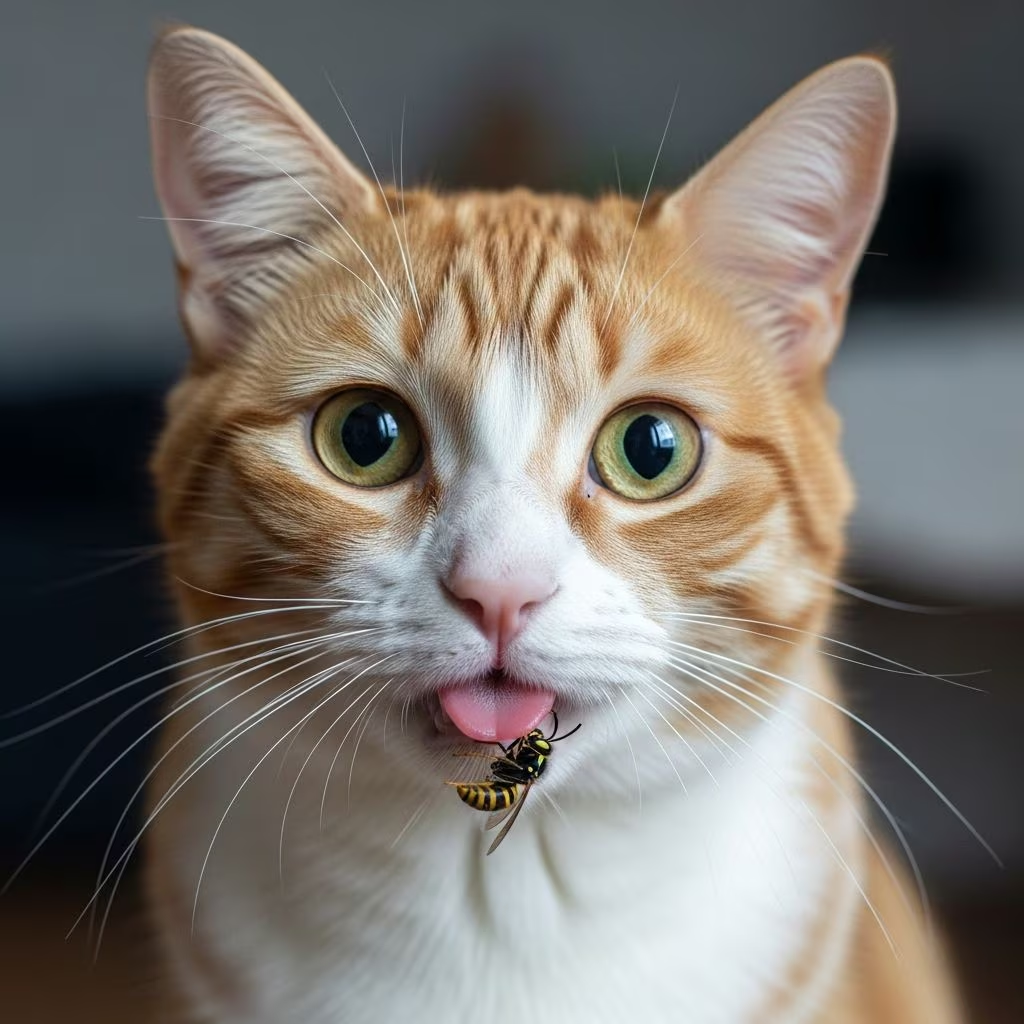
Many cat owners experience the unsettling moment when their curious feline encounters a flying insect, only to swallow it whole. While the thought of your cat eating a wasp may cause immediate alarm, understanding what actually happens in this scenario can help you respond appropriately and keep your pet safe. This guide explores the physiological process, potential complications, and actionable steps you should take if your cat ingests a wasp.
Understanding Feline Digestive Protection Against Insects
The good news is that cats possess natural protective mechanisms in their digestive systems. When a cat swallows a wasp without being stung in the mouth or throat, the insect typically passes through the stomach and intestines relatively harmlessly. Gastric acid in the cat’s stomach serves as a protective barrier, breaking down the insect’s exoskeleton and neutralizing any residual venom before it can cause systemic harm.
However, this protective mechanism only applies when the wasp is swallowed whole without inflicting a sting during ingestion. The location and manner of the insect encounter determine whether your cat faces serious medical consequences. Understanding this distinction is crucial for determining whether a home observation period is appropriate or if emergency veterinary care is necessary.
The Difference Between Wasp Consumption and Wasp Stings
When evaluating your cat’s situation, it’s important to distinguish between two different scenarios: a cat that simply swallows a wasp without incident, and a cat that gets stung by a wasp during the ingestion process.
- Wasp Ingestion Without Stinging: If your cat swallows a wasp that doesn’t sting inside the mouth or throat, mild gastrointestinal upset may develop, including vomiting and diarrhea. These symptoms typically resolve within a few hours without intervention.
- Stung During Ingestion: If the wasp stings your cat’s mouth, throat, or esophagus during swallowing, this creates a more serious medical situation requiring immediate attention.
- Multiple Exposure: If your cat encounters multiple wasps or has been stung several times, the risk of severe allergic reactions increases substantially.
Recognizing Immediate Symptoms Following Wasp Consumption
After your cat has consumed or been stung by a wasp, monitor closely for both minor and severe symptoms. The timeframe for symptom development varies depending on the type of reaction occurring.
Minor Reaction Indicators
Most cats experience only localized, mild reactions that resolve independently. These symptoms typically appear within minutes to hours after the incident:
- Mild swelling around the mouth or face
- Temporary drooling or difficulty swallowing
- Slight irritation causing the cat to paw at the mouth
- Mild gastrointestinal upset, including loose stools or one episode of vomiting
- Reduced appetite for a single meal
These mild responses generally resolve completely within 24 to 48 hours without requiring veterinary intervention beyond monitoring at home.
Severe Reaction Warning Signs
Anaphylactic reactions and severe allergic responses represent medical emergencies. These reactions typically develop rapidly, often within 30 to 60 minutes, though delayed reactions can occur hours after the initial incident. Watch for these critical warning signs:
- Excessive facial or throat swelling that appears to worsen
- Difficulty breathing, panting, wheezing, or respiratory distress
- Vomiting or persistent diarrhea
- Excessive drooling that continues beyond initial reaction
- Pale or white gums indicating circulatory compromise
- Collapse, loss of consciousness, or inability to stand
- Seizure activity or tremors
- Disorientation, stumbling, or lack of coordination
- Extreme agitation or vocalization indicating severe distress
- Abnormal heart rate that is either extremely rapid or unusually slow
Any of these symptoms requires immediate emergency veterinary care. Do not wait to see if symptoms resolve on their own if your cat displays any of these warning signs.
Initial Home Response Protocol
If your cat has consumed a wasp but is not displaying severe symptoms, you can implement several immediate care measures while monitoring closely.
Step-by-Step First Response
- Remain Calm: Your cat will sense your anxiety, which can increase their stress and potentially worsen symptoms. Take a deep breath and assess the situation systematically.
- Inspect the Mouth: Gently check inside your cat’s mouth for any remaining insect parts or visible stings. If you can see a stinger (which is rare with wasps), do not squeeze it. Wasps do not typically leave stingers behind like bees do.
- Provide Fresh Water: Offer your cat fresh, cool water to drink. This helps with hydration and may provide comfort.
- Apply Cooling Relief: If you can access the sting site and your cat permits, apply a cold compress or cool washcloth to reduce any swelling for 10 to 15 minutes.
- Create a Comfortable Space: Allow your cat to rest in a quiet, comfortable area where you can observe them easily without stressing them further.
- Monitor Continuously: Watch your cat closely for the next 24 hours, noting any changes in behavior, appetite, breathing, or physical symptoms.
Dietary Considerations During Recovery
If your cat was stung in the mouth or throat and experiences difficulty eating, provide soft or moistened food rather than dry kibble. Dry food softened with water is preferable to canned food for cats with mild gastrointestinal sensitivity. Small, frequent meals may be better tolerated than regular portions.
When Professional Veterinary Care Becomes Necessary
Certain situations demand immediate professional evaluation, even if symptoms seem mild or manageable. Contact your veterinarian or emergency veterinary clinic if any of the following apply:
- Your cat was stung in the mouth, throat, or multiple times
- Swelling in the face or throat area continues to increase rather than stabilize
- Your cat displays any signs of anaphylaxis listed above
- Symptoms persist or worsen beyond the 24-hour mark
- Your cat shows signs of severe distress or extreme irritation from the sting site
- Vomiting and diarrhea develop or continue
- Your cat has a known history of severe allergic reactions to insect stings
- You are uncertain whether your cat was stung or simply swallowed the insect
Veterinary Treatment Options
When you bring your cat to a veterinary clinic, the treatment approach depends on the severity of the reaction and the symptoms your cat is displaying.
Mild to Moderate Reaction Treatment
For cats experiencing localized swelling, irritation, or mild systemic symptoms, veterinarians typically prescribe:
- Antihistamines to reduce allergic response and itching
- Anti-inflammatory medications, including corticosteroids, to minimize swelling
- Pain management if needed
Many cats with mild reactions can be treated on an outpatient basis and recover fully within 24 to 48 hours with medication.
Severe Allergic Reaction Emergency Treatment
Cats experiencing anaphylactic reactions require intensive emergency intervention:
- Intravenous fluid administration to maintain blood pressure and hydration
- Oxygen therapy or intubation if breathing is severely compromised
- Injectable medications to counteract the allergic response and stabilize vital functions
- Continuous cardiac monitoring throughout treatment
- Hospitalization and observation for a minimum of 2 to 3 days
- Additional medications to manage blood pressure, heart rate, and other vital functions
Understanding Allergen Sensitivity in Cats
Not all cats react identically to wasp stings or ingestion. Individual variation exists based on prior exposure, genetic predisposition, and overall immune system function. Some cats may experience severe reactions to a single sting, while others tolerate multiple stings with minimal symptoms.
Cats with a known history of allergic reactions to insect stings are at elevated risk for anaphylactic response with future encounters. If your cat has previously experienced a severe reaction to any insect sting, inform your veterinarian, as preventive measures or emergency medications may be recommended.
Recovery Expectations and Timeline
Most cats that receive appropriate care recover fully from wasp consumption or stings. Recovery timelines vary based on reaction severity:
- Mild Reactions: Complete resolution within 24 to 48 hours with minimal or no treatment
- Moderate Reactions: Recovery within 3 to 5 days with veterinary medication
- Severe Anaphylactic Reactions: Several days to a week, even with intensive emergency care; recovery requires close veterinary monitoring
After emergency treatment for anaphylaxis, symptoms may continue resolving for several days, and your cat may require follow-up appointments to ensure complete recovery.
Prevention Strategies for Future Incidents
While you cannot eliminate all insect encounters, several strategies reduce the likelihood of your cat consuming or being stung by wasps:
- Supervise outdoor time when wasps are most active (late spring through early autumn)
- Remove or avoid areas with known wasp nests on your property
- Keep garbage secured, as it attracts wasps and other insects
- Avoid leaving pet food outdoors, which can draw wasps
- Consider indoor-only housing for cats with known insect sensitivities
- Work with a pest control professional if wasps are a recurring problem on your property
Important Medication and Safety Notes
Never give your cat over-the-counter medications without veterinary guidance. Human medications, including common antihistamines like Benadryl, can be toxic to cats or require specialized dosing. Always consult your veterinarian before administering any medication, even for home care of mild reactions.
Frequently Asked Questions
- Can a wasp sting my cat if it’s already been swallowed?
- Yes. If your cat attempts to eat a live wasp, the insect can sting inside the mouth or throat during the process of being swallowed. This is why stings in these areas are particularly concerning.
- How long after swallowing a wasp might symptoms appear?
- Mild symptoms may appear within minutes to hours. Severe allergic reactions typically develop within 30 to 60 minutes, though delayed reactions can occur up to 24 hours later.
- Is it normal for my cat to vomit after eating a wasp?
- Mild vomiting can be normal as the stomach responds to the foreign insect. However, persistent or severe vomiting warrants veterinary evaluation.
- Should I induce vomiting if my cat just ate a wasp?
- No. Inducing vomiting can cause additional injury, particularly if a sting occurs in the throat or mouth during the vomiting process. Allow the digestive system to process the insect naturally.
- What’s the difference between a bee sting and wasp sting in cats?
- Bees leave their stingers embedded in the skin, while wasps retain their stingers and can sting repeatedly. Both can cause similar reactions in cats.
- Can my cat become allergic to wasps after one sting?
- Yes. Allergic sensitization can occur after a single exposure, making a second exposure more likely to trigger a severe reaction. This is why prior history is important.
References
- Bee and Wasp Stings in Cats — Joii Pet Care. 2024. https://www.joiipetcare.com/blogs/health-conditions/bee-and-wasp-stings-in-cats
- Cat Stung by Bee or Wasp: What You Need to Know — Hill’s Pet Nutrition. 2024. https://www.hillspet.com/cat-care/healthcare/cat-gets-stung-by-bee-wasp
- Bee or Wasp Stings in Cats — Cats Protection. 2024. https://www.cats.org.uk/cats-blog/bee-or-wasp-stings-in-cats
- First Aid for Insect Stings in Cats — VCA Animal Hospitals. 2024. https://vcahospitals.com/know-your-pet/first-aid-for-insect-stings-in-cats
- Pet Emergency: Bee or Wasp Sting Treatment Guide — NMS Pet Emergency. 2024. https://nmspetemergency.com/what-to-do-if-your-pet-gets-stung-by-a-bee-or-wasp-emergency-care-tips/
- Anaphylaxis in Cats — PetMD. 2024. https://www.petmd.com/cat/conditions/respiratory/c_ct_anaphylaxis



