

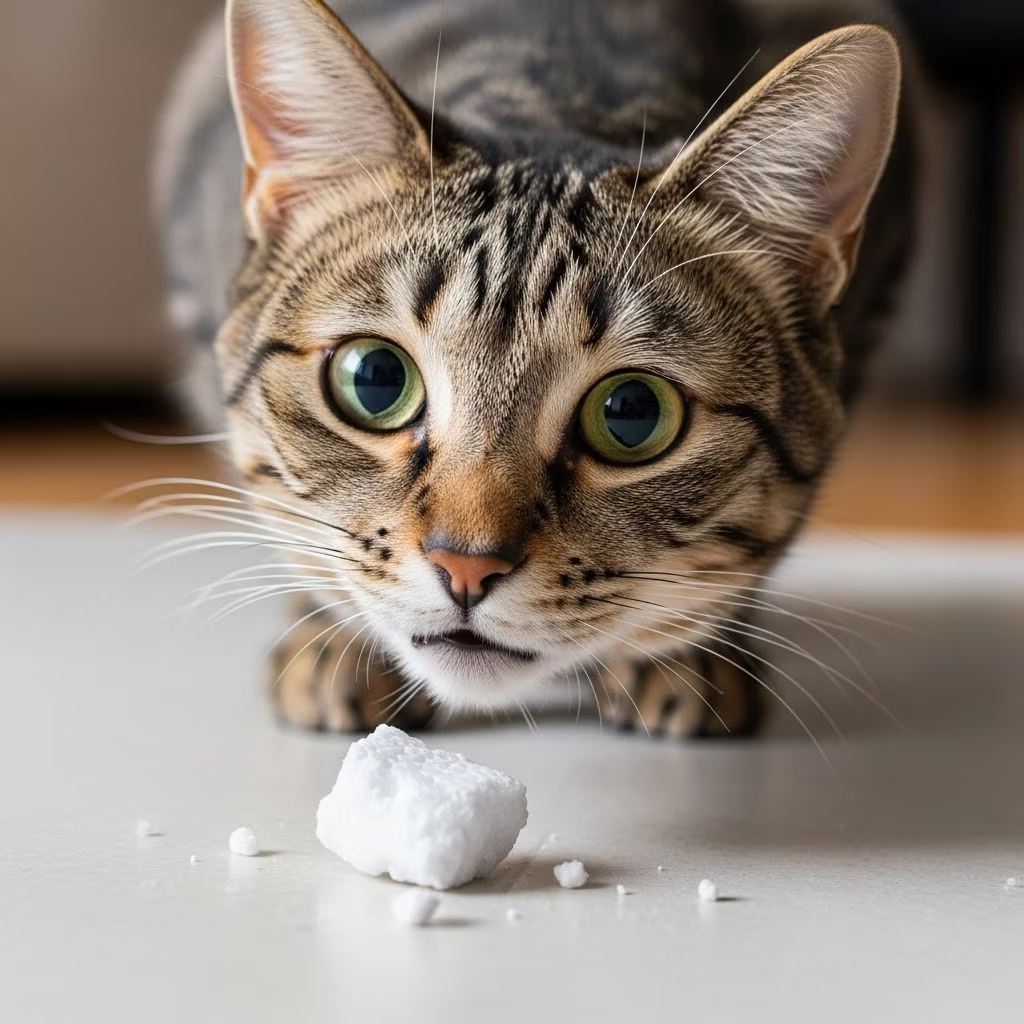
Cats are naturally curious creatures, often exploring their environment with their mouths. Styrofoam, a common packaging material made from expanded polystyrene, can attract their attention due to its light weight and texture. Unfortunately, if your cat has eaten Styrofoam, it poses significant health risks that require immediate attention. This article provides veterinary insights into the dangers, symptoms, immediate actions, treatment options, and prevention strategies to help you protect your feline friend.
Dangers of a Cat Eating Styrofoam
The primary hazard of Styrofoam ingestion in cats is the potential for gastrointestinal obstruction. Styrofoam does not break down easily in the digestive system, and pieces can form a blockage in the stomach or intestines. Partial blockages may lead to symptoms like vomiting and diarrhea, while complete blockages are surgical emergencies that can be fatal if untreated.
According to veterinary experts, foreign body obstructions are a common life-threatening issue in cats. The material’s inability to be digested means it can swell or bunch up, compromising blood flow to intestinal tissues and leading to necrosis if not addressed promptly.
Beyond blockages, there’s a risk of aspiration if a cat inhales small Styrofoam particles while playing. This can obstruct airways, causing respiratory distress or suffocation, necessitating immediate intervention.
While Styrofoam itself is not typically toxic, some variants contain chemicals like styrene monomers or flame retardants that may irritate the mouth, esophagus, or stomach lining. This irritation can cause excessive salivation, drooling, or vomiting. In rare cases of large ingestion, toxicity could occur, prompting vets to recommend blood tests for confirmation.
Other potential complications include dehydration from prolonged vomiting or diarrhea, electrolyte imbalances, and secondary bacterial infections in the gut. Kittens, senior cats, or those with pre-existing conditions are at higher risk, as their systems are less resilient.
Statistics from veterinary hospitals indicate that foreign body ingestions account for a notable portion of emergency surgeries in cats, with outcomes improving significantly when caught early.
My Cat Ate Styrofoam – What Do I Do?
Acting swiftly is crucial if you suspect Styrofoam ingestion. Follow these step-by-step guidelines to minimize harm:
- Check breathing first: Ensure your cat is breathing normally and shows no signs of choking or respiratory distress. Look for labored breathing, coughing, or blue gums, which indicate airway obstruction. If present, call emergency services immediately.
- Prevent further ingestion: Isolate your cat in a safe room and remove all Styrofoam sources from the environment. Keep other pets away to avoid similar incidents.
- Contact your veterinarian: Call right away, providing details like the estimated amount ingested, Styrofoam type (e.g., packing peanuts, cups), time of ingestion, and any symptoms. Even if your cat seems fine, professional advice is essential.
- Monitor closely: Watch for vomiting, diarrhea, lethargy, loss of appetite, abdominal pain (hunching, tenderness), or straining to defecate. Note stool changes to track passage.
- Avoid home remedies: Do not induce vomiting, as this can worsen blockages or cause aspiration. Skip laxatives or oils without vet approval.
If access to a vet is delayed, services like online veterinary consultations can provide initial guidance, but they are not substitutes for in-person care. Prepare for a possible vet visit by noting your cat’s history and symptoms.
Symptoms of Styrofoam Ingestion in Cats
Early detection of symptoms can be lifesaving. Common signs include:
- Vomiting (especially repeated or containing foam/blood)
- Diarrhea or constipation
- Lethargy or weakness
- Loss of appetite (anorexia)
- Abdominal pain or distension
- Excessive drooling or pawing at the mouth
- Dehydration (sunken eyes, dry gums)
- Behavioral changes like hiding or aggression when touched
These mirror general foreign body ingestion symptoms, where gastrointestinal distress predominates. If symptoms escalate, such as no bowel movements for 48 hours or severe pain, treat as an emergency.
Veterinary Diagnosis and Treatment
At the clinic, expect a thorough exam including:
| Diagnostic Method | Purpose |
|---|---|
| Physical exam and history | Assess dehydration, pain, and ingestion details |
| X-rays or ultrasound | Visualize blockage location and severity |
| Blood tests | Check for toxicity, infection, or organ stress |
| Fecal analysis | Confirm passage or obstruction |
Treatment varies by severity:
- Monitoring: For small amounts, hospitalization with IV fluids, anti-nausea meds, and serial x-rays to track progress. Most pass within 10-24 hours, but up to days.
- Medical management: Prokinetics to aid movement, enemas if needed.
- Surgery: Exploratory laparotomy to remove blockage if confirmed. Prognosis is good if addressed within hours; delays risk tissue death.
Post-treatment, cats often recover fully with rest, bland diets, and follow-ups.
How Long Does It Take to Pass a Blockage?
Non-obstructing Styrofoam typically passes in 10-24 hours but can take 48-72 hours. Monitor stools daily; if no passage and symptoms appear, seek re-evaluation. Factors like piece size, cat’s motility, and hydration affect transit time. Vets may advise laxatives only if safe.
Prevention Tips for Curious Cats
Proactive steps reduce risks:
- Store packaging securely out of reach.
- Supervise playtime; provide safe toys.
- Use cat-proof trash bins.
- Train with redirection and positive reinforcement.
- Regular vet check-ups for early issue detection.
Educating household members on hazards ensures a safer home.
Frequently Asked Questions (FAQs)
What happens if a cat eats Styrofoam?
It risks gut blockage, causing vomiting, lethargy, and dehydration. Contact a vet immediately for life-threatening potential.
Will my cat be okay if they ate Styrofoam?
Many pass small amounts fine, but illness requires diagnostics like x-rays, fluids, or surgery. Early vet care improves outcomes.
Is Styrofoam poisonous to cats?
Not typically toxic, but chemicals may irritate, and blockages are dangerous. Monitor and consult a vet.
Should I make my cat vomit?
No, without vet guidance—it can cause more harm.
How do I know if it’s a blockage?
Symptoms: vomiting, no appetite, pain. X-rays confirm.
References
- My Cat Ate Styrofoam! Here’s What to Do (Vet Answer) — Catster. 2023. https://www.catster.com/ask-the-vet/cat-ate-styrofoam-what-to-do/
- Cat Ate Styrofoam: Poisonous? — Dial A Vet. 2024. https://www.dialavet.com/vet-answers/cat-ate-styrofoam-poisonous-88631
- Ingestion of Foreign Bodies in Cats — VCA Animal Hospitals. 2024-01-15. https://vcahospitals.com/know-your-pet/ingestion-of-foreign-bodies-in-cats



