

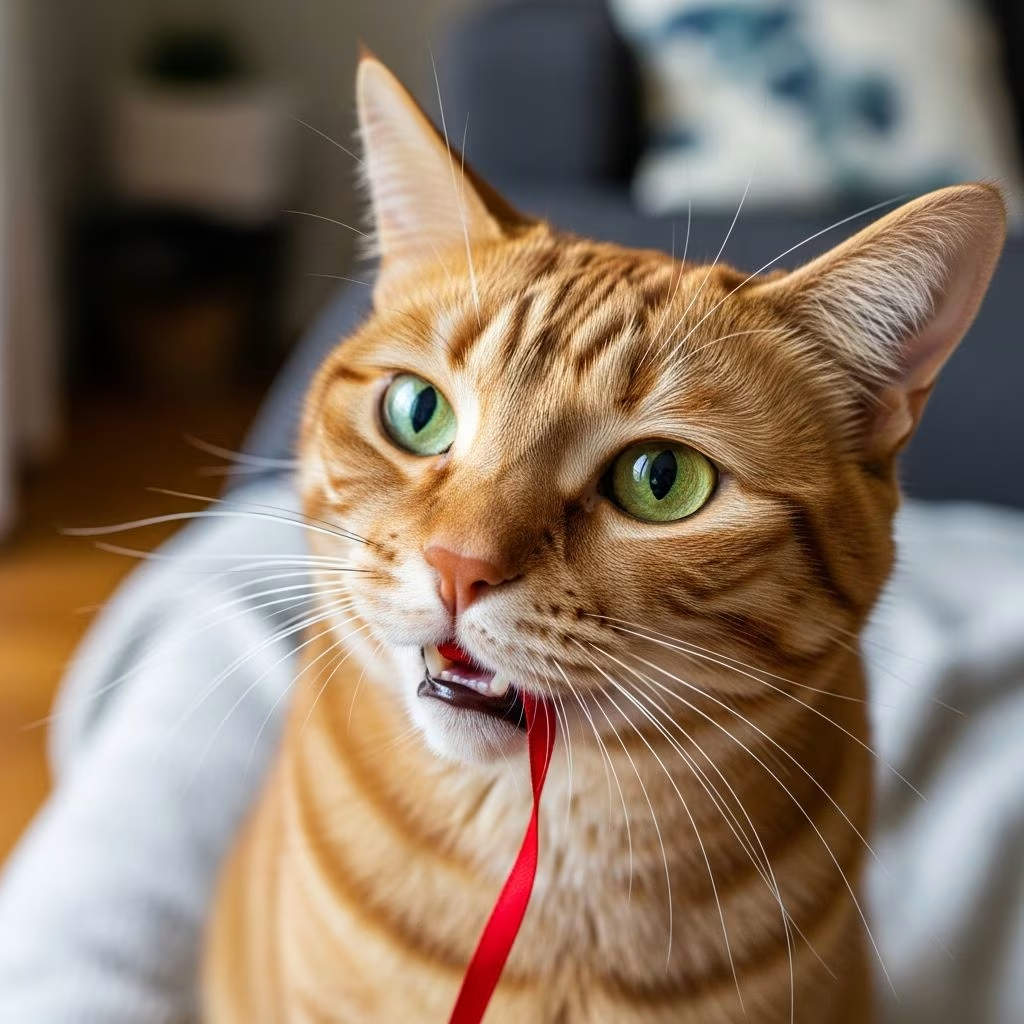
Ribbons attract cats with their fluttering motion, mimicking prey during play. However, ingestion turns fun into a veterinary crisis due to potential intestinal obstruction and tissue damage. Contact a vet right away if suspected.
Why Ribbons Are a Hidden Threat to Cats
Cats instinctively pounce on and chew linear items like ribbons, often swallowing pieces without owners noticing. These **linear foreign bodies** differ from round objects by anchoring at one end—typically the base of the tongue or pylorus—while peristalsis pulls the rest through the intestines. This creates bunching, sawing the gut walls like cheese wire.
Such tension erodes the intestinal mucosa, risking perforation where bacteria leak into the abdomen, causing peritonitis—a potentially fatal infection. Necrosis from impaired blood flow worsens outcomes, demanding urgent intervention.
Recognizing Early Warning Signs
Symptoms emerge subtly as cats mask pain. Monitor for:
- Excessive drooling or lip licking from nausea
- Frequent vomiting, sometimes with blood
- Diarrhea or constipation alternating
- Hunched posture indicating abdominal discomfort
- Refusal to eat or drink
- Lethargy or hiding more than usual
- Straining without defecation
These align with gastrointestinal distress from blockages. Progression to collapse or fever signals advanced complications.
Immediate Steps If Ingestion Occurs
Never pull protruding ribbon from mouth or anus—this heightens tearing risks as unseen portions entangle deeper. Avoid inducing vomiting, which could lodge material in the esophagus.
Rush to an emergency vet. Provide details: ribbon length, width, ingestion time, and symptoms. Delays elevate fatality odds.
Diagnostic Process at the Vet
Vets start with history and physical exam, palpating for pain, masses, or bunched intestines—a hallmark of linear bodies. Vital checks include temperature, hydration, and gum color.
Imaging follows: X-rays may reveal obstructions indirectly via gas patterns; ultrasound visualizes linear objects or fluid better. Bloodwork assesses dehydration, infection, or organ strain.
| Test | Purpose | What It Detects |
|---|---|---|
| Physical Exam | Initial assessment | Pain, dehydration, abdominal thickening |
| X-rays | Visualize blockages | Gas patterns, radio-opaque material |
| Ultrasound | Detailed imaging | Linear body, perforation, fluid |
| Blood Tests | Systemic evaluation | Infection, electrolyte imbalance |
Treatment Options Explained
Management depends on progression. Short, narrow ribbons might pass monitored via serial exams and laxatives, but most require intervention.
Endoscopy: For upper tract retrieval, a scope removes material minimally invasively.
Surgery (Enterotomy/Enterectomy): Exploratory laparotomy locates and extracts the ribbon, resecting damaged bowel if perforated. Post-op care includes fluids, antibiotics, and nutrition.
Recovery spans days to weeks; watch for dehiscence or adhesions.
Prevention Strategies for Cat Owners
Proactive habits avert disasters:
- Supervise play; remove ribbons post-use
- Secure holiday decor like tinsel
- Opt for cat-safe toys without strings
- Train ‘leave it’ commands
- Store sewing kits inaccessible
Educate households on risks during festive seasons when ribbons abound.
Prognosis and Long-Term Outlook
Early detection yields 90%+ survival; delays drop it below 50% due to sepsis. Post-surgical cats thrive with diet tweaks—high-fiber, small meals—and routine checkups.
Recurrent pica signals issues like anxiety or nutritional gaps; consult for behavioral or dietary plans.
FAQ: Common Questions on Ribbon Ingestion
What if only a small piece was eaten?
Even short segments risk obstruction. Vet evaluation remains essential.
How long before symptoms appear?
Hours to days; partial blockages delay signs.
Can home remedies help?
No—petroleum laxatives or feeding bread worsen matters. Professional care only.
Is surgery always needed?
Not if passing naturally under monitoring, but rare for ribbons.
Which cats are most at risk?
Kittens, chewers, and stressed cats with pica tendencies.
Related Risks: Other Linear Dangers
Beyond ribbons, watch yarn, thread, dental floss, fishing line. All pose identical threats; unified prevention applies.
References
- My Cat Ate a Ribbon: Is It Dangerous? Our Vet Explains — Catster. 2023. https://www.catster.com/ask-the-vet/my-cat-ate-a-ribbon/
- Cats, ribbons and tinsel… what’s the problem? — Vet Help Direct. 2020-12-14. https://vethelpdirect.com/vetblog/2020/12/14/cats-ribbons-and-tinsel-whats-the-problem/
- My Cat Ate String. Now What? — Apex Vets. 2023. https://apex.vet/blog/cat-ate-string/
- What To Do if Your Cat Has Eaten String — PetMD. 2023. https://www.petmd.com/cat/general-heath/what-to-do-if-your-cat-has-eaten-string
- My Cat Ate Tinsel—Should I Seek Emergency Care? — GSVS. 2023. https://gsvs.org/blog/cat-ate-tinsel-emergency/



