

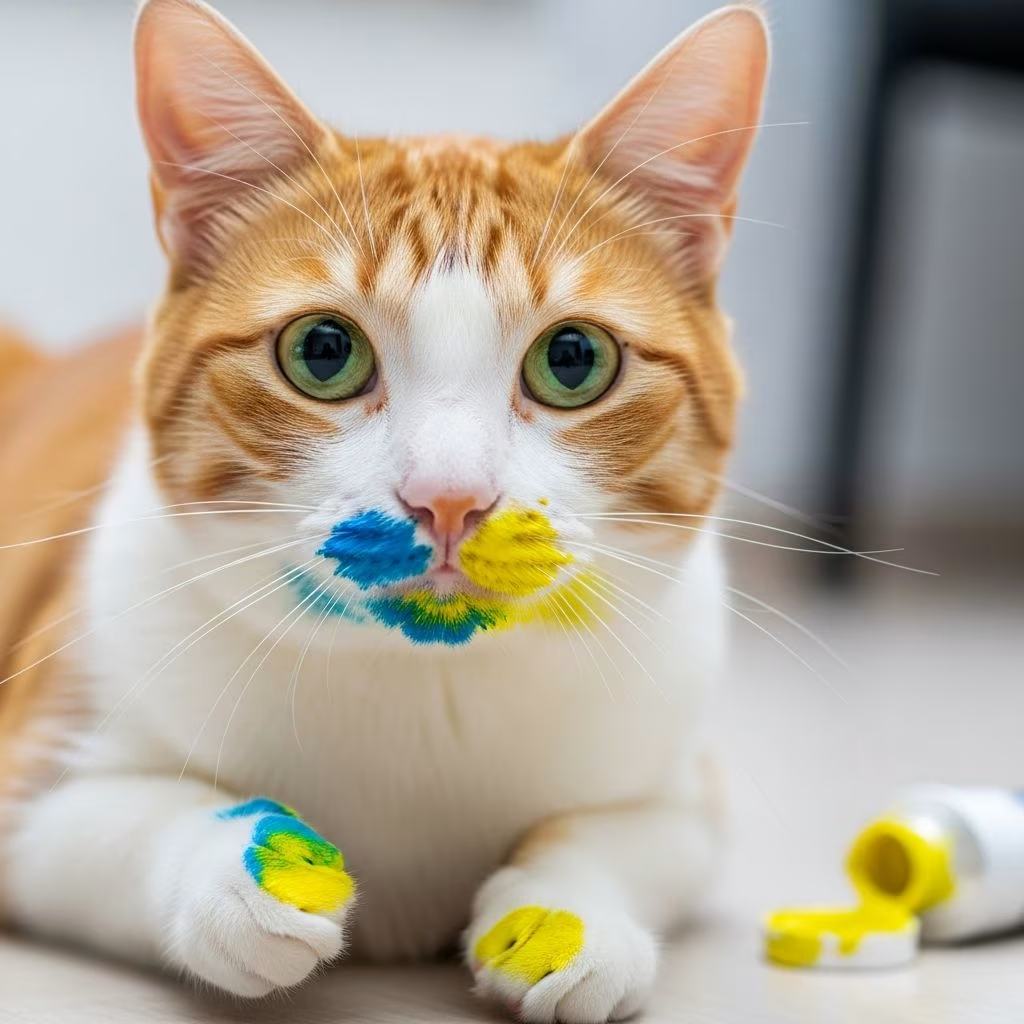
When a cat consumes paint, pet owners face a potentially serious situation that demands prompt evaluation. Paint ingestion varies in risk based on the type and quantity involved, but immediate veterinary consultation is key to safeguarding feline health.
Immediate Response to Paint Ingestion
The first priority is to remain calm while gathering critical details. Note the approximate amount of paint consumed, the time of ingestion, and any visible labels or safety data sheets available. Contact your veterinarian or an emergency clinic right away for personalized guidance.
Do not attempt home remedies like inducing vomiting, as this can exacerbate harm in cats. Instead, prepare to transport your pet if advised, bringing the paint container for analysis. Pet poison control centers, available 24/7, offer expert triage based on specific product information.
- Secure the paint source to prevent further access.
- Observe your cat’s behavior closely for changes.
- Collect vomit or evidence in a sealed bag if safe to do so.
Understanding Paint Types and Their Dangers
Paints differ significantly in composition, influencing toxicity levels for cats. Older formulations often contain lead, while modern ones use varied bases like latex or acrylic, each with unique hazards.
Lead-Based Paints
Historically common in homes built before 1978, lead paints pose severe risks through chronic exposure. Cats may ingest flakes via grooming or licking surfaces, leading to plumbism—a condition disrupting red blood cell production and causing gastrointestinal distress.
Acute large ingestions require urgent intervention, but small amounts might warrant home monitoring under veterinary direction. Repeated exposure heightens dangers like neurological damage.
Acrylic and Latex Paints
Acrylic paints generally present lower toxicity, though certain pigments can irritate. Latex varieties may include ethylene glycol (antifreeze), infamous for inducing kidney failure even in tiny doses.
Always scrutinize labels for additives. Water-based options are typically safer than oil-based, but no paint is entirely benign for feline consumption.
| Paint Type | Main Risks | Toxicity Level |
|---|---|---|
| Lead-Based | Lead poisoning, anemia, GI issues | High (chronic) |
| Acrylic | Pigment irritation | Low to Moderate |
| Latex | Ethylene glycol, kidney damage | Moderate to High |
| Oil-Based | Severe GI upset, solvents | High |
Recognizing Symptoms of Paint Poisoning
Symptoms can emerge rapidly or develop over time, depending on the toxin. Early detection improves outcomes significantly.
- Gastrointestinal: Vomiting, diarrhea, drooling, appetite loss.
- Neurological: Seizures, weakness, coordination loss, behavioral shifts like hiding.
- Systemic: Lethargy, breathing difficulties, vision impairment.
Lead exposure often manifests subtly at first, progressing to severe anemia. Ethylene glycol starts with drunken gait before acute kidney failure. Monitor for 24-48 hours post-ingestion, even if initially asymptomatic.
Veterinary Interventions and Treatments
Diagnosis begins with history, physical exam, and possibly bloodwork to detect toxins or organ stress. Treatments target decontamination and support.
- Decontamination: Activated charcoal or emetics under supervision.
- Supportive Care: IV fluids for hydration, anti-nausea meds.
- Specific Antidotes: Chelation therapy for lead; aggressive dialysis for antifreeze.
Hospitalization may last days for severe cases. Prognosis excels with early care, per Cornell Feline Health Center insights.
Why Cats Eat Paint: Underlying Causes
Occasional curiosity drives mishaps, but recurrent behavior signals pica—a compulsion to consume non-foods. Linked to nutritional gaps like iron deficiency, stress, or medical issues, pica demands full veterinary workup.
Environmental factors, such as boredom or access to peeling walls, contribute. Address root causes to avert repeats.
Prevention Strategies for Curious Cats
Proactive measures minimize risks in multi-pet homes or during renovations.
- Store paints securely in sealed, elevated cabinets.
- Use pet-safe, low-VOC paints for interiors.
- Supervise during projects; cover drying surfaces.
- Enrich environments with toys to curb boredom-induced chewing.
- Regular vet checkups to catch nutritional imbalances early.
Test older homes for lead via certified kits, abating hazards professionally.
FAQs on Cat Paint Ingestion
Is a small paint flake dangerous for my cat?
Small amounts of modern paint often require monitoring, but lead flakes necessitate vet contact due to cumulative toxicity.
How soon after ingestion do symptoms appear?
Varies: GI signs within hours; kidney issues from antifreeze in 12-24 hours; lead effects over days.
Can I treat paint ingestion at home?
No—professional advice is essential; hotlines like Pet Poison Helpline provide 24/7 support.
What if my cat seems fine after eating paint?
Observe closely; delayed symptoms occur. Call your vet for reassurance.
Are water-based paints safe around cats?
Less toxic but not harmless—ingestion can upset stomachs. Prevention is best.
Long-Term Monitoring and Recovery
Post-treatment, track appetite, energy, and elimination. Follow-up blood tests confirm toxin clearance, especially for heavy metals. Nutritional supplements may aid recovery from deficiencies fueling pica.
Behavioral therapy, like puzzle feeders, redirects chewing urges. Annual tox screens benefit high-risk cats.
References
- Common Cat Poisons — Agriculture Victoria. 2023. https://agriculture.vic.gov.au/livestock-and-animals/animal-welfare-victoria/cats/health/common-cat-poisons
- Poisons — Cornell University College of Veterinary Medicine. 2024-01-15. https://www.vet.cornell.edu/departments-centers-and-institutes/cornell-feline-health-center/health-information/feline-health-topics/poisons
- 24/7 Animal Poison Control Center — Pet Poison Helpline. 2026-01-28. https://www.petpoisonhelpline.com



