

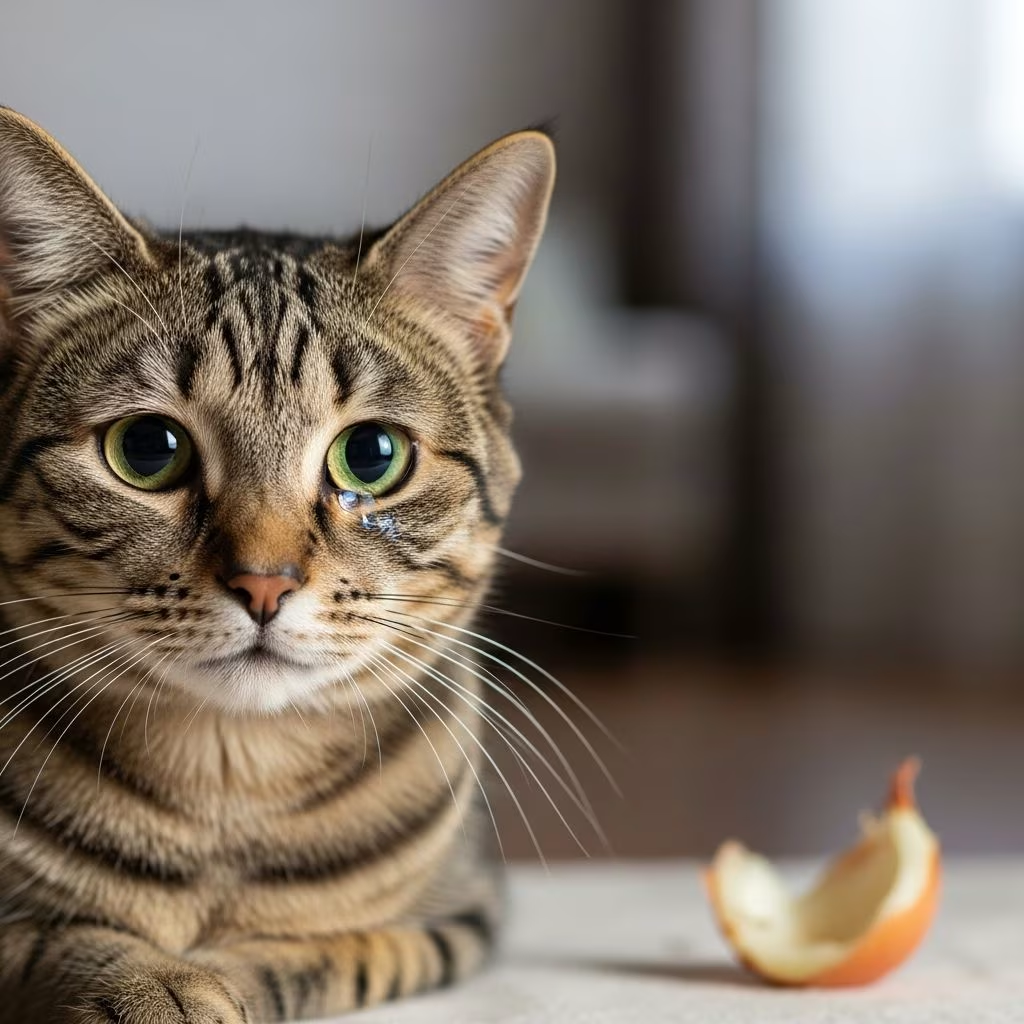
Cat Ate Onion: What You Need to Know
Discovering that your cat has eaten onions can be frightening, and for good reason. Onions are highly toxic to cats and can cause serious health complications. Unlike humans, cats lack the necessary enzymes to process the toxic compounds found in onions, making them highly susceptible to poisoning. If you suspect your cat has consumed onions, understanding the risks, recognizing symptoms, and knowing how to respond quickly are critical for your pet’s survival and recovery.
Why Are Onions Toxic to Cats?
Onions belong to the Allium family of plants, which also includes garlic, leeks, and chives. These plants contain compounds called thiosulfates that damage feline red blood cells through a process called oxidative damage. When a cat ingests onions, these compounds break down the hemoglobin in red blood cells, leading to a condition called hemolytic anemia.
The severity of toxicity depends on several factors, including the amount consumed and the form of the onion. According to veterinary toxicology research, exposures of 5 g/kg or more of onion are considered a risk for causing oxidative damage to hemoglobin and anemia in cats. Cooked onions, raw onions, and onion powder are all dangerous, though powdered forms are often more concentrated and therefore more toxic.
Symptoms of Onion Toxicity in Cats
It’s important to note that symptoms of onion toxicity may not appear immediately. Instead, they often develop over time as the toxic effects accumulate in the bloodstream. Understanding the timeline and recognizing early warning signs can make a significant difference in treatment outcomes.
Initial Symptoms (Appear Within Hours)
The first signs of onion poisoning typically appear within a few hours of ingestion and are gastrointestinal in nature:
- Vomiting and diarrhea – Gastrointestinal distress is often the first noticeable symptom
- Drooling and mouth irritation – The toxins can irritate the mouth and throat
- Loss of appetite – Your cat may refuse to eat due to nausea or discomfort
- Lethargy and weakness – Your cat may appear unusually tired, sluggish, or uninterested in normal activities
- Abdominal pain – Your cat may show signs of discomfort or pain in the stomach area
- Nausea – General signs of feeling unwell
Advanced Symptoms (Appear 2-5 Days Later)
As the anemia develops, more serious symptoms emerge. The onset time for developing anemia can be as soon as 12 hours after ingestion, but it is typically delayed up to two to five days after exposure. These symptoms indicate that red blood cells are being damaged:
- Pale, yellow, blue, gray, or brown gums – Pale mucous membranes indicate reduced oxygen circulation
- Breathing difficulties – Difficulty breathing or rapid, shallow breaths due to reduced oxygen supply
- Dark or discolored urine – Red or brown urine indicates hemoglobinuria (the presence of hemoglobin in urine)
- Yellowing of skin and eyes – Jaundice may develop as the liver is affected
- Increased heart rate – The heart works harder to pump oxygen-poor blood
- Exercise intolerance and collapse – Your cat may be unable to perform normal activities or may suddenly collapse
- Depression and severe lethargy – Your cat may become unresponsive or extremely withdrawn
Immediate Actions to Take if Your Cat Eats Onions
Time is critical when your cat has ingested onions. Quick action can prevent severe health issues and improve the chances of a full recovery. Follow these steps immediately:
- Contact your veterinarian or emergency poison hotline right away – Onion toxicity requires urgent medical attention. Do not wait to see if symptoms develop on their own.
- Do not attempt to induce vomiting at home – Unlike dogs, cats have a more sensitive gag reflex, and forced vomiting can cause additional harm unless specifically instructed by your veterinarian.
- Provide crucial details to your vet – Inform your veterinarian about the estimated amount of onion consumed, the form (raw, cooked, or powdered), and when the ingestion occurred. This information helps determine the level of toxicity risk.
- Remove any remaining onions from reach – Prevent further ingestion by securing all onions and onion-containing foods.
- Keep your cat calm and comfortable – Minimize stress while you wait for veterinary guidance.
- Be prepared for a vet visit or emergency care – Your cat may require immediate hospitalization and intensive treatment.
Veterinary Treatment for Onion Toxicity
Treatment for onion toxicity depends on the severity of the poisoning and how much time has passed since ingestion. If caught early, usually within 2-3 hours, your vet will most likely give your cat an injection to make them vomit. This helps remove as much of the toxin as possible before it is absorbed into the bloodstream.
Early Treatment (Within 2 Hours of Ingestion)
When the ingestion is known to have occurred and prior to onset of clinical signs, treatment focuses on gastrointestinal decontamination:
- Induced vomiting – If the onion ingestion was recent, the vet may induce vomiting to remove any remaining toxins
- Gastric lavage (stomach flushing) – The veterinarian may perform stomach flushing to remove toxins
- Activated charcoal administration – This binds to toxins in the stomach and prevents further absorption
Prompt veterinary care for inducing vomiting provides the best opportunity to remove at least some of the onion from the cat’s system.
Symptomatic and Supportive Care
For cats exhibiting clinical signs or those presenting after the decontamination window, treatment becomes more intensive:
- Intravenous (IV) fluids – Helps flush out toxins, prevent dehydration, and support kidney function
- Blood transfusions – Necessary if severe anemia develops
- Oxygen therapy and support – Administered for hypoxia and to improve oxygen circulation
- Anti-sickness medication – Helps manage vomiting and nausea
- N-acetylcysteine (NAC) – May be administered to support the body’s antioxidant defenses
- Stomach protectants – Help protect the gastrointestinal tract
- Bland diet – Small meals of bland food such as eggs and rice if the cat experiences vomiting or diarrhea
- Daily blood work monitoring – Blood work is recommended for five days and continued daily until signs resolve
Hospitalization
Many cats with onion toxicity require hospitalization for continuous monitoring and treatment. Your cat may need to stay in the hospital for treatment and monitoring. The duration of hospitalization depends on the severity of the poisoning and how quickly the cat responds to treatment.
Home Care and Recovery
If your veterinarian determines that home monitoring is appropriate for a mild case, you’ll need to be vigilant and follow specific care instructions:
- Ensure your cat is drinking normally – Proper hydration is essential for recovery
- Monitor urine and stools closely – Watch for any abnormal changes in color or consistency, as dark urine may indicate ongoing problems
- Feed small, frequent meals – Offer bland foods like eggs and rice to prevent digestive upset
- Administer probiotics – These can help improve digestion and stool health during recovery
- Watch for behavioral changes – Monitor for exercise intolerance, pale mucous membranes, and lethargy
- Schedule follow-up blood work – Daily PCV (packed cell volume) measurement and blood smear analysis are recommended for five days
Recovery Timeline
Understanding the recovery timeline can help you manage expectations and monitor your cat’s progress:
- Hemoglobinuria subsides – One to two days once the source of onions is removed
- Red blood cells regenerate – Within 10 to 12 days
- Heinz bodies gradually disappear – Over one to four weeks
The prognosis depends on how much onion was consumed, the success of decontamination efforts, and how quickly the resulting anemia is identified and treated.
When Is Onion Toxicity Life-Threatening?
When larger amounts of onion are consumed, more blood cell damage results, and the consequences are potentially life-threatening. Any cat who has ingested a potentially dangerous amount of Allium species needs emergency care. Factors that increase the risk of severe toxicity include:
- Large quantities consumed (more than 5 g/kg)
- Concentrated forms such as onion powder
- Delayed treatment or presentation to veterinary care
- Pre-existing health conditions that compromise the immune system or organ function
- Age-related factors in very young or senior cats
In severe cases, cats can experience collapse, organ failure, and death if not treated promptly and aggressively.
Foods to Keep Away From Cats
Beyond onions, several other foods from the Allium family are equally dangerous to cats:
- Garlic – Highly toxic and often more concentrated in powdered form
- Leeks – All parts of the plant are toxic
- Chives – Both fresh and dried forms are dangerous
- Shallots – Toxic in all forms
Always check ingredient lists on prepared foods, broths, and seasoning blends to ensure they don’t contain any Allium species.
Frequently Asked Questions About Onion Toxicity in Cats
Q: How much onion is toxic to cats?
A: Exposures of 5 g/kg or more of onion are considered a risk for causing oxidative damage to hemoglobin and anemia in cats. However, toxicity depends on the cat’s weight, the form of onion, and individual sensitivity. Always contact your vet if your cat eats any amount of onion.
Q: Can cooked onions hurt cats as much as raw onions?
A: Yes, both cooked and raw onions are toxic to cats. The toxic compounds remain present in cooked onions, though cooking may slightly alter their concentration. Powdered onions are typically the most dangerous due to their concentrated form.
Q: How long does it take for onion poisoning symptoms to appear?
A: Initial symptoms like vomiting and diarrhea may appear within hours of ingestion. However, anemia symptoms typically develop 2-5 days after exposure, though they can appear as soon as 12 hours later.
Q: What should I do if my cat ate onion yesterday?
A: Contact your veterinarian immediately, even if no symptoms are visible. Anemia can develop days after ingestion, and early intervention improves outcomes. Your vet may recommend blood work monitoring.
Q: Is onion toxicity in cats reversible?
A: With prompt treatment, many cases of onion toxicity can be managed successfully. However, there is no specific antidote, and treatment is supportive. Severe cases can result in organ damage or death.
Q: Can I induce vomiting at home if my cat eats onions?
A: No, you should never attempt to induce vomiting at home unless specifically instructed by your veterinarian. Cats have sensitive gag reflexes, and forced vomiting can cause additional harm. Always contact your vet first.
Q: How is onion toxicity diagnosed?
A: Your veterinarian will perform blood work to check for anemia, Heinz bodies (abnormal structures in red blood cells), and methemoglobinemia. A detailed history of onion ingestion helps confirm the diagnosis.
Q: What is the survival rate for cats with onion poisoning?
A: Survival rates depend on early detection and treatment. Cats treated promptly (within 2 hours) have better prognosis than those treated after symptoms develop. Severe cases can be fatal if not treated aggressively.
References
- Onion and Garlic Toxicity in Cats — Joii Pet Care. Accessed January 2026. https://www.joiipetcare.com/blogs/poisons/onion-and-garlic-toxicity-in-cats
- Onion Poisoning (Allium Toxicosis) in Cats — Vetster. Accessed January 2026. https://vetster.com/en/conditions/cat/onion-poisoning-allium-toxicosis-in-cats
- Are Onions Toxic to Cats? Symptoms, Dangers & What to Do — Dan’s Pet Care. Accessed January 2026. https://danspetcare.com/pets/d5ec5mpmcclf667mwssdbdhh8pfer2
- A Pungent Poisoning: Onion Toxicosis in a Cat — DVM360. Accessed January 2026. https://www.dvm360.com/view/pungent-poisoning-onion-toxicosis-cat
- Can Cats Eat Onions? — PetMD. Accessed January 2026. https://www.petmd.com/cat/poisoning/can-cats-eat-onions
- Can Cats Eat Onions? — Chewy. Accessed January 2026. https://www.chewy.com/education/cat/food-and-nutrition/can-cats-eat-onions



