

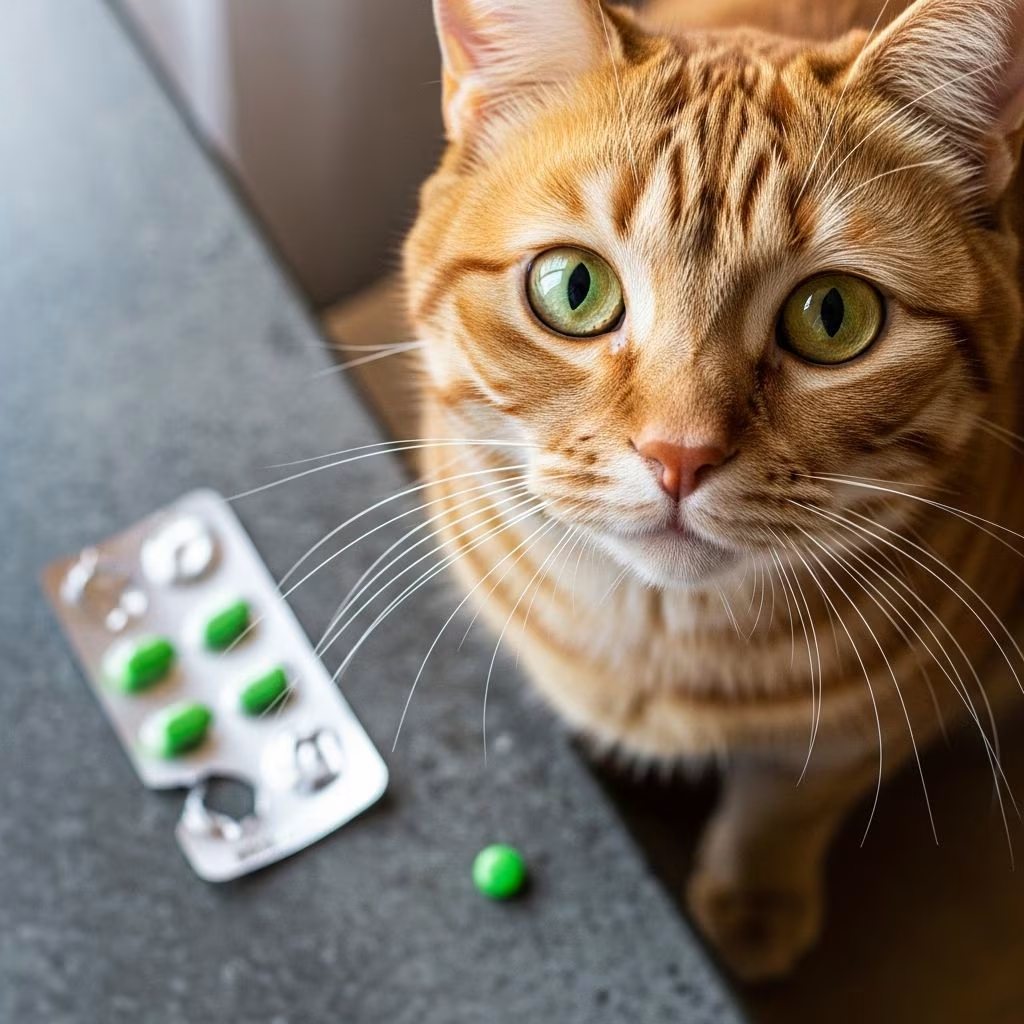
Even a tiny amount of ibuprofen, a common human pain reliever, can poison a cat irreversibly. Cats lack the enzymes to metabolize non-steroidal anti-inflammatory drugs (NSAIDs) like ibuprofen, leading to rapid damage in the stomach, kidneys, and brain. Swift veterinary intervention dramatically improves survival rates, often preventing fatal outcomes like organ failure or seizures.
Why Cats Face Deadly Danger from Ibuprofen
Cats process medications differently from humans due to limited liver glucuronyl transferase activity, which fails to break down NSAIDs effectively. A mere 25 mg/kg dose—equivalent to a quarter of a standard 200 mg tablet for a typical cat—triggers toxicity. This affects the gastrointestinal tract by inhibiting protective prostaglandins, causing ulcers; kidneys by reducing blood flow, leading to acute failure; and the central nervous system at higher doses, provoking tremors or coma.
Unlike dogs, where toxicity requires larger amounts, cats succumb faster. Sources confirm cats are hypersensitive, with symptoms emerging within hours and severe effects lingering days. Household items like Advil or Motrin pose hidden threats, as cats may chew dropped pills unnoticed.
Recognizing Early Warning Signs of Poisoning
Symptoms appear 2-6 hours post-ingestion but can delay up to days for kidney issues. Watch for:
- Vomiting, often bloody or with food remnants, signaling stomach irritation.
- Diarrhea, potentially dark and tarry from internal bleeding.
- Lethargy and weakness, as the cat withdraws or struggles to move.
- Loss of appetite, refusing even favorite foods.
- Abdominal pain, shown by hunching, sensitivity to touch, or vocalizing.
- Increased thirst and urination, early kidney distress indicators.
- Neurological effects like disorientation, tremors, seizures, or collapse in severe cases.
Pale gums, rapid heartbeat, or blood in urine/stool demand immediate action. Early detection is key, as delays worsen prognosis.
Immediate Response: What to Do If Ingestion Occurs
Do not induce vomiting at home—risks aspiration or further harm without professional oversight. Contact a vet or pet poison hotline instantly. Provide details: amount ingested, time elapsed, cat’s weight, and symptoms. Time is critical; treatment within hours boosts recovery odds.
Avoid home remedies like milk or hydrogen peroxide, which can complicate matters. Rush to an emergency clinic if after hours.
Critical Veterinary Treatments for Recovery
Vets tailor care based on dose, timing, and symptoms. Common protocols include:
- Decontamination: Inducing vomiting or gastric lavage if recent; activated charcoal binds remaining toxin.
- IV Fluids: Flushes kidneys, maintains hydration, counters dehydration from vomiting/diarrhea.
- Gastroprotectants: Omeprazole or sucralfate shields/prevents ulcers.
- Kidney Support: Monitoring via bloodwork; diuretics or medications if failure sets in.
- Anti-Seizure Meds: For neurological signs like tremors or convulsions.
- Hospitalization: 3-5 days typical, with blood transfusions for severe bleeding or intralipid therapy for tissue extraction in dire cases.
Prognosis excels with prompt care for small ingestions but falters with delayed treatment or massive doses. Survivors may need lifelong kidney diets or monitoring.
Safe Pain Management Alternatives for Felines
Never use human OTC drugs. Vet-prescribed options include:
| Medication | Use Case | Notes |
|---|---|---|
| Buprenorphine | Mild-moderate pain | Oral/transmucosal; controlled substance. |
| Gabapentin | Chronic pain, seizures | Adjusts nerve signals; oral liquid available. |
| Meloxicam (low-dose) | Short-term post-surgery | Strict vet dosing only; monitor kidneys. |
| Opioids (e.g., Buprenorphine) | Acute severe pain | Hospital use primarily. |
Always consult vets for tailored plans, considering age, health, and concurrent meds.
Preventing Accidental Exposure in Your Home
Proactive steps safeguard cats:
- Store meds in high, locked cabinets.
- Use pill organizers with child-proof locks.
- Dispose of expired/unused drugs securely.
- Educate household members on risks.
- Opt for pet-safe topicals; avoid NSAID creams.
Regular home audits prevent tragedies. Microchipping aids recovery if cats escape post-exposure.
Long-Term Effects and Monitoring Post-Toxicity
Survivors risk chronic kidney disease, requiring annual bloodwork, low-protein diets, and phosphorus binders. Gastric scarring may cause ongoing vomiting. Neurological recovery varies; some retain subtle ataxia. Monthly vet checkups track progress.
Full recovery is feasible with small doses and rapid care, but large ingestions carry 50%+ mortality risks despite intervention.
Common Myths About Feline NSAID Safety
Myth 1: Small amounts are harmless. Reality: Even fragments poison cats.
Myth 2: Symptoms mean it’s too late. Reality: Treatment succeeds even with signs present.
Myth 3: Dog meds work for cats. Reality: Cats’ metabolism differs vastly.
Frequently Asked Questions
What if my cat ate ibuprofen 2 hours ago?
Call your vet immediately. Decontamination is viable; do not wait for symptoms.
How much ibuprofen is toxic to cats?
25 mg/kg minimum; a 200 mg pill endangers most adults.
Can cats recover from ibuprofen poisoning?
Yes, with prompt, aggressive treatment—especially low doses.
Is Tylenol safer than ibuprofen for cats?
No; acetaminophen causes similar or worse liver/kidney damage.
What home tests indicate poisoning?
None reliable; professional diagnostics needed via blood/urine.
References
- Ibuprofen Poisoning in Cats — Pet Care Partners. 2024. https://petcarepartners.co/ibuprofen-poisoning-in-cats/
- Ibuprofen poisoning in dogs and cats — PDSA. 2023-10-15. https://www.pdsa.org.uk/pet-help-and-advice/pet-health-hub/conditions/ibuprofen-poisoning-in-dogs-and-cats
- Ibuprofen (NSAIDs) – cats — Lort Smith Melbourne Animal Hospital. 2024. https://lortsmith.com/need-help-now/cat/poisons-toxins/medication-and-drugs/ibuprofen-nsaids/
- NSAID Toxicity in Cats — PetMD. 2024. https://www.petmd.com/cat/poisoning/nsaid-toxicity-cats
- NSAID (Ibuprofen) Poisoning in Cats — Vetster. 2024. https://vetster.com/en/conditions/cat/nsaid-ibuprofen-poisoning
- Common cat poisons — Agriculture Victoria (.gov.au). 2023. https://agriculture.vic.gov.au/livestock-and-animals/animal-welfare-victoria/cats/health/common-cat-poisons



