

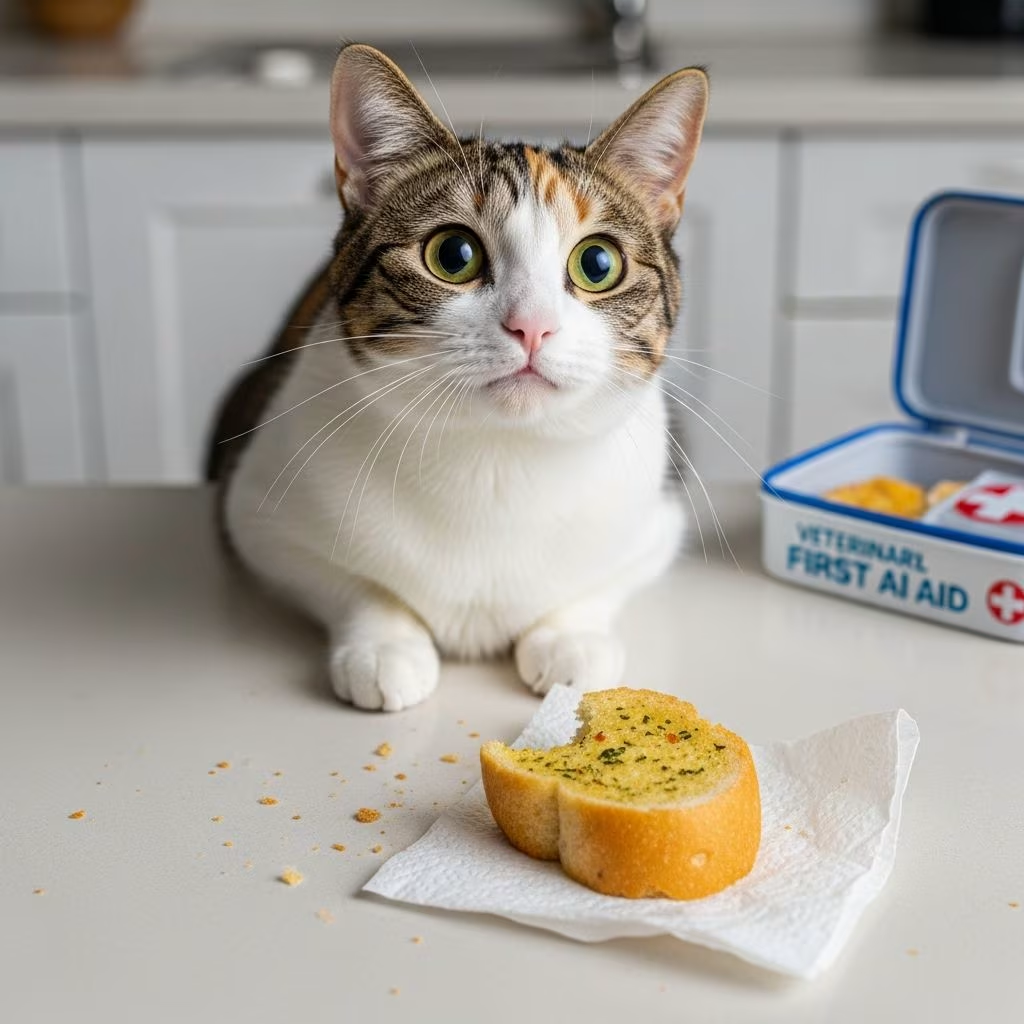
My Cat Ate Garlic Bread! Here’s What to Do
Garlic bread is a beloved staple in many households, but for cat owners, it represents a serious health hazard. While garlic adds delicious flavor to our meals, it is highly toxic to cats and can cause life-threatening complications. If your feline companion has consumed garlic bread, understanding the risks and knowing how to respond quickly can mean the difference between recovery and tragedy.
Garlic belongs to the allium family of vegetables, which also includes onions, leeks, chives, and shallots—all of which are poisonous to cats. The severity of symptoms depends on the quantity ingested, ranging from mild gastrointestinal upset to complete organ failure and death in extreme cases. Time is critical when dealing with garlic ingestion, making immediate veterinary intervention essential.
Why Is Garlic Toxic to Cats?
Garlic toxicity in cats stems from compounds called disulfides, specifically sodium n-propyl thiosulfate, which cause structural damage to the walls of red blood cells. This damage leads to hemolysis, a condition where red blood cells break down and are destroyed, preventing them from carrying oxygen throughout the body.
Even small amounts of garlic can trigger this destructive process. A single clove of garlic or a small portion of garlic bread is sufficient to damage red blood cells and initiate garlic poisoning in cats. The toxic effect is dose-dependent, meaning larger quantities of garlic result in more severe consequences, but no amount is truly safe for feline consumption.
Whether garlic is raw, cooked, powdered, or in bread form, the toxic compounds remain present and dangerous. Garlic bread, in particular, poses a double threat because it often contains butter and oils that can cause additional stomach upset beyond the garlic toxicity itself.
Recognizing Symptoms of Garlic Poisoning
Understanding the signs of garlic toxicity is crucial for early detection and treatment. Symptoms may appear within hours or develop over several days, depending on the quantity consumed and your cat’s individual response.
Initial Symptoms (6 to 12 hours)
In the early stages of garlic ingestion, cats typically exhibit gastrointestinal distress:
- Vomiting
- Diarrhea
- Loss of appetite
- Garlic breath odor
- Lethargy or unusual tiredness
Delayed Toxicity Symptoms (2 to 5 days)
As hemolytic anemia develops, more serious symptoms emerge:
- Pale or white gums
- Rapid or difficulty breathing
- Discolored or dark urine
- Weakness or collapse
- Continued lethargy and reduced appetite
- Drooling or excessive salivation
The delayed nature of these symptoms is particularly dangerous because cat owners may not immediately associate the signs with garlic ingestion. However, prompt veterinary care initiated immediately after garlic consumption—even before symptoms appear—significantly improves outcomes.
Immediate Steps to Take If Your Cat Eats Garlic Bread
1. Remove Access to the Food
Your first action should be to immediately remove any remaining garlic bread or garlic-containing food from your cat’s reach. Cats are agile creatures capable of jumping onto tables and high surfaces, so ensure all garlic products are securely stored in cabinets or areas your cat cannot access. Preventing additional consumption is vital to limiting the total toxic load your cat has ingested.
2. Call Your Vet Immediately
Do not delay in contacting your veterinarian. Explain what has happened and provide as much relevant information as possible. Your vet will ask critical questions to assess the severity of the situation:
- How much garlic bread did your cat consume?
- When exactly was the garlic bread eaten?
- What is your cat’s weight and breed?
- Is your cat currently showing any signs of illness?
- Does your cat have any pre-existing health conditions?
- What type of garlic was in the bread (fresh, powdered, roasted)?
Providing accurate details helps your vet determine the urgency of the situation and prepare appropriate treatment protocols.
3. Take Your Cat to the Vet Immediately
Your veterinarian will advise you to bring your cat to the clinic or emergency animal hospital as quickly and safely as possible. Do not attempt to induce vomiting at home—this should only be done by a trained veterinary professional using proper medications and techniques. During transport, supervise your cat closely and never leave them unattended, as their condition could deteriorate rapidly.
4. Alternative Resources
If you cannot immediately reach your regular veterinarian, contact:
- Pet Poison Helpline—provides expert guidance on poisoning cases
- ASPCA Animal Poison Control Centre—offers 24/7 emergency advice
While these services provide valuable information and guidance, they cannot directly treat your cat. They should supplement, not replace, veterinary care. Always prioritize getting your cat to a veterinary clinic for professional treatment.
What Your Vet Will Do
Diagnosis and Assessment
Upon arrival at the veterinary clinic, your vet will conduct a thorough examination and take a complete history of the incident. Diagnosis of garlic toxicity is made through:
- Clinical signs and symptoms your cat is displaying
- History of garlic ingestion
- Physical examination findings
- Blood sample analysis under a microscope
When examined microscopically, blood samples reveal visible changes in red blood cells caused by sodium n-propyl thiosulfate. Your vet will assess your cat’s overall condition to determine what level of supportive care is necessary.
Treatment Options Based on Timing
The timing of treatment significantly impacts its effectiveness. Treatment decisions depend on when the garlic bread was consumed:
If Ingested Within 2 Hours
Induction of vomiting is the primary treatment goal. Your vet will administer medication to induce vomiting and attempt to remove undigested garlic bread from your cat’s stomach. This procedure aims to prevent the garlic from being absorbed into the bloodstream and damaging red blood cells.
Gastric lavage may also be performed, which involves washing out the stomach contents to remove as much garlic as possible. This procedure is done under sedation or anesthesia to ensure your cat’s safety and comfort.
Additional Decontamination Methods
Activated charcoal may be administered to absorb toxins remaining in the digestive tract, preventing them from entering the bloodstream and affecting red blood cells. This is an effective secondary measure to reduce toxin absorption.
Supportive Care Treatments
Regardless of when the garlic was ingested, your vet will assess whether your cat requires supportive care:
- Intravenous (IV) fluid therapy—maintains hydration and helps flush toxins from the body while supporting kidney and organ function
- Oxygen supplementation—improves oxygen delivery when red blood cells are damaged and unable to carry sufficient oxygen
- Blood transfusion—in severe cases where extensive red blood cell destruction has occurred, transfusions replace damaged cells and restore oxygen-carrying capacity
- Ongoing monitoring—blood work and vital signs are monitored for several days post-treatment to track recovery and organ function
Understanding Garlic Toxicity: Hemolytic Anemia
The primary danger from garlic consumption is the development of hemolytic anemia, a life-threatening condition where the body destroys its own red blood cells faster than it can replace them. This process occurs in stages:
- Red blood cell damage—Garlic’s toxic compounds damage the protective walls of red blood cells
- Cell destruction—Damaged cells break down and are removed from circulation
- Oxygen deprivation—As red blood cells are destroyed, fewer cells remain to carry oxygen throughout the body
- Organ damage—Oxygen-deprived organs begin to fail, potentially resulting in death if untreated
This cascade of events is why garlic toxicity is so serious and why immediate veterinary intervention is essential. Early treatment can interrupt this process before severe damage occurs.
Prognosis and Recovery
Small Ingestion Cases
If your cat consumed only a small amount of garlic bread and receives prompt veterinary attention, the prognosis is generally favorable. Most cats in this situation recover well with no long-term complications. With early decontamination and supportive care, the body’s ability to produce new red blood cells often restores normal function.
Large Ingestion Cases
Cats that have consumed large quantities of garlic have a much poorer prognosis. Depending on the severity of hemolytic anemia, long-term complications may develop, and the outcome can be fatal. However, even in severe cases, prompt and aggressive veterinary treatment can save your cat’s life.
Key Factors Affecting Recovery
- Amount of garlic consumed
- Time elapsed before treatment
- Cat’s age and overall health
- Presence of pre-existing medical conditions
- Timeliness and aggressiveness of veterinary intervention
Prevention: Keeping Your Cat Safe
The best approach to garlic toxicity is prevention. Implement these safety measures to protect your feline friend:
- Store garlic products securely—Keep garlic bread, garlic powder, and all garlic-containing foods in sealed containers in cabinets or high shelves your cat cannot access
- Never leave food cooling unattended—Garlic bread cooling on countertops or tables is easily accessible to agile cats; always supervise cooling food or store it in closed areas
- Educate family members and guests—Ensure everyone in your household understands that garlic is toxic to cats and should never be fed to them
- Check ingredient lists—Some commercial cat foods and treats may contain garlic or garlic powder; read labels carefully
- Be cautious with human foods—Never share garlic bread, pizza, or other garlic-containing meals with your cat, even small amounts
- Supervise outdoor time—If your cat has outdoor access, monitor what they encounter to prevent accidental ingestion of garlic plants or compost containing garlic
Frequently Asked Questions
Q: How much garlic is toxic to cats?
A: Even a single clove of garlic or a small amount is potentially dangerous. The toxic dose varies by cat, but no amount of garlic is considered safe for feline consumption. Any suspected ingestion warrants immediate veterinary attention.
Q: How long after eating garlic will my cat show symptoms?
A: Initial gastrointestinal symptoms may appear within 6 to 12 hours, while more serious symptoms related to hemolytic anemia typically develop 2 to 5 days after ingestion. Some cats may not show obvious symptoms for days, making early veterinary treatment crucial even if your cat appears fine.
Q: Can I induce vomiting at home?
A: No. Vomiting should only be induced by a veterinarian using proper medications and techniques. Attempting to induce vomiting at home can cause additional harm and is not recommended.
Q: What should I tell my vet about the garlic bread?
A: Provide specific details including the amount consumed, when it was eaten, whether the garlic was raw or cooked, and any symptoms your cat is showing. This information helps your vet determine the severity and appropriate treatment.
Q: Is garlic bread worse than plain garlic?
A: Garlic bread contains garlic plus butter and oils, which can cause additional stomach upset. The garlic itself is the primary concern, but the added ingredients make garlic bread particularly problematic for cats.
Q: Will my cat definitely die if they eat garlic bread?
A: Not necessarily. With prompt veterinary treatment, many cats recover well, especially those that ingested small amounts. However, without treatment, severe garlic toxicity can be fatal. Early intervention significantly improves survival rates.
Q: Can my cat develop garlic poisoning from garlic powder or garlic salt?
A: Yes. Garlic powder, garlic salt, and all forms of garlic are toxic to cats. Concentrated forms like garlic powder may actually pose greater risk because a small amount contains more garlic than fresh bread.
Q: What if my cat ate garlic bread hours ago and seems fine?
A: Contact your vet immediately regardless. Cats may not show symptoms for several days, and early veterinary intervention is most effective. Do not wait for symptoms to appear before seeking help.
Conclusion
If your cat has eaten garlic bread, immediate action is essential. Contact your veterinarian right away and transport your cat to a clinic or emergency hospital as quickly and safely as possible. While garlic toxicity is serious and potentially fatal, many cats recover well when treated promptly.
The key to a positive outcome is recognizing the danger, acting fast, and trusting your veterinarian’s expertise. Small amounts of garlic bread often result in recovery with no lasting effects, while large ingestions require aggressive treatment but can still be survivable with proper care. Above all, prevent future incidents by securing garlic products and educating everyone in your household about the dangers garlic poses to cats.
References
- My Cat Ate Garlic Bread! Here’s What to Do (Vet Answer) — Catster. 2024. https://www.catster.com/ask-the-vet/cat-ate-garlic-bread-what-to-do/
- Can Cats Eat Garlic? — Chewy. 2024. https://www.chewy.com/education/cat/food-and-nutrition/can-cats-eat-garlic
- Is Garlic Bad for Cats? What Every Fur Parent Should Know — FullyHealthy. 2024. https://fullyhealthy.com/blogs/news/is-garlic-bad-for-cats
- Can Cats Eat Pizza Hut Garlic Bread? Butter and Herb Concerns — DialAVet. 2024. https://www.dialavet.com/blog/can-cats-eat-pizza-hut-garlic-bread
- Garlic Poisoning in Cats – Symptoms, Causes, Diagnosis, Treatment — WagWalking. 2024. https://wagwalking.com/cat/condition/garlic-poisoning-1



