

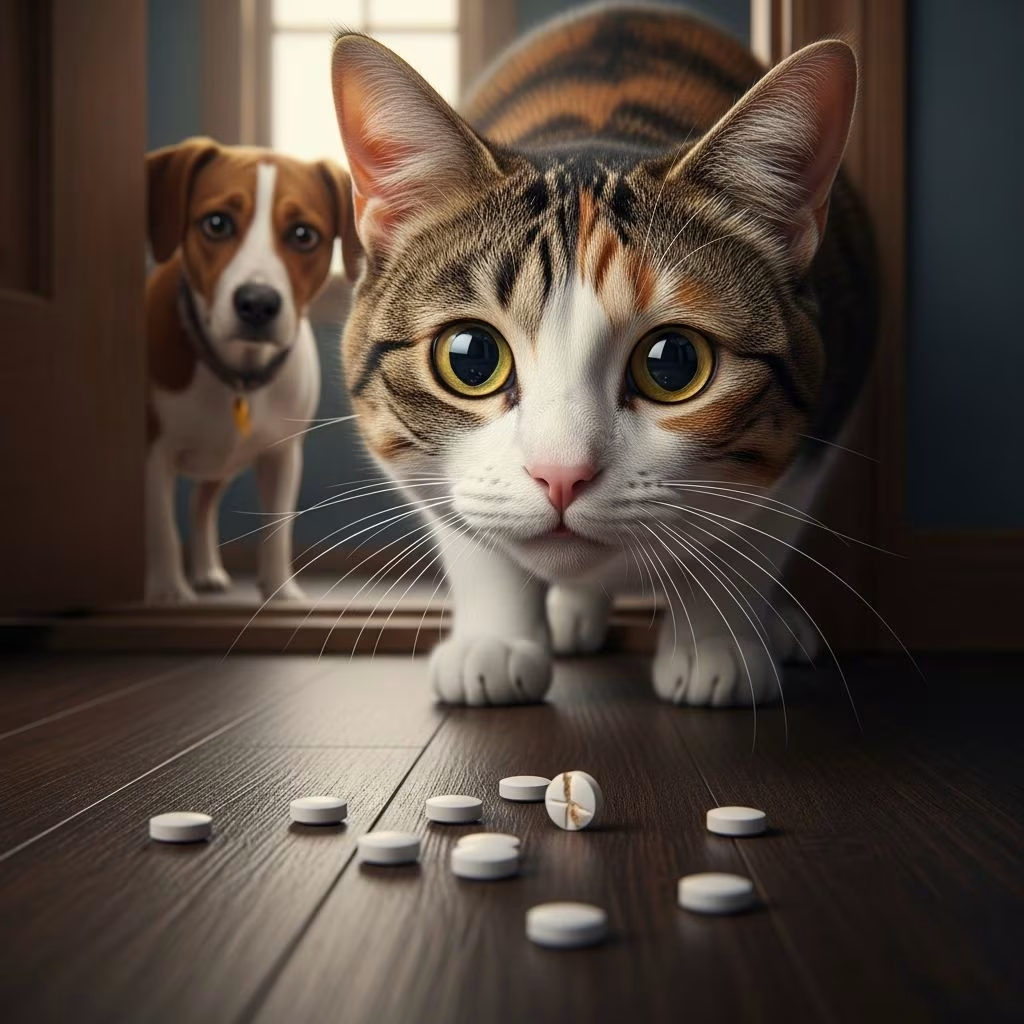
Accidental ingestion of dog dewormer by a cat can lead to serious health complications because of differences in species-specific formulations and metabolic processes. Cats lack certain liver enzymes, making them vulnerable to overdose and toxicity from common dog deworming agents.
Understanding the Dangers of Cross-Species Medication
Dog dewormers are calibrated for canine physiology, which differs significantly from that of cats. Cats weigh less on average, so even small doses intended for the smallest dogs exceed safe feline limits. Moreover, ingredients like pyrethroids, including permethrin, accumulate in cats’ systems because they cannot efficiently break them down due to the absence of glucuronyl transferase enzyme.
This metabolic gap means that what is therapeutic for dogs becomes potentially lethal for cats. Over-the-counter dog products often target broader parasites but ignore feline sensitivities, heightening overdose risks. Prescription dog treatments may combine multiple agents, complicating toxicity profiles if ingested by a cat.
Common Culprits in Dog Dewormers Harmful to Cats
Several active compounds pose threats:
- Permethrin and pyrethroids: Insecticides highly toxic to cats, causing neurological damage even in trace amounts.
- Fenbendazole or similar benzimidazoles: Generally safer but risky in dog-dosed quantities, leading to gastrointestinal upset.
- Combination flea-worm products: Often mistaken for pure dewormers, these amplify dangers with added neurotoxins.
Even non-permethrin dog dewormers can cause issues via overdose, as cat-specific products adjust for lower body weights and sensitivities.
Recognizing Signs of Toxicity in Your Cat
Symptoms can emerge within 30 minutes to 72 hours, progressing rapidly without intervention. Monitor closely for:
- Neurological effects: Tremors, seizures, limb stiffness, hypersalivation, uncoordination, dilated pupils.
- Gastrointestinal distress: Vomiting, diarrhea, appetite loss.
- Systemic issues: Hyperthermia, breathing difficulties, lethargy, hypersensitivity to light or noise.
Not all reactions are immediate; some delayed signs underscore the need for proactive veterinary contact rather than waiting.
| Symptom Category | Early Signs (0-24 hrs) | Late Signs (24-72 hrs) |
|---|---|---|
| Neurological | Tremors, salivation | Seizures, coma risk |
| Digestive | Vomiting, diarrhea | Dehydration, weakness |
| Other | Lethargy, fever | Respiratory distress |
Immediate Steps If Your Cat Ingestes Dog Dewormer
Time is critical—do not delay. Follow this protocol:
- Gather details: Note product name, active ingredients, amount ingested, time elapsed, cat’s weight, and current meds.
- Contact professionals: Call your vet, ASPCA Animal Poison Control at (888) 426-4435, or Pet Poison Helpline at (855) 764-7661 immediately.
- Avoid home remedies: Never induce vomiting unless directed by a vet, as it may worsen harm.
- Decontaminate if topical: For spot-on products, wash with mild soap and water gently, preventing licking.
- Transport promptly: If advised, bring your cat to an emergency clinic.
Providing specifics helps experts recommend monitoring or urgent care.
Veterinary Interventions for Dewormer Toxicity
Treatment focuses on stabilization and toxin elimination, as no specific antidote exists for many agents like permethrin. Common approaches include:
- IV fluids for hydration and flushing toxins.
- Sedatives or anticonvulsants for tremors/seizures.
- Temperature regulation and glucose monitoring.
- Activated charcoal in some ingestion cases.
- Intensive care for severe cases.
Outcomes improve with early intervention; prognosis depends on dose, time to treatment, and cat’s health.
Why Cats Process Medications Differently
Cats’ livers prioritize protein metabolism over detoxification of synthetic compounds. Lacking key enzymes, they conjugate toxins poorly, leading to buildup. Dogs possess these enzymes, tolerating higher loads. This evolutionary divergence explains why species-specific meds are non-interchangeable.
Additionally, cats’ grooming habits increase ingestion risk from topical dog treatments via contact with treated pets or surfaces.
Safe Deworming Practices for Cats
Prevent incidents with these habits:
- Use vet-recommended, cat-only products—oral, topical, or injectable.
- Read labels meticulously; avoid combo flea-worm unless specified for cats.
- Separate cats from recently treated dogs for 24-48 hours.
- Store meds securely out of reach.
- Schedule routine vet checkups for tailored deworming plans.
Over-the-counter cat dewormers suit mild cases, but prescription broad-spectrum options handle resistant parasites better.
Long-Term Care After a Poisoning Incident
Post-treatment, observe for lingering effects like neurological deficits or organ strain. Follow-up bloodwork ensures recovery. Adjust home environment to prevent repeats, and consider parasite prevention schedules. Most cats rebound fully with prompt care, but vulnerability persists.
Frequently Asked Questions
Is all dog dewormer fatal to cats?
No, but many contain toxic elements or overdose risks. Always consult a vet rather than risk it.
How much dog dewormer is dangerous for a cat?
Even tiny amounts, especially permethrin, can intoxicate due to poor metabolism.
Can I wait for symptoms before calling the vet?
No—early intervention prevents escalation. Call poison control immediately.
What if my cat seems fine after eating it?
Symptoms may delay; professional guidance is essential regardless.
Are there natural dewormers safe for cats?
Some exist, but efficacy varies—vet approval ensures parasite control without risks.
Preventing Medication Mix-Ups in Multi-Pet Homes
In households with dogs and cats, label treatments clearly and administer separately. Educate family on risks, and use lockable storage. Regular vet visits align deworming for all pets safely.
By prioritizing species-appropriate care, you minimize emergencies and maintain pet wellness.
References
- Is it dangerous if my cat ate dog dewormer? | Dial A Vet — Dial A Vet. 2023. https://www.dialavet.com/vet-answers/post/cat-ate-dog-dewormer-24851
- Dog dewormer can be deadly to cats — Balmesvet. 2023. https://balmesvet.com/en/dog-dewormer/
- My Cat Ate Dog Dewormer: Is It Dangerous? Vet-Approved Risks — Hepper. 2024. https://articles.hepper.com/cat-ate-dog-dewormer/
- ASPCA Poison Control — ASPCA. 2025. https://www.aspca.org/pet-care/aspca-poison-control
- 24/7 Animal Poison Control Center | Pet Poison Helpline — Pet Poison Helpline. 2025. https://www.petpoisonhelpline.com



