

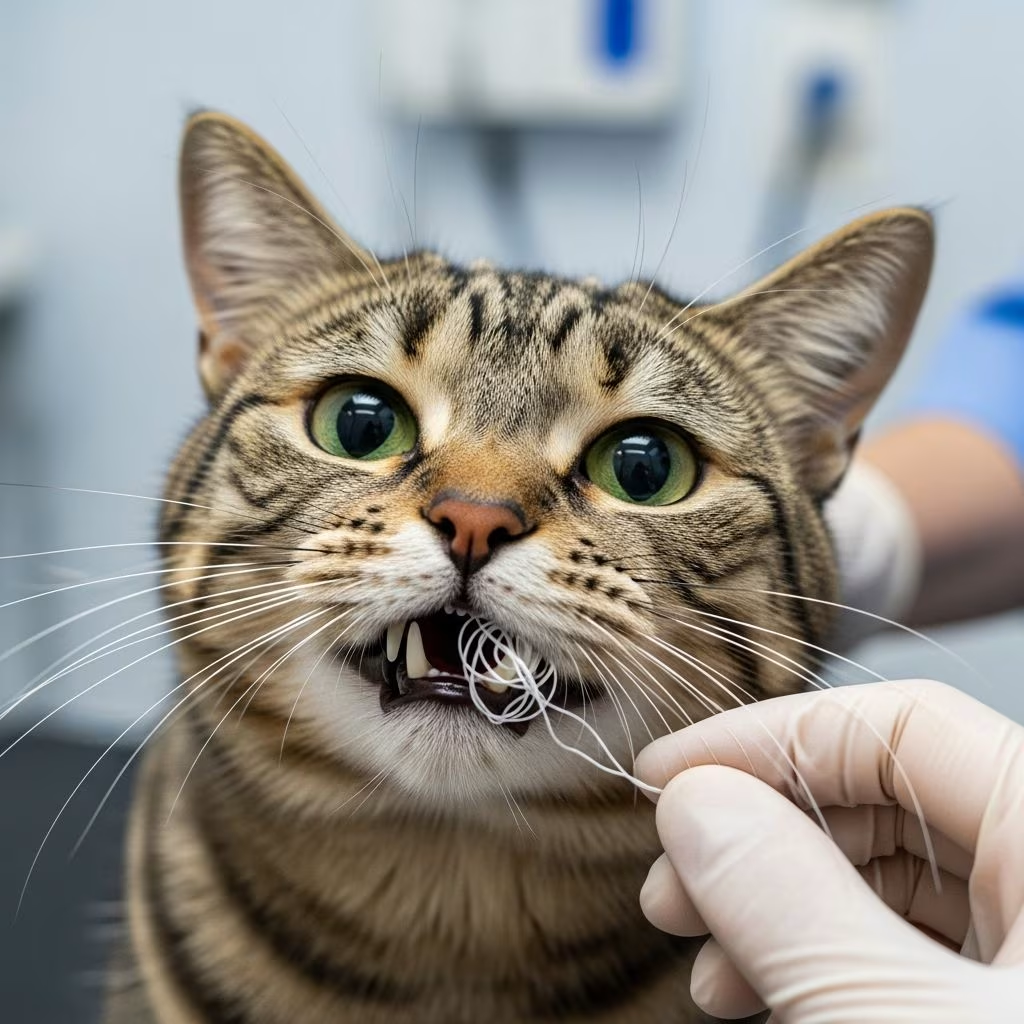
Cats’ natural curiosity often leads them to chew on household items like dental floss, but this innocent play can turn into a life-threatening emergency. Swallowing floss creates a linear foreign body that may bunch up the intestines, causing severe damage or perforation. Immediate veterinary attention is crucial to prevent fatal complications.
Why Cats Are Drawn to Dental Floss
Feline instincts drive cats to pounce on and ingest thin, dangling objects. Dental floss mimics prey with its movement and texture, making it irresistible. The rough barbs on a cat’s tongue catch the floss, pulling it deeper into the digestive system rather than allowing expulsion. This behavior stems from hunting instincts, where cats swat and swallow strings or threads without hesitation.
Household environments amplify the risk, as floss often ends up on floors or in trash bins accessible to agile climbers. Young cats and kittens, with their playful energy, face higher chances of mishaps. Recognizing this attraction helps owners stay proactive in securing such items.
Understanding Linear Foreign Bodies in Felines
A linear foreign body refers to elongated materials like floss, thread, yarn, or ribbon lodged in the gastrointestinal tract. Unlike round objects, these do not pass smoothly; instead, they anchor at one end—often around the tongue’s base or in the stomach—while peristalsis pushes the intestines forward.
This movement causes the intestines to accordion-fold over the material, creating intestinal plication. Tension builds, leading to tissue ischemia, ulceration, and potential perforation. Bacteria from leaking intestinal contents can cause peritonitis, a systemic infection with high mortality rates if untreated.
| Type of Linear Object | Common Sources | Risk Level |
|---|---|---|
| Dental Floss | Bathroom trash, floors | High – Thin and strong |
| String/Thread | Sewing kits, gifts | High – Easily anchors |
| Ribbon/Yarn | Presents, crafts | Moderate to High |
| Fishing Line | Outdoor gear | Extreme – Very sharp |
Immediate Signs of Trouble After Ingestion
Not all cases show instant symptoms, but vigilance is key. Watch for:
- Vomiting, especially repeated or containing bile
- Lethargy or hiding more than usual
- Loss of appetite or refusal to eat
- Abdominal pain, shown by hunching, sensitivity to touch, or growling
- Diarrhea or straining without producing stool
- Visible floss trailing from mouth or rectum
These signs may appear within hours or days. Subtle changes like reduced grooming indicate discomfort. If floss is visible externally, resist the urge to pull it, as this can saw through tissues like a wire.
First Steps: What to Do Right Away
Upon discovering or suspecting ingestion:
- Stay calm and contact your vet or an emergency clinic immediately—do not wait for symptoms.
- Provide details: amount of floss, time of ingestion, your cat’s age, weight, and any symptoms.
- Do not induce vomiting; cats aspirate easily, and it may lodge the floss deeper.
- Avoid food/water until vet guidance, but transport your cat promptly if advised.
Vets assess via history and may recommend monitoring, endoscopy, or imaging. Early action boosts survival odds significantly.
Veterinary Diagnostic Approaches
Diagnosis starts with physical exams, checking the mouth and abdomen for tenderness. Key tools include:
- Radiographs (X-rays): Floss rarely shows directly but reveals intestinal bunching or gas patterns.
- Ultrasound: Detects fluid, thickening, or free air from perforation.
- Endoscopy: For recent cases, allows visualization and retrieval from stomach.
- Bloodwork: Checks for dehydration, infection, or organ stress.
If imaging is inconclusive but suspicion high, exploratory laparotomy confirms the issue. Contrast studies with barium can highlight obstructions but are less common now.
Treatment Options from Monitoring to Surgery
Outcomes vary by ingestion duration and progression:
Conservative Management: Rare for floss; only if very recent and small amount. Involves fluids, anti-nausea meds, and observation.
Endoscopic Removal: Ideal early on; a scope extracts floss via mouth without incision.
Surgical Intervention: Most common for advanced cases. Enterotomy removes the object, resecting damaged bowel sections if needed. Multiple incisions may be required for extensive involvement. Post-op care includes IV fluids, pain control, antibiotics, and a bland diet transition.
Recovery takes 1-2 weeks; complications like adhesions occur in 10-20% of cases, per veterinary reports.
Long-Term Recovery and Prognosis
Most cats recover fully with prompt surgery, boasting 85-95% success rates if acted on early. Monitor for:
- Dehiscence (incision reopening)
- Persistent vomiting
- Weight loss
Follow-up exams ensure healing. Prognosis worsens with delays; perforation cases drop survival to 50% or lower. Nutritional support aids gut repair.
Proven Prevention Strategies for Cat Owners
Minimize risks through habit changes:
- Secure Disposal: Use lidded trash cans; place used floss in puncture-proof containers like sharps bins.
- Switch Products: Opt for floss picks over loose strands.
- Room Access: Close bathroom doors; store floss high or locked.
- Daily Sweeps: Check floors before leaving home.
- Enrichment Alternatives: Provide safe toys like wand teasers to redirect instincts.
Training via positive reinforcement deters counter-surfing. Multi-cat homes need extra vigilance.
Frequently Asked Questions (FAQs)
Will dental floss always cause problems in cats?
No, small pieces may pass harmlessly, but linear floss rarely does without risk. Always consult a vet.
Can I pull floss from my cat’s mouth or bottom?
Never—pulling causes lacerations. Let professionals handle it.
How much floss is dangerous?
Even short lengths (6+ inches) pose threats due to anchoring potential.
What if my cat seems fine days later?
Obstructions can develop silently; seek imaging if ingestion confirmed.
Are certain cat breeds more prone?
All breeds, but playful young cats and breeds like Siamese are higher risk.
Key Takeaways for Cat Safety
Dental floss ingestion demands swift response to avert intestinal catastrophe. Educate yourself on symptoms, prioritize vet visits, and fortify your home against curiosities. With awareness, you safeguard your feline companion’s health effectively.
References
- My Cat Ate Dental Floss: Is It Dangerous? Our Vet Explains What to Do — Catster. 2023. https://www.catster.com/ask-the-vet/my-cat-ate-dental-floss-vet-answer/
- Jeff Removes Dangerous Dental Floss From Cat’s Intestines | Dr. Jeff — Animal Planet (YouTube). 2020-04-23. https://www.youtube.com/watch?v=ocFgLlFxu60
- Ingestion of Foreign Bodies in Cats — VCA Animal Hospitals. 2024. https://vcahospitals.com/know-your-pet/ingestion-of-foreign-bodies-in-cats
- What To Do if Your Cat Has Eaten String — PetMD. 2024. https://www.petmd.com/cat/general-heath/what-to-do-if-your-cat-has-eaten-string
- What To Do If Your Cat Ate String — East Metro Emergency Vet. 2023. https://eastmetroemergency.com/articles/cat-ate-string



