

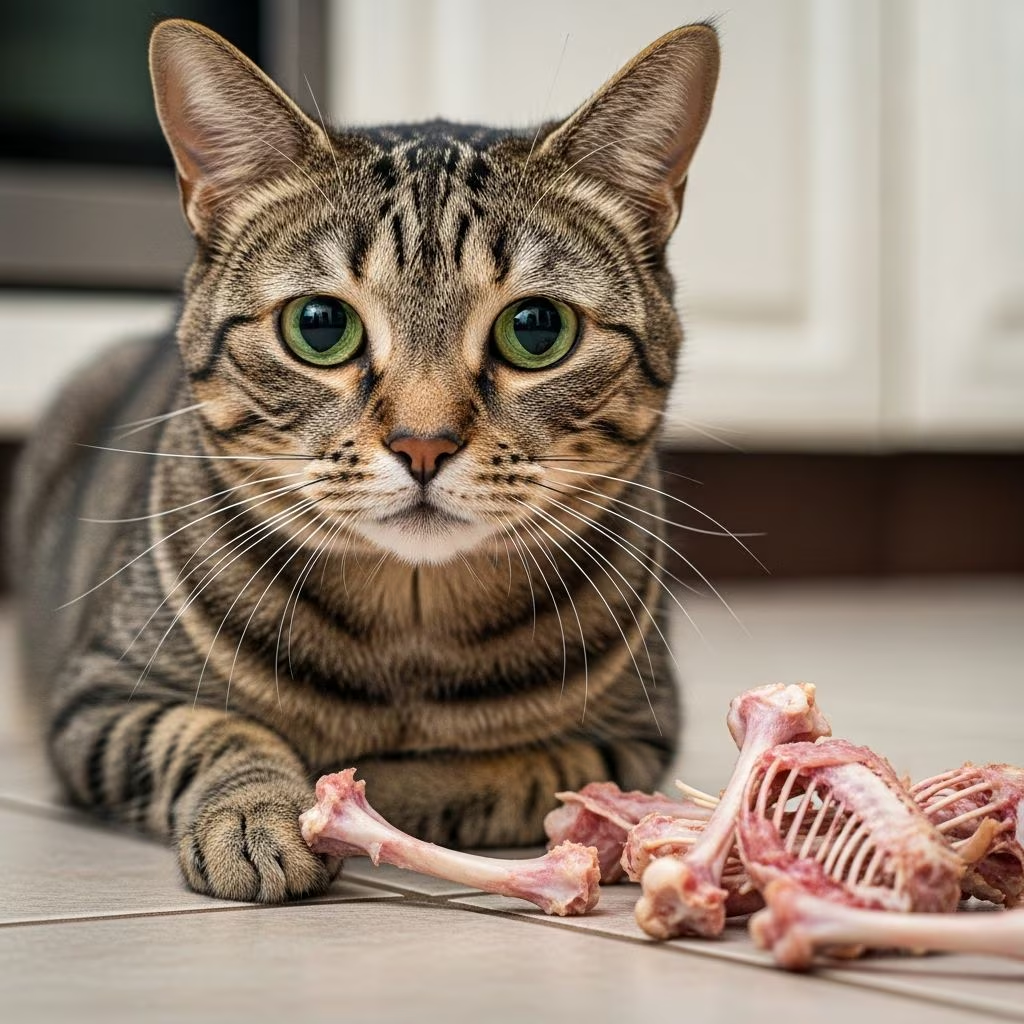
My Cat Ate a Chicken Bone—What Do I Do?
Discovering that your beloved feline has consumed a chicken bone can trigger immediate panic and concern. The good news is that not all cases result in serious complications, but prompt action and awareness are essential. The most important step is to contact your veterinarian as soon as possible and provide them with detailed information about what your cat has eaten. Your veterinarian can offer tailored advice based on your cat’s specific situation, size, and health status. Understanding the potential risks and knowing how to respond appropriately can make a significant difference in your cat’s recovery.
Understanding the Risks: What Happens if a Cat Eats a Chicken Bone?
When a cat ingests a chicken bone, several potential complications can arise. The most significant risk is that the bone may cause a blockage or tear in the gastrointestinal tract. Both raw and cooked chicken bones pose threats to cat health, though cooked bones are generally considered more dangerous because they splinter more easily. If your cat is fortunate, the bone may pass through the digestive system without incident. However, even in these cases, your cat might experience an upset stomach resulting in mild diarrhea or digestive discomfort.
The severity of complications depends on various factors including the size of the bone, whether it was raw or cooked, your cat’s age and size, and how quickly treatment is administered. Understanding these risks helps you make informed decisions about monitoring and veterinary care.
Immediate Actions to Take
If you suspect or know that your cat has eaten a chicken bone, take these immediate steps:
- Check your cat’s breathing: Ensure your cat is breathing normally and appears to be acting normally. Sometimes bones can become lodged in your cat’s mouth or throat, creating an immediate choking hazard.
- Prevent further ingestion: Remove any remaining chicken bones or meat from your cat’s reach immediately. Place your cat somewhere safe where he cannot escape in case you need to transport him to the veterinary clinic.
- Call your veterinarian: Contact your vet as soon as possible. Provide them with specific information including the number of bones ingested, whether they were cooked or raw, the approximate size, and how long ago your cat ate them. This information helps your veterinarian assess the level of risk and determine the best course of action.
- Monitor for immediate distress: Watch for signs of choking, gagging, excessive drooling, or difficulty breathing. These indicate a medical emergency and require immediate veterinary attention.
Warning Signs to Watch For
After your cat has ingested a chicken bone, vigilant monitoring is crucial. Contact your veterinarian immediately if your cat displays any of the following symptoms:
- Vomiting or regurgitation
- Excessive drooling or pawing at the mouth
- Choking or gagging sounds
- Coughing or difficulty breathing
- Abdominal pain or swelling—your cat may sit hunched or vocalize in pain when you touch his belly
- Loss of appetite or refusing to eat or drink
- Constipation or inability to pass feces
- Diarrhea or changes in bowel movements
- Lethargy or unusual tiredness and lack of energy
- Bloated or distended abdomen
Many of these symptoms may not appear immediately. Some cats may show signs within hours, while others might take 24 to 48 hours or longer to display symptoms. This is why ongoing monitoring is essential even if your cat seems fine initially.
How Long Does It Take a Chicken Bone to Pass?
Bones typically take 12 to 24 hours to pass through a cat’s digestive tract. However, this timeline can vary depending on your cat’s metabolism, diet, and whether complications develop. The hard and rigid nature of bones means they can splinter easily, causing damage, obstruction, or infection as they travel through the gastrointestinal system. This is why monitoring your cat during this critical period is so important.
Veterinary Diagnosis and Treatment
When you bring your cat to the veterinarian, they will likely recommend diagnostic testing to determine the bone’s location, size, and potential for causing problems. X-rays of your cat’s abdomen are the standard diagnostic tool and are usually easy to read since bones appear clearly on radiographs.
At-Home Monitoring
If your veterinarian determines that your cat does not require hospitalization and seems generally healthy, you may be able to monitor him at home. Your vet will provide specific instructions on what to watch for. General recommendations for home care include:
- Feed a bland diet: Offer a bland food, such as a canned gastrointestinal diet prescribed by your veterinarian. This type of food encourages digestion and may help cushion any sharp edges as the bone passes through the digestive tract.
- Limit activity: Keep your cat indoors and restrict strenuous activity, which can increase the risk of complications.
- Monitor bowel movements: Keep track of your cat’s litter box habits to ensure he is passing stool normally.
- Observe behavior: Watch for any changes in eating habits, energy levels, or signs of pain or distress.
- Maintain communication: Follow up with your veterinarian as instructed and report any new symptoms or concerns immediately.
When Surgery Is Necessary
If your veterinarian suspects that the chicken bone has caused a blockage or tear in your cat’s gastrointestinal tract, surgery will likely be necessary. This is major abdominal surgery that carries significant risks and can be costly. During surgery, your veterinarian will locate the blockage, remove any foreign material, and repair any tears or damage to the intestinal walls.
Following surgery, your cat will require intensive hospitalization for several days and may take weeks to fully recover. Even with successful surgery, there is no guarantee of complete recovery, and in the most severe cases, the damage may be irreparable. This underscores the importance of early detection and treatment.
Important Things NOT to Do
While your instinct might be to try to help your cat immediately, certain actions can actually make the situation worse:
- Do not induce vomiting: Never attempt to make your cat vomit without explicit instruction from a veterinarian. Inducing vomiting can cause sharp bone fragments to lodge in the esophagus or cause additional damage on the way back up, potentially making the situation worse.
- Do not assume the bone will pass naturally: While some bones do pass without incident, assuming this will happen without veterinary assessment is dangerous and could delay critical treatment.
- Do not wait to contact your veterinarian: Time is critical when a foreign object has been ingested. Delays in diagnosis and treatment significantly increase the risk of serious complications.
Cooked Versus Raw Chicken Bones
The type of chicken bone your cat consumed matters. Cooked chicken bones are more brittle and prone to splintering, making them more dangerous than raw bones. When cooked, the bone loses moisture and becomes rigid, which causes it to break into sharp, dangerous fragments. Raw bones, while still a concern, are less likely to splinter because they retain moisture and flexibility.
However, both types of bones should be avoided. Neither raw nor cooked chicken bones are safe for cats to consume. If you want to provide bone-related nutrients to your cat, bone broth made specifically for pets is a much safer alternative than whole bones.
Can Cats Digest Chicken Bones?
While cats are carnivores and can consume some animal bones in nature, domesticated cats do not have the necessary stomach acid strength or digestive enzymes to safely break down chicken bones. Bones are extremely hard and do not digest like regular food. Instead, they often pass straight through the digestive tract without being broken down. As they transit, they can cause damage including tearing, obstruction, and infections.
The concern is not whether the bone will digest, but whether it will cause harm as it moves through your cat’s system. This is why veterinary assessment and monitoring are so important.
Prevention: Keeping Your Cat Safe
The best approach to chicken bone ingestion is prevention. Take these steps to reduce the risk:
- Never leave chicken bones within reach of your cat, whether cooked or raw
- Dispose of bones immediately in a secure trash container that your cat cannot access
- Be careful when eating chicken around your cat—bones can be swallowed quickly
- Educate family members and guests about the danger of chicken bones for cats
- Consider using pet-safe alternatives for bone nutrition, such as commercially prepared bone broth for pets
- Store raw chicken and bones in secure areas where your cat cannot access them
Frequently Asked Questions (FAQ)
Q: Will my cat be okay if he ate a chicken bone?
A: Some cats may be fortunate and digest the bone without side effects or experience only mild digestive upset for a few days. However, if the chicken bone causes a blockage or tear, surgery is likely necessary, and recovery is not guaranteed. Early detection and treatment significantly improve the prognosis. Contact your veterinarian immediately for personalized advice.
Q: Can a cat digest a chicken bone?
A: Bones do not digest like regular food. They take a long time to pass through the digestive system and often pass straight through without breaking down. During transit, they can cause damage including tearing, obstruction, and infections. Seek veterinary advice if your cat has eaten a chicken bone.
Q: How long does it take a cat to pass a chicken bone?
A: Bones typically take 12 to 24 hours to pass through the digestive tract. However, this timeline varies depending on your cat’s metabolism and other factors. Veterinary advice should be sought immediately if a chicken bone is ingested.
Q: What should I feed my cat after he ate a chicken bone?
A: Feed your cat a bland diet, such as a canned gastrointestinal diet prescribed by your veterinarian. This encourages digestion and may help cushion any sharp edges as the bone passes through the digestive tract. Follow your veterinarian’s specific feeding recommendations.
Q: Is raw or cooked chicken bone more dangerous?
A: Cooked chicken bones are generally considered more dangerous because they splinter more easily and become brittle. Raw bones are less likely to splinter but still pose significant risks. Both types should be avoided entirely.
Final Thoughts
In conclusion, cats should not eat chicken bones, whether raw or cooked. If you suspect or know that your cat has eaten a chicken bone, the best action is to contact your veterinarian for professional guidance. Your vet can provide advice tailored to your cat’s specific situation and determine whether diagnostic testing or treatment is necessary. The sooner your cat receives appropriate veterinary care, the more likely he is to recover fully and return to his normal, healthy self. By staying vigilant and taking prompt action, you give your cat the best chance at a positive outcome.
References
- My Cat Ate A Chicken Bone: Should I Worry? — Cats.com. 2024. https://cats.com/should-cats-eat-chicken-bones
- My Cat Ate a Chicken Bone! Here’s What to Do (Vet Answer) — Catster. 2024. https://www.catster.com/ask-the-vet/cat-ate-a-chicken-bone-what-to-do/
- My Cat Ate a Chicken Bone: What Do I Do? — 441 Animal Hospital. 2024. https://441animalhospitalboca.com/blog/cat-ate-a-chicken-bone/
- What To Do if Your Cat Ate a Chicken Bone — LePar Animal Hospital. 2024. https://leparvet.net/blog/cat-ate-a-chicken-bone/



