

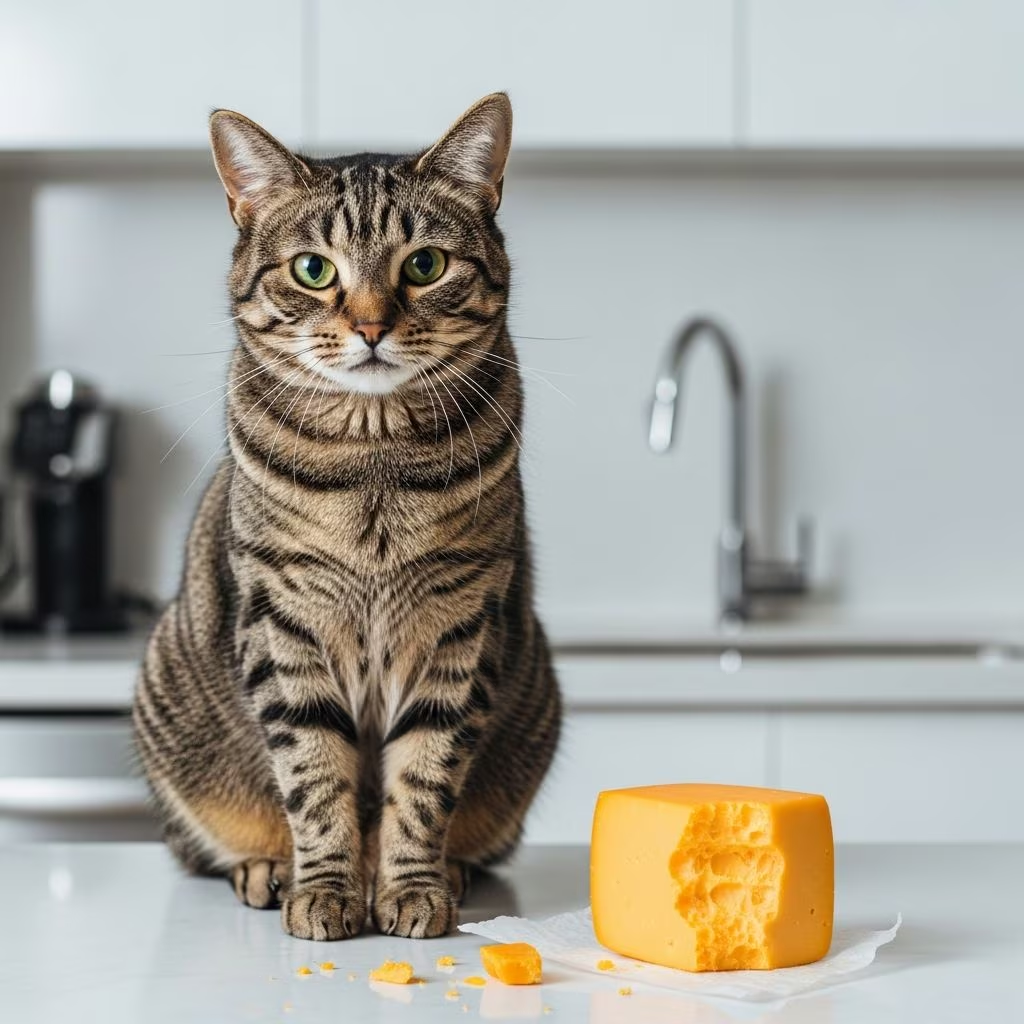
Cheese is a popular human snack, but when your cat sneaks a bite, it can lead to worry. Most cats are lactose intolerant, making dairy like cheese hard to digest and potentially causing gastrointestinal upset. This comprehensive guide explains the risks, symptoms to monitor, safe alternatives, and steps to take if your cat consumes cheese.
Can Cats Eat Cheese?
Cats are obligate carnivores, meaning their diet thrives on meat-based nutrients, not dairy. While cheese isn’t toxic, it’s not ideal for most cats due to lactose intolerance that develops after weaning. Kittens produce lactase to digest mother’s milk, but adults often lose this ability, leading to undigested lactose fermenting in the gut.
Small amounts of low-lactose cheese might be tolerated by some cats, but many experience issues. Cheese offers protein and calcium, but these are better sourced from cat food. Overfeeding cheese risks obesity, as a one-ounce cheddar cube equals excessive calories for a 10-pound cat.
Is Cheese Bad for Cats?
Cheese can be problematic for several reasons:
- Lactose Intolerance: Affects most adult cats, causing diarrhea, vomiting, gas, and bloating within 8-12 hours.
- Dairy Allergies: Rare (0.05% of cats), but can trigger skin issues, gut problems, or anaphylaxis.
- High Fat and Sodium: Leads to weight gain, pancreatitis, or hypertension.
- Additives: Garlic, onions, or chives in flavored cheeses are toxic, damaging red blood cells.
Soft cheeses like cream cheese or cottage cheese have higher lactose, worsening risks. Hard cheeses like cheddar or parmesan have less, but moderation is key.
How Much Cheese Can Cats Eat?
Limit cheese to a dice-sized piece (about 1/4 inch cube) no more than once or twice weekly. Break it into smaller bits to prevent gulping. Always monitor for reactions, especially in cats with health issues like diabetes, IBD, or kidney disease.
| Cheese Type | Lactose Level | Safety for Cats | Notes |
|---|---|---|---|
| Cheddar/Swiss (Hard) | Low | Occasional treat | Monitor for upset |
| Parmesan | Very Low | Safer option | Small amounts only |
| Goat Cheese | Lowest | Best tolerated | Check for additives |
| Cream/Cottage | High | Avoid | High GI distress risk |
| Cheesecake/Crackers | High + Additives | Toxic/Not Safe | Sugar, fats, toxins |
Safe Cheese Alternatives for Cats
Opt for commercial cat treats mimicking cheese flavor without dairy. Plain, cooked meats like chicken or fish provide protein safely. Lactose-free cat milk exists, but consult your vet. Probiotics support gut health post-dairy exposure.
My Cat Ate Cheese: What Now?
If your healthy cat ate a small amount, monitor at home. Watch for 24-48 hours. Contact your vet if symptoms appear or for cats with pre-existing conditions.
Symptoms to Watch For
- Vomiting or diarrhea
- Lethargy or reduced appetite
- Abdominal pain (hunching, sensitivity)
- Gas, bloating, or foul stool
- Dehydration (dry gums, sunken eyes)
Severe signs like bloody stool, seizures, or collapse require immediate vet care. Call ASPCA Poison Control (888-426-4435) or Pet Poison Helpline (855-764-7661) for toxic additives.
When to See a Vet After Cat Eats Cheese
Seek professional help if:
- Symptoms persist beyond 24 hours
- Cat is kitten, senior, or has chronic illness
- Large quantity consumed
- Soft/high-lactose cheese involved
Vets may provide anti-nausea meds, fluids, or nutritional support. Severe cases risk hepatic lipidosis from not eating.
Treatment if Your Cat Ate Cheese
Mild cases resolve with withholding food 12-24 hours, then bland diet (boiled chicken/rice). Hydrate with water or electrolyte solutions. Hospitalization for IV fluids, pain meds, or antibiotics if bacterial complications arise.
Recovery involves quarantine, probiotics, and follow-up checks. Prescription GI diets aid healing.
Preventing Cheese Mishaps
Store cheese securely. Train with commands like “leave it.” Offer cat-safe snacks. Educate household on feline diet needs.
FAQs
Can all cats eat cheese?
No, most are lactose intolerant. Test small amounts and monitor.
What if my cat ate a lot of cheese?
Watch closely; call vet if symptoms develop. Large amounts increase upset risk.
Is parmesan cheese safe for cats?
Low lactose makes it safer in tiny bits, but not daily.
Can cheese kill my cat?
Not directly, but severe reactions or toxins in flavored cheese can be dangerous.
How long do cheese symptoms last in cats?
Usually 12-48 hours for mild cases; vet if longer.
References
- Food Poisoning in Cats — PetMD. 2023. https://www.petmd.com/cat/conditions/digestive/food-poisoning-cats
- Can Cats Eat Cheese? — PetMD. 2023. https://www.petmd.com/cat/nutrition/can-cats-eat-cheese
- Can Cats Eat Cheese? Here’s Everything You Need to Know — Pawlicy Advisor. 2023. https://www.pawlicy.com/blog/can-cats-eat-cheese/
- Cat Ate Parmesan Cheese — DiaLaVet. 2023. https://www.dialavet.com/vet-answers/post/cat-ate-parmesan-cheese-50029
- What Cats Cannot Eat | Toxic Foods for Cats — Embrace Pet Insurance. 2023. https://www.embracepetinsurance.com/waterbowl/article/what-cats-cannot-eat-toxic-foods



