

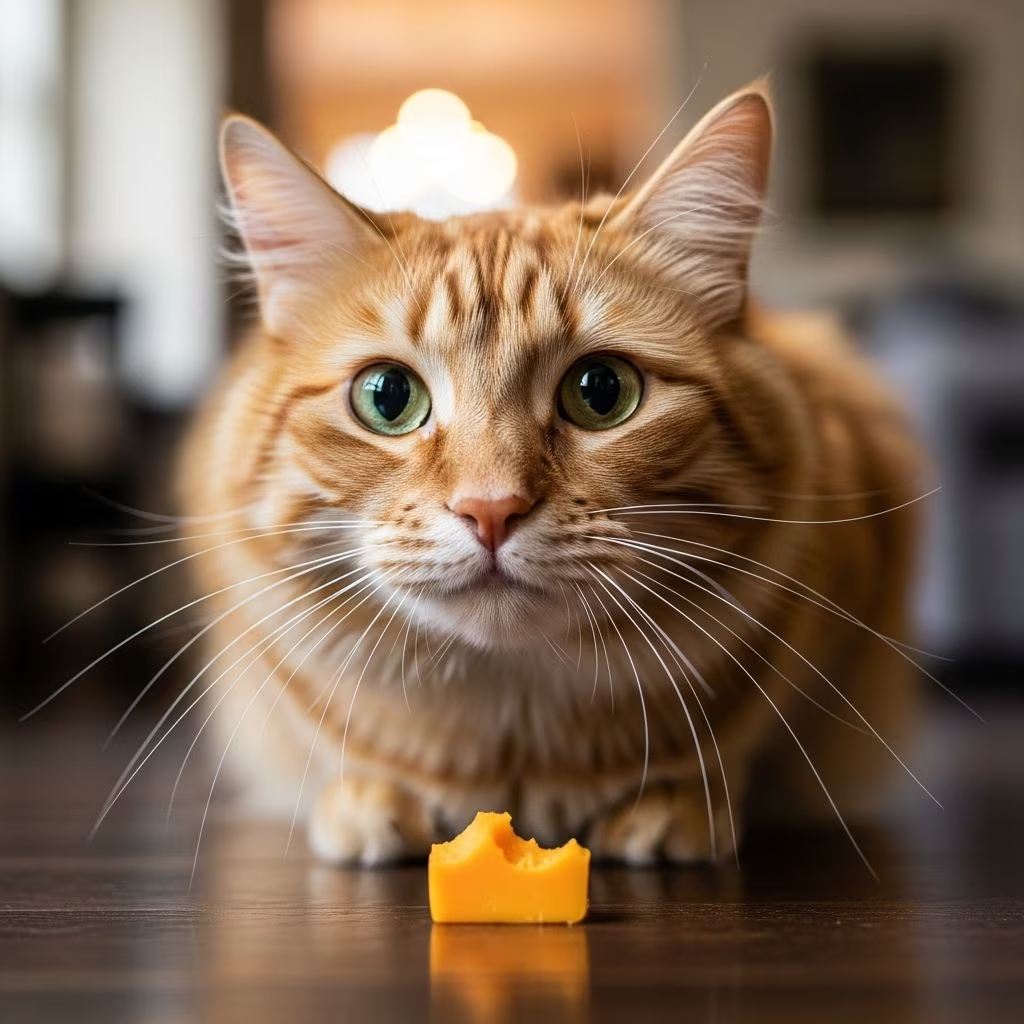
Cats are naturally curious explorers, often sneaking tastes of human foods during their adventures around the home. Cheese, a popular treat for people packed with flavor and nutrients, frequently catches their eye. But is it safe for cats? While cheese is not toxic to felines, it’s generally not recommended due to potential health risks.
Most cats lack the enzyme lactase needed to digest lactose after weaning, leading to issues like diarrhea and vomiting. A small nibble might pass unnoticed in healthy cats, but larger amounts or sensitive individuals can face gastrointestinal distress, high salt intake, or fat overload. This guide covers why cheese poses problems, what happens if your cat indulges, immediate actions, safer feeding methods, and alternatives.
Why Is Cheese Bad for Cats?
Cheese tempts many cats with its smell and texture, but several components make it problematic for feline digestion and health. Understanding these helps owners respond appropriately if their cat sneaks a bite.
Lactose Intolerance
The primary concern is **lactose intolerance**, affecting most adult cats. Kittens produce lactase to break down milk sugars, but levels drop post-weaning, leaving lactose undigested. It ferments in the gut, causing gas, bloating, diarrhea, and vomiting—symptoms often appearing 8-12 hours after consumption. According to veterinary sources, while some cats tolerate tiny amounts, many experience discomfort, emphasizing cheese’s unsuitability as a regular treat.
High Fat Content
Cheese is calorie-dense and fatty, which can lead to **pancreatitis** or obesity in cats. As obligate carnivores, cats derive little nutritional value from dairy fats, and excess can upset their sensitive stomachs or contribute to weight gain over time. Hard cheeses like cheddar pack even more fat, amplifying risks for overweight or health-compromised cats.
Salt
**Salt** enhances cheese flavor for humans but harms pets. High-sodium cheeses can cause excessive thirst, dehydration, or salt poisoning in large quantities, manifesting as lethargy, tremors, or seizures. Veterinary advice stresses checking labels, as processed varieties often exceed safe feline limits.
Starter Culture and Rennet
Beneficial bacteria and enzymes like rennet flavor cheese but lack data on feline effects. As proteins, they’re likely digestible in small doses without major issues, though unstudied impacts mean caution is warranted.
Is Cheese Safe for Cats?
Per the University of Missouri, cheese can be a safe occasional treat in moderation for healthy cats without lactose issues or conditions. Small amounts—think a fingertip-sized piece—rarely cause harm in tolerant felines. However, risks outweigh benefits for most, especially those with sensitivities. Veterinary consensus: cheese isn’t inherently toxic but poor as a dietary staple.
- Healthy cats: May handle pea-sized portions fine.
- Sensitive or ill cats: Avoid entirely to prevent complications.
Individual tolerance varies; some cats devour cheese unscathed, others react poorly. Always prioritize vet input over assumptions.
Should Cats Eat Cheese?
Ideally, no—cheese offers no essential nutrients cats can’t get from balanced diets and poses unnecessary risks. Safer treats exist, but if offering cheese, select wisely:
| Cheese Type | Lactose Level | Salt/Fat | Safety for Cats |
|---|---|---|---|
| Goat Cheese | Low | Lower salt | Safest option; small amounts OK |
| Parmesan (Hard) | Very Low | High salt | Tolerable in tiny bits; monitor |
| Cheddar | Moderate | High fat/salt | Riskier; avoid large pieces |
| Cream Cheese | High | High fat | Not recommended |
| Blue Cheese | Moderate | Mold risk | Potentially toxic; never give |
Avoid moldy, flavored (e.g., garlic-infused), or high-lactose soft cheeses. Even ‘safe’ types should be occasional, comprising under 10% of calories.
Symptoms to Watch If Your Cat Ate Cheese
Monitor for 24-48 hours post-incident. Mild cases resolve alone; severe ones need vet care.
- Digestive: Diarrhea, vomiting, gas, bloating.
- Behavioral: Lethargy, appetite loss.
- Severe (call vet): Persistent vomiting, bloody stool, tremors, seizures from salt.
Dehydration risks rise with fluid loss; ensure water access.
What Should You Do If Your Cat Ate Cheese?
Stay calm—panic induces stress. Follow these vet-approved steps:
- Assess amount: Tiny piece? Likely fine. Large chunk? Concern rises.
- Check label: Note lactose, salt, additives like garlic/onions (toxic).
- Monitor closely: Observe bathroom habits, energy, eating.
- Provide water: Encourage hydration to flush system.
- Call vet if: Symptoms appear, large ingestion, pre-existing conditions.
For mild upset, withhold food 12 hours, then bland diet (boiled chicken/rice). Severe? Seek immediate care for fluids, anti-nausea meds.
How to Safely Feed Cheese to Your Cat
If vet approves, proceed cautiously:
- Consult vet first: Review health history.
- Calculate portion: 5-10 calories max daily (e.g., 1g low-fat cheese).
- Prep properly: Low-lactose, low-salt; small cubes.
- Test small: One piece, watch 24 hours.
- Frequency: Once weekly max.
Never force-feed; make treats training rewards.
Healthier Treat Alternatives for Cats
Skip cheese for these vet-recommended options:
- Commercial cat treats (low-cal).
- Plain cooked meat (chicken, turkey).
- Fish (salmon, no bones).
- Catnip or silver vine.
- Freeze-dried liver bits.
Maintain 90% diet from complete food; treats prevent obesity.
Final Thoughts
A small cheese taste rarely harms healthy cats, but monitor diligently—contact vet for large amounts or symptoms. Prioritize lactose-free diets; cheese isn’t worth risks when superior alternatives abound. Proactive care keeps your feline thriving.
Frequently Asked Questions (FAQs)
Is cheese toxic to cats?
No, cheese isn’t poisonous, but lactose intolerance causes digestive upset in most cats. Small amounts are usually safe; large ones risky.
What if my cat ate a lot of cheese?
Watch for vomiting, diarrhea, lethargy. Call vet if symptoms persist or worsen; they may need fluids.
Can kittens eat cheese?
Kittens tolerate lactose better but still risk diarrhea. Stick to kitten formula/milk replacer.
Which cheese is best for cats?
Goat or hard parmesan (low lactose); avoid soft/moldy types. Consult vet.
How much cheese can a cat eat?
Tiny pieces (under 10 calories) occasionally; never daily. Portion per cat weight.
References
- My Cat Ate Cheese: Vet Approved Advice on What to Do — Catster. 2023. https://www.catster.com/nutrition/cat-ate-cheese-what-to-do/
- Food Poisoning in Cats — PetMD. 2024-01-15. https://www.petmd.com/cat/conditions/digestive/food-poisoning-cats
- Can Cats Eat Cheese? Here’s Everything You Need to Know — Pawlicy Advisor. 2024. https://www.pawlicy.com/blog/can-cats-eat-cheese/
- Is it safe for my cat if he stole a piece of parmesan cheese — Dial a Vet. 2024. https://www.dialavet.com/vet-answers/post/cat-ate-parmesan-cheese-50029
- Lactose Intolerance in Cats — Merck Veterinary Manual. 2023-05-01. https://www.merckvetmanual.com/cat-owners/disorders-affecting-multiple-body-systems-of-cats/lactose-intolerance-in-cats



