

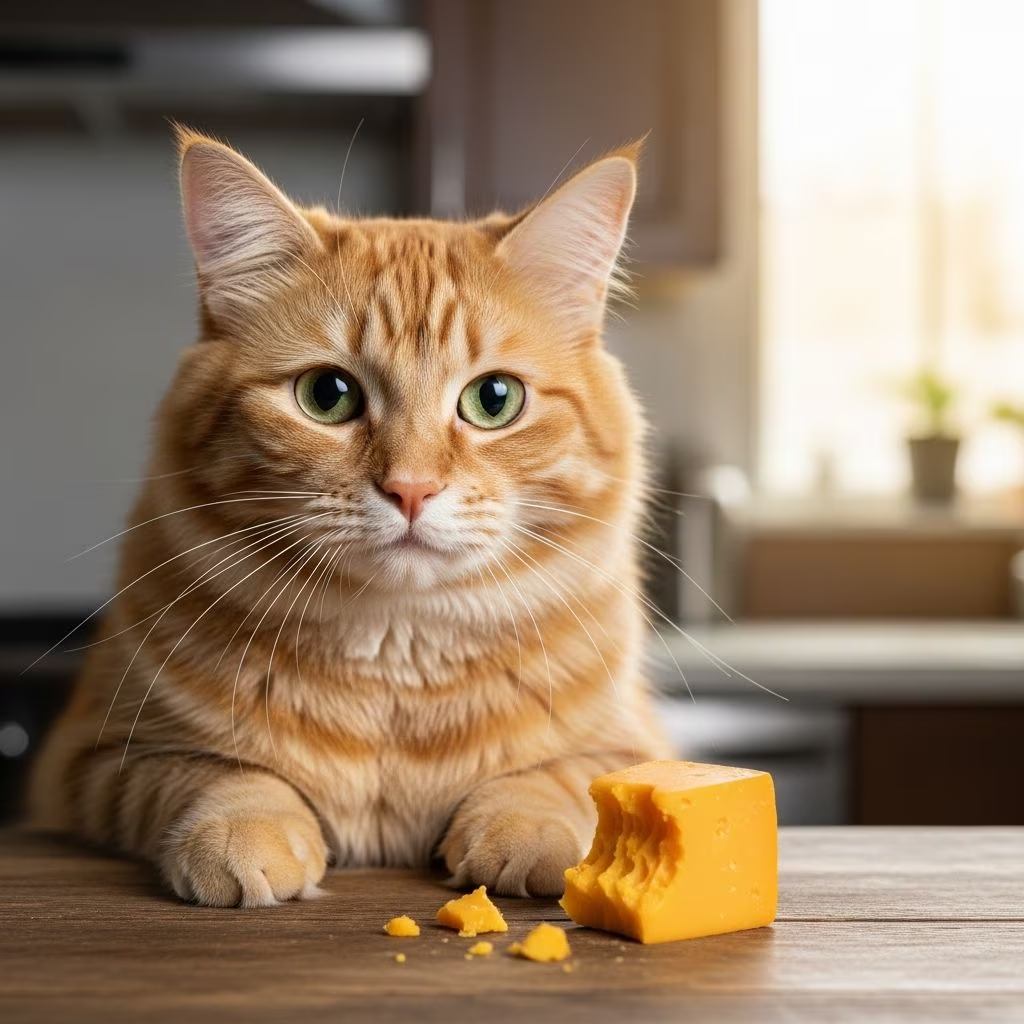
Cheese is a popular human snack, but when your cat sneaks a bite, it can lead to digestive concerns due to common lactose intolerance in felines. Most cats lack the enzyme lactase needed to break down lactose after weaning, potentially causing upset stomach, vomiting, or diarrhea. While small amounts are rarely dangerous for healthy cats, monitoring is essential, especially for those with pre-existing conditions.
Can Cats Eat Cheese?
Cats are obligate carnivores, meaning their diet thrives on meat-based nutrients, not dairy. Cheese offers protein and calcium but carries risks from high fat, calories, and lactose. Many adult cats—up to most—are lactose intolerant, leading to gastrointestinal issues after consumption.
- Lactose intolerance: Cats produce less lactase post-weaning, impairing lactose digestion and causing gas, bloating, diarrhea within 8-12 hours.
- Dairy allergies: Rare (0.05% of cats), but can trigger skin issues, gut problems, or anaphylaxis.
- Caloric density: A 1-ounce cheddar cube equals multiple cheeseburgers for a 10-pound cat, risking obesity.
- Sodium and additives: High salt and toxic ingredients like garlic or onions in flavored cheeses harm cats.
Hard cheeses like cheddar or Swiss have lower lactose than soft varieties, making them marginally better, but moderation is key—no more than a dice-sized piece 1-2 times weekly.
Types of Cheese and Cat Safety
Not all cheeses pose equal risks. Softer options with higher moisture retain more lactose, exacerbating issues.
| Cheese Type | Lactose Level | Safety for Cats | Notes |
|---|---|---|---|
| Cheddar/Swiss (Hard) | Low | Moderately Safe | Small amounts okay if tolerated; monitor for upset. |
| Cream Cheese | High | Unsafe | Triggers vomiting/diarrhea easily. |
| Cottage Cheese | High | Unsafe | High lactose; avoid sharing. |
| Goat Cheese | Lowest | Safest Option | Less salt/lactose; check for additives like garlic. |
| Parmesan (Hard) | Low | Moderately Safe | Digestible in tiny pieces; watch for upset. |
| Cheesecake/Cheese Crackers | High + Additives | Unsafe | Toxic extras like onions; high calories. |
Always read labels—avoid allium family ingredients (garlic, onions, chives) that cause anemia by damaging red blood cells.
Is Cheese Bad for Cats?
Cheese isn’t toxic but offers no unique nutritional benefits for cats, who get ample protein from meat. Risks outweigh rewards for regular feeding: weight gain shortens lifespan and invites diabetes, arthritis, or heart issues. Lactose undigested ferments in the gut, producing gas and loose stools. Allergic cats face itchiness, ear infections, or severe reactions. For obese, diabetic, or GI-sensitive cats, even tiny amounts warrant vet consultation.
My Cat Ate Cheese: What Should I Do?
Stay calm—most healthy cats handle small nibbles with minor or no issues. Steps include:
- Assess amount: Dice-sized? Monitor at home. Larger quantities or soft cheese? Contact vet promptly.
- Watch symptoms: Vomiting, diarrhea, lethargy, appetite loss, abdominal pain (hunching, meowing).
- Hydrate: Offer fresh water; withhold food 12-24 hours if vomiting, then bland diet (boiled chicken/rice).
- Call vet if: Symptoms persist >24 hours, blood in stool/vomit, dehydration (dry gums, sunken eyes), or pre-existing conditions.
Severe cases mimic food poisoning: hospitalization for IV fluids, anti-nausea meds, antibiotics if bacterial.
Symptoms to Watch For
Effects appear 8-12 hours post-ingestion. Common signs:
- Gastrointestinal: Diarrhea, vomiting, gas, bloating, nausea.
- Behavioral: Lethargy, hiding, reduced eating/drinking.
- Pain indicators: Abdominal tenderness, restlessness.
- Severe: Dehydration, sepsis (fever, rapid breathing)—emergency!
Quarantine affected cats during recovery to prevent spread if infectious; use probiotics or GI diets.
When to See a Vet
Proactive for at-risk cats (kittens, seniors, IBD, pancreatitis, diabetes). Seek immediate care for:
- Persistent vomiting/diarrhea >24 hours.
- Signs of dehydration or pain.
- Large ingestion or toxic additives.
- No improvement in 48 hours.
Vets may use fluids, nutrition support (feeding tubes for anorexia), pain relief, anti-emetics. Prognosis is good for mild cases; severe (sepsis) poorer.
How to Safely Feed Cheese to Cats
If tolerated, opt for hard, low-lactose varieties in micro-portions:
- Start tiny (pea-sized); observe 48 hours.
- Limit to 1-2x/week, <10 calories total.
- Break into bits to prevent gulping.
- Pair with play for mental stimulation.
- Stop at any upset; consult vet.
Better alternatives: commercial cat treats, freeze-dried meat, or vet-approved dairy-free chews.
Alternatives to Cheese for Cats
Ditch dairy for cat-specific goodies:
- Meaty treats: Chicken, tuna (low-sodium, water-packed).
- Commercial options: Lactose-free cat milk, dental chews.
- Homemade: Plain boiled meats/eggs (vet-approved).
- Veggies: Cooked pumpkin for fiber (small amounts).
These match feline carnivore needs without risks.
Preventing Cheese Mishaps
Secure counters, use lidded trash, train ‘leave it.’ Educate family on dangers. Opt for cat-safe kitchens.
Frequently Asked Questions (FAQs)
Can cats eat parmesan cheese?
Yes, in tiny amounts—low lactose aids digestion, but monitor for upset.
Is cream cheese safe for cats?
No, high lactose likely causes vomiting/diarrhea.
What if my cat ate a lot of cheese?
Monitor closely; call vet if symptoms appear, especially dehydration.
How much cheese can cats have?
Dice-sized max, 1-2x/week if tolerated.
Why do cats like cheese if it’s bad?
Fat/protein appeal, but lactose intolerance persists.
Can cheese kill cats?
Rarely directly; obesity or allergies pose long-term risks.
References
- Food Poisoning in Cats — PetMD. 2023. https://www.petmd.com/cat/conditions/digestive/food-poisoning-cats
- Can Cats Eat Cheese? — PetMD. 2023. https://www.petmd.com/cat/nutrition/can-cats-eat-cheese
- Can Cats Eat Cheese? Here’s Everything You Need to Know — Pawlicy Advisor. 2023. https://www.pawlicy.com/blog/can-cats-eat-cheese/
- Is it safe for my cat if he stole a piece of parmesan cheese — DiaLaVet. 2023. https://www.dialavet.com/vet-answers/post/cat-ate-parmesan-cheese-50029



