

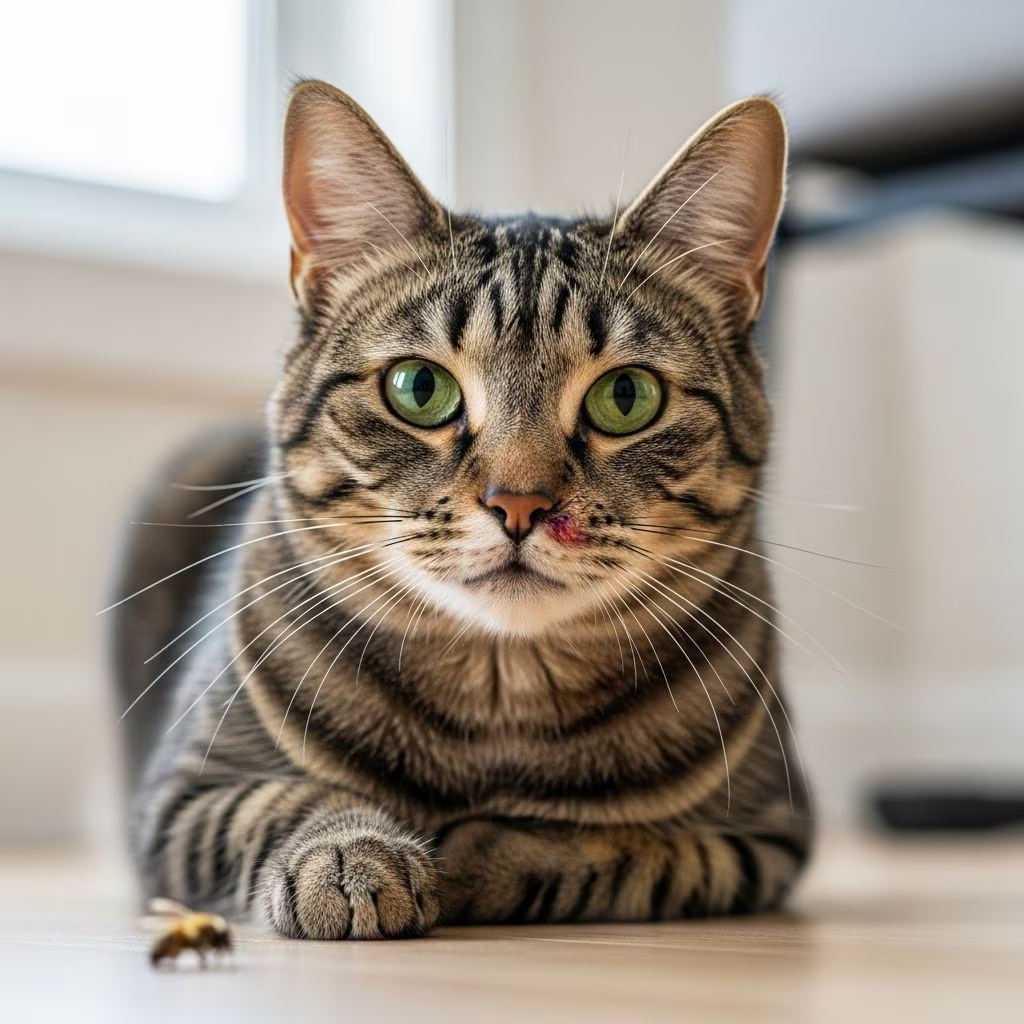
Cats are natural hunters, often chasing buzzing insects like bees during outdoor adventures or even indoors near windows. If your cat ate a bee, it might seem harmless at first since bees aren’t poisonous and can be digested if no sting occurs. However, there’s a high risk the bee stung your cat’s mouth, paw, or face during the encounter, leading to pain, swelling, or severe allergic reactions. Prompt action is crucial to prevent complications like anaphylaxis, which can be life-threatening.
This guide, drawing from veterinary expertise, outlines immediate steps, symptoms to watch, treatments, and prevention strategies. Knowing what to do can help your feline friend recover quickly and safely.
Why Do Cats Eat Bees?
Cats view bees as intriguing toys due to their erratic flight patterns and humming sounds, triggering their predatory instincts. Indoor cats might pounce on bees entering through screens, while outdoor explorers hunt them in gardens. Swatting or biting often results in a sting before the bee is swallowed. Honeybees, common culprits, leave barbed stingers that continue injecting venom, unlike wasps which typically don’t.
While eating a non-stinging bee poses no issue—bees pass through the digestive system uneventfully—a sting changes everything. Stings inside the mouth or throat are particularly dangerous due to rapid swelling that can obstruct airways.
Signs Your Cat Has Been Stung by a Bee
Observe your cat closely for 20-30 minutes post-incident, as reactions vary. Mild stings cause localized symptoms, while severe ones escalate quickly.
- Pawing at face or mouth: Common if stung on paw, lip, or tongue; indicates pain and irritation.
- Swelling: Red, puffy area around sting site, often on face, paws, or gums. Excessive facial swelling signals trouble.
- Drooling: Profuse saliva from mouth pain or swelling.
- Vomiting or diarrhea: Gastrointestinal upset from venom or stress.
- Lethargy or weakness: Unusual tiredness or hiding.
Signs of an Allergic Reaction
Allergic responses occur in hypersensitive cats, potentially within minutes or delayed up to 24 hours. Seek emergency care for:
- Difficulty breathing: Rapid, labored breathing, wheezing, or open-mouth gasping.
- Collapse or weakness: Sudden lethargy, disorientation, or fainting.
- Pale or blue gums: Indicates poor circulation or oxygen deprivation.
- Hives or widespread swelling: Beyond the sting site.
- Seizures or vomiting: Neurological or systemic involvement.
Anaphylaxis affects less than 1% of cases but requires immediate intervention, as per veterinary guidelines.
Steps to Take if Your Cat Ate a Bee
Act swiftly but calmly. Here’s a step-by-step first aid protocol.
1. Look Over Your Cat
Gently examine your cat’s mouth, paws, face, and body for stingers, swelling, or wounds. Use a flashlight for the mouth—stay safe to avoid bites from a pained cat. Note symptoms and time of incident.
2. Try to Remove the Stinger
If visible, scrape it out sideways with a credit card edge, fingernail, or dull knife—never squeeze or use tweezers, as this releases more venom. Honeybee stingers pump toxin post-detachment. Skip if not visible or cat resists.
3. Contact Your Vet
Call immediately, even for mild symptoms. Describe details; your vet may advise home care or a visit. For severe signs, head to an emergency clinic without delay.
4. Apply a Cold Pack
Wrap ice or frozen veggies in a towel; apply 5-10 minutes to reduce swelling and pain. Avoid direct ice to prevent burns. Reapply as tolerated en route to vet.
5. Don’t Give Any Medications Unless Recommended
Avoid human drugs. If approved, Benadryl (diphenhydramine only, 1mg/lb dose) helps mild allergies—but confirm with vet first.
6. Monitor Closely
Watch 24 hours for worsening. Use a cone or booties if licking wound; offer soft food/water if mouth-stung.
Treatment for Bee Stings in Cats
Vet care depends on severity.
| Severity | Treatments |
|---|---|
| Mild (localized swelling) | Antihistamines (e.g., diphenhydramine), anti-inflammatories, pain relief. Cold compress, cone for healing. |
| Severe (mouth/throat sting) | Epinephrine, corticosteroids, IV fluids, oxygen. Possible hospitalization 2-3 days. |
| Anaphylaxis | Emergency epinephrine, monitoring, blood/urine tests for organ damage. EpiPen for future. |
Most cats recover fully with prompt care. Multiple stings or allergies worsen prognosis if delayed.
Will My Cat Be Okay if They Ate a Bee?
Yes, if no sting or mild reaction—bees digest harmlessly. Stung cats usually bounce back post-treatment. Allergic cases or internal stings need urgent vet help but have good outcomes with fast action. Monitor post-recovery for reinstings.
Prevention Tips to Keep Bees Away from Cats
- Supervise outdoor time; use catios or leashes.
- Seal home entry points; use screens.
- Avoid sweet baits attracting bees indoors.
- Train “leave it” command.
- Landscaping: Plant bee-repelling herbs like mint, citronella.
Frequently Asked Questions (FAQ)
Will my cat be okay if they ate a bee?
If no sting, yes—bees aren’t toxic. Mild stings resolve with vet care; severe ones need prompt treatment for good prognosis.
How do I remove a bee stinger from my cat?
Scrape sideways with a credit card or fingernail; avoid pinching.
Can I give my cat Benadryl for a bee sting?
Only vet-approved dose (1mg/lb diphenhydramine); never without guidance.
What if my cat is stung in the mouth?
Emergency—swelling can block airways. Rush to vet.
How long does a bee sting last in cats?
Mild: 1-2 days; severe: few days with treatment.
Are wasps worse than bees for cats?
Wasps sting repeatedly without barbs; reactions similar, treat alike.
Bee encounters with cats are common but manageable with knowledge. Stay vigilant, act fast on symptoms, and consult vets promptly for peace of mind.
References
- First Aid for Insect Stings in Cats — VCA Animal Hospitals. 2023. https://vcahospitals.com/know-your-pet/first-aid-for-insect-stings-in-cats
- My Cat Ate a Bee! Here’s What to Do (Vet Answer) — Catster. 2024-05-15. https://www.catster.com/ask-the-vet/cat-ate-a-bee-what-to-do/
- What To Do If Your Dog or Cat Gets Stung By a Bee — Bhatt Vet Specialty. 2023-06-10. https://www.bhattvetspecialty.com/blog-veterinarian-care/what-to-do-if-your-dog-or-cat-gets-stung-by-a-bee
- Bee or Wasp Stings in Cats — Cats Protection. 2024. https://www.cats.org.uk/cats-blog/bee-or-wasp-stings-in-cats
- Bee and Wasp Stings in Cats — Joii Pet Care. 2023. https://www.joiipetcare.com/blogs/health-conditions/bee-and-wasp-stings-in-cats
- Cat Stung by a Bee? Here’s What To Do — Whisker (Litter-Robot). 2024-07-20. https://www.whisker.com/blog/cat-stung-by-a-bee



