

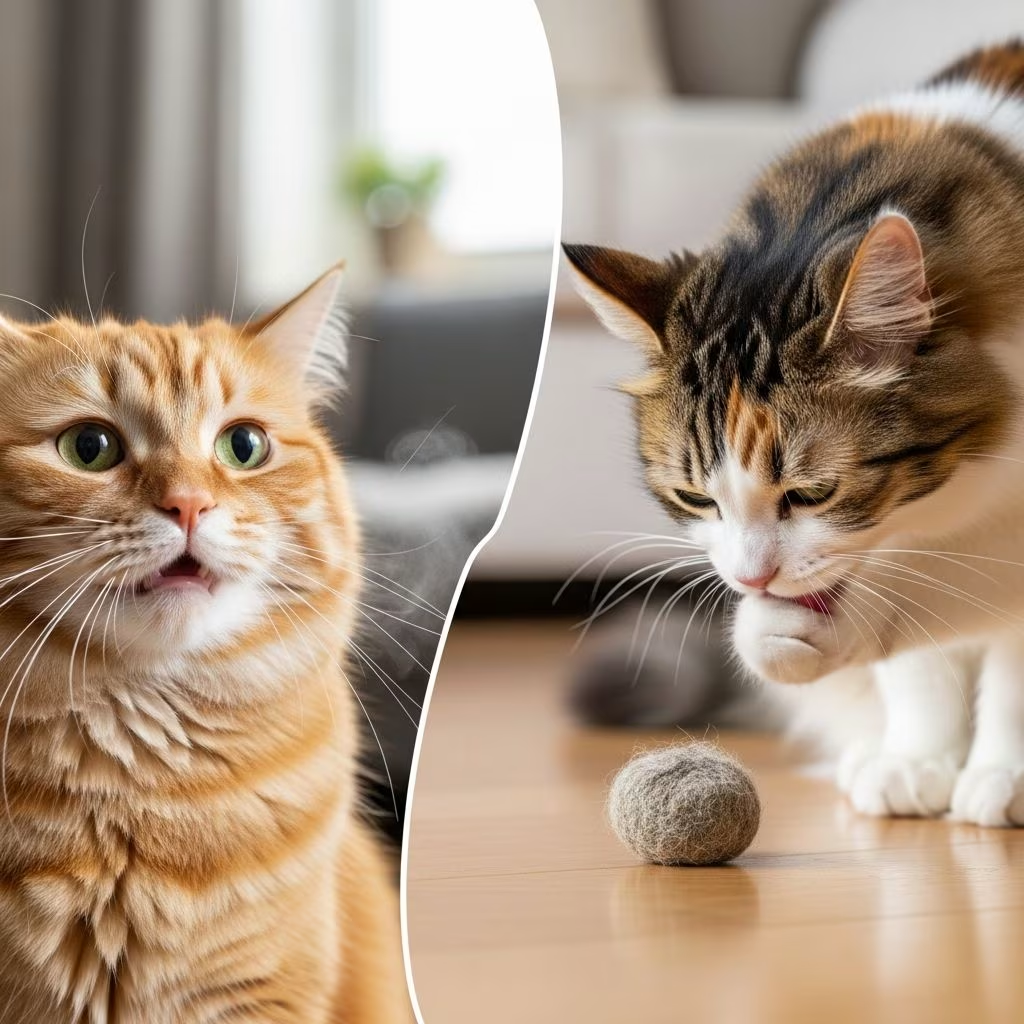
Many cat owners face the challenge of distinguishing between feline asthma and hairballs, as both can cause coughing that looks similar at first glance. Asthma affects the lungs through inflammation, while hairballs stem from fur buildup in the digestive system. Recognizing the differences through posture, sound, and outcomes is crucial for timely veterinary intervention.
Understanding Feline Asthma: A Respiratory Challenge
Feline asthma is a chronic inflammatory condition of the airways, often triggered by allergens like pollen, dust mites, smoke, or household scents. When a cat inhales these irritants, their airways narrow, leading to breathing difficulties. Unlike human asthma, which can be episodic, cat asthma tends to progress if unmanaged, potentially resulting in severe attacks.
This condition impacts approximately 1-5% of cats, with middle-aged felines most commonly affected. Environmental factors play a significant role, and stress can exacerbate symptoms, making consistent management essential.
Recognizing Symptoms of Cat Asthma
- Persistent Coughing: Dry, raspy coughs in short bursts, often without producing material, mimicking hairball attempts but unproductive.
- Wheezing and Noisy Breathing: High-pitched sounds during exhalation indicate narrowed airways.
- Labored Breathing: Rapid breaths over 35 per minute, open-mouth breathing, or abdominal heaving.
- Posture Changes: Cat hunches low with extended neck and straight back, remaining stationary.
- Other Signs: Lethargy, reduced appetite, blue-tinged gums in severe cases.
These symptoms can be intermittent, worsening seasonally or with exposure to triggers. Video recording episodes helps vets differentiate from other issues.
Hairballs in Cats: A Digestive Reality
Hairballs, or trichobezoars, form when ingested fur accumulates in the stomach, unable to pass fully through the intestines. Cats groom extensively, swallowing loose fur daily—up to 25% of their body weight yearly in long-haired breeds. Most fur passes naturally, but excess leads to cylindrical masses expelled via vomiting.
While common, frequent hairballs signal underlying problems like excessive grooming from boredom, allergies, or illnesses such as IBD or parasites.
Spotting Hairball Episodes
- Retching and Vomiting: Productive expulsion of tubular fur-mucus masses after gagging.
- Body Language: Arched back, striding or moving backward while retching.
- Frequency: Occasional (once monthly) is normal; more suggests issues.
- Associated Symptoms: If paired with diarrhea, weight loss, or lethargy, investigate further.
Cats often recover quickly post-expulsion, resuming normal behavior.
Critical Differences: Asthma Cough vs Hairball Retch
Differentiating relies on observation. Asthma involves lung spasms without vomit; hairballs yield fur evidence.
| Feature | Asthma Cough | Hairball Retch |
|---|---|---|
| Posture | Straight neck/back, hunched, stationary | Arched back, moving |
| Sound | Dry, raspy, wheezy | Wet gagging |
| Outcome | No expulsion | Fur/mucus tube |
| Duration/Frequency | Recurrent bursts, worsening | Single event, relief follows |
| Other Signs | Breathing distress, lethargy | Quick recovery |
Use this table for quick reference; consult a vet for confirmation.
Diagnostic Approaches for Accurate Identification
Veterinarians start with history and observation. For asthma, diagnostics include:
- Chest X-rays to reveal airway inflammation or hyperinflation.
- Blood tests for allergies or infections.
- Response to trial bronchodilators.
Hairballs may require fecal exams for parasites, ultrasound for obstructions, or endoscopy. Rule out megaesophagus or mega-colon if chronic.
Managing Feline Asthma Effectively
Asthma demands lifelong control focusing on inflammation reduction and trigger avoidance.
- Medications: Inhaled corticosteroids (e.g., fluticasone via AeroKat) preferred over oral to minimize side effects; bronchodilators like albuterol for attacks.
- Environment: HEPA filters, dust-free litter, no smoking, hypoallergenic bedding.
- Monitoring: Track episodes; adjust as needed.
Early intervention prevents progression; many cats thrive with treatment.
Strategies to Control and Prevent Hairballs
Prevention targets grooming and digestion.
- Grooming: Daily brushing, especially for longhairs, reduces ingestion.
- Diet: High-fiber foods or hairball formulas lubricate passage.
- Supplements: Malt pastes or petroleum-based laxatives (vet-approved).
- Hydration: Wet food encourages water intake for smoother transit.
Address root causes like allergies via elimination diets.
When to Seek Veterinary Help Urgently
Act immediately if:
- Coughing persists without hairball >24 hours.
- Breathing extremes: cyanosis, collapse.
- Frequent vomiting (>monthly), blood, or illness signs.
- No improvement post-management.
Emergency signs include extreme lethargy or respiratory distress.
Lifestyle Tips for Respiratory and Digestive Health
Holistic care benefits both:
- Reduce stress with play, pheromones.
- Maintain ideal weight to ease breathing.
- Regular vet checkups for early detection.
Frequently Asked Questions (FAQs)
Can hairballs cause asthma-like symptoms?
No, hairballs are gastrointestinal; asthma is respiratory. Confusion arises from cough similarity, but outcomes differ.
Is cat asthma curable?
No, but manageable with meds and environment changes for normal life expectancy.
How often are hairballs normal?
1-2 monthly; more warrants vet visit.
Are inhalers safe for cats?
Yes, when vet-prescribed; spacers like AeroKat ensure targeted delivery.
Does breed affect risk?
Siamese more asthma-prone; Persians for hairballs due to coat.
References
- Cat Asthma: What It Is, Symptoms, and Treatment — PetMD. 2023-10-15. https://www.petmd.com/cat/conditions/respiratory/cat-asthma
- Can Cats Have Asthma? — Hill’s Pet Nutrition. 2024-05-20. https://www.hillspet.com/cat-care/healthcare/cat-asthma-symptoms-treatment
- The Danger of Hairballs — Cornell University College of Veterinary Medicine. 2022-11-10. https://www.vet.cornell.edu/departments-centers-and-institutes/cornell-feline-health-center/health-information/feline-health-topics/danger-hairballs
- It’s Not a Hairball: Fear Free Management of Feline Asthma — Fear Free Happy Homes. 2023-08-05. https://www.fearfreehappyhomes.com/its-not-a-hairball-fear-free-management-of-feline-asthma/
- Recognizing a Cat Asthma Attack — Perry Animal Hospital. 2023-05-15. https://www.perryanimalhospital.com/site/blog/2023/05/15/recognizing-cat-asthma-attack



