

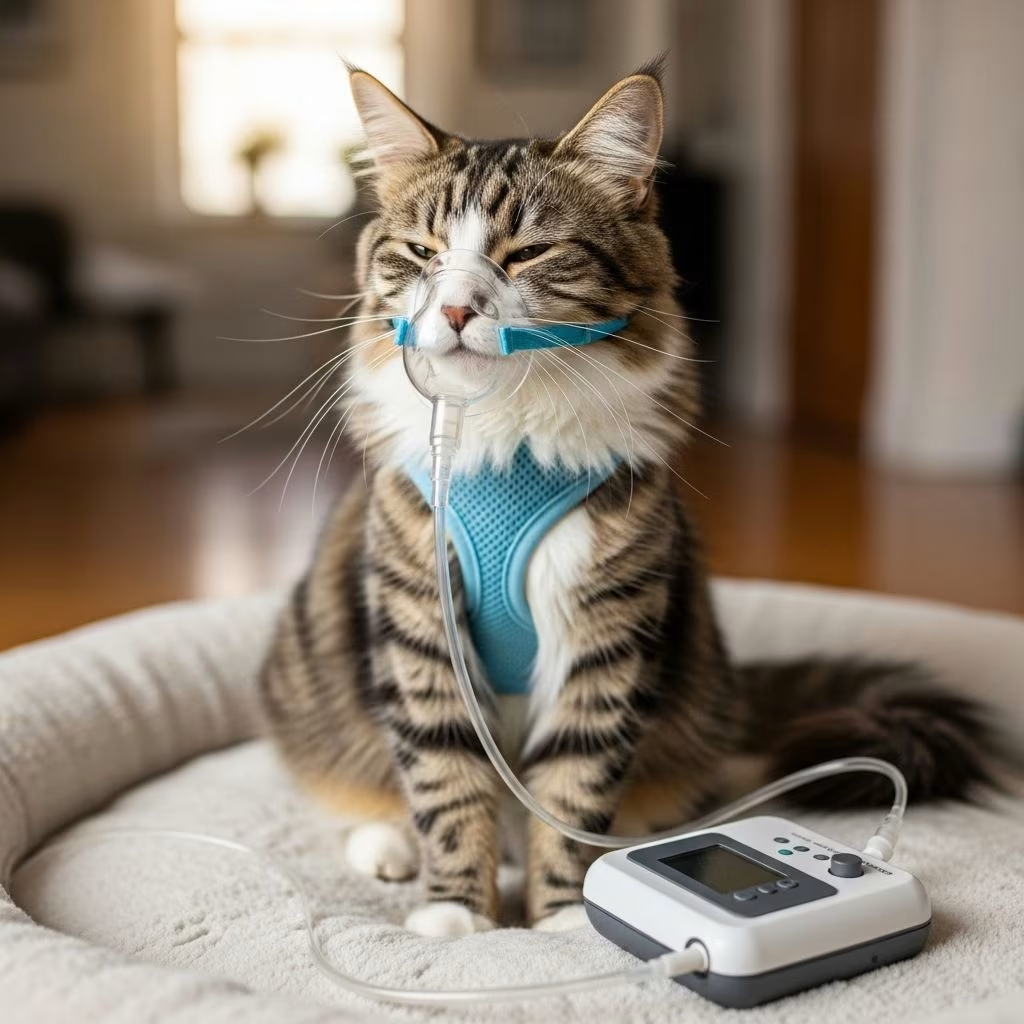
Feline asthma affects up to 5% of cats, causing breathing difficulties due to airway inflammation and bronchoconstriction. Treatment costs vary widely based on severity, location, and management approach, typically ranging from $200 to over $2,000 annually.
Recognizing Feline Asthma Symptoms
Early identification of cat asthma symptoms can prevent costly emergencies. Common signs include persistent coughing, wheezing, rapid or open-mouth breathing, and lethargy, often mistaken for hairballs or infections. Severe cases may involve cyanosis or collapse, necessitating immediate veterinary intervention.
- Coughing fits: Dry, hacking coughs that worsen at night or after activity.
- Labored breathing: Extended abdominal efforts during exhalation.
- Reduced activity: Cats hiding or avoiding play due to respiratory distress.
These symptoms prompt diagnostic evaluations, forming the first layer of expenses in asthma management.
Diagnostic Process and Associated Expenses
Confirming asthma requires ruling out other conditions like heart disease or parasites. Initial vet exams cost $50-$150, including history review and physical assessment.
Key diagnostics include:
- Chest radiographs: $100-$250 to visualize lung patterns and rule out pneumonia.
- Blood tests: $80-$200 for complete blood count and heartworm screening.
- Fecal analysis: $20-$50 to exclude parasites.
- Advanced imaging (CT/MRI): $500-$1,500 for complex cases, rarely needed initially.
Total diagnostic costs often total $300-$800, with rural areas cheaper than urban clinics. Owners should request estimates upfront to avoid surprises.
Primary Medications and Their Price Ranges
Core treatments target inflammation with corticosteroids and bronchoconstriction with bronchodilators. Inhaled forms are preferred for efficacy and reduced systemic effects.
| Medication Type | Form | Monthly Cost | Notes |
|---|---|---|---|
| Corticosteroids (e.g., Fluticasone) | Inhaled | $20-$50 | Daily use; minimal side effects. |
| Corticosteroids (e.g., Prednisolone) | Oral/Injectable | $10-$30 | Short-term or severe cases; monitor for diabetes risk. |
| Bronchodilators (e.g., Albuterol) | Inhaled | $15-$40 | Rescue use; as-needed. |
| Bronchodilators (e.g., Terbutaline) | Injectable/Oral | $20-$60 | Acute attacks; vet-administered initially. |
Human inhalers adapted for cats keep costs low, but vet prescriptions add $10-$20 per refill. Long-term, expect $300-$600 yearly on meds alone.
Delivery Devices: Inhalers and Spacers
Aerosol chambers like AeroKat or similar spacers ($50-$150 one-time purchase) are essential for inhaled meds, holding medication for 7-10 breaths per dose. Training cats takes patience: start with mask familiarization using treats and towels for restraint.
Steps for effective use:
- Shake inhaler and load into chamber.
- Secure mask over nose/mouth; confirm seal with flow indicator.
- Deliver dose and count 7-10 breaths calmly.
- Reward immediately to build positive association.
Replacement parts or new units every 1-2 years add $20-$50 annually. These devices reduce oral med needs, cutting long-term costs.
Emergency Care: What to Expect Financially
Acute attacks require rapid intervention: oxygen therapy ($100-$300), IV access, and rescue bronchodilators ($50-$150). Hospitalization with monitoring can exceed $1,000 per episode, including overnight stays at $200-$500/night.
Prevention through consistent therapy minimizes these events, potentially saving thousands yearly. Pet insurance covering 70-90% of emergencies offsets peaks, with premiums $20-$50/month.
Ongoing Veterinary Monitoring Costs
Quarterly rechecks ($50-$100 each) track progress via repeat x-rays ($100-$200) and adjust meds. Annual bloodwork ($100-$250) monitors steroid side effects like immunosuppression.
Estimated yearly monitoring: $400-$800, higher for severe cases needing monthly visits.
Home Management Strategies to Lower Costs
Environmental controls prevent flare-ups without added expense:
- Use low-dust, unscented litter ($20-$40/month).
- Install HEPA air purifiers ($100-$300 initial).
- Avoid smoke, perfumes, and stress triggers.
- Feed hypoallergenic diets if allergies suspected ($40-$80/month).
Supportive therapies like nebulization (home units $50-$150) or omega-3 supplements ($10-$20/month) complement meds, potentially reducing dosage needs.
Pet Insurance and Financial Assistance Options
Plans covering hereditary conditions like asthma reimburse diagnostics (80-90%) and meds (up to $5,000/year). Average annual premium: $240-$600, with deductibles $100-$500.
Non-profits like RedRover or CareCredit offer grants/loans for low-income owners. Bulk med purchases via online pharmacies (with vet approval) save 20-30%.
Long-Term Prognosis and Cost Trends
With adherence, 80% of cats achieve good control, limiting costs to $500-$1,500/year. Untreated cases escalate to $3,000+ in emergencies. Costs rise 5-10% yearly due to inflation, but generic meds and telehealth consults ($30-$60) help.
Frequently Asked Questions
How much does it cost to treat cat asthma initially?
Initial diagnosis and first-month treatment: $500-$1,500, including exams, imaging, and starter meds.
Are inhaled treatments cheaper long-term?
Yes, inhalers cost less overall than repeated injectables, with fewer side effects allowing lower doses.
Can diet help reduce asthma costs?
Hypoallergenic or omega-rich foods may lessen triggers, cutting med needs by 20-30% in responsive cats.
What if my cat refuses the inhaler?
Training with rewards takes 1-2 weeks; alternatives include oral meds or terbutaline shots ($20-$50/dose).
Does pet insurance cover feline asthma?
Most comprehensive plans do, excluding pre-existing conditions; shop for asthma-specific coverage.
References
- Feline Asthma in Cats: Symptoms, Treatment & Care — Bliss Animal Hospital. 2023. https://blissanimalhospital.com/blog/feline-asthma-treatment-orange-county-ca/
- Asthma in Cats: Acute and Long-Term Management Guidelines — Today’s Veterinary Practice. 2022-10-01. https://todaysveterinarypractice.com/respiratory-medicine/asthma-in-cats-management-guidelines/
- How To Use A Cat Inhaler To Treat Feline Asthma — Trudell Animal Health. 2024. https://trudellanimalhealth.com/blogs/blog/how-to-use-a-cat-inhaler-to-treat-feline-asthma
- Natural Remedies For Feline Asthma: Managing Your Cat’s Condition at Home — Trudell Animal Health. 2024. https://trudellanimalhealth.com/blogs/blog/natural-remedies-for-feline-asthma-managing-your-cat-s-condition-at-home
- Feline Asthma: What’s New and where might Clinical Practice be Headed? — PMC (NIH). 2024. https://pmc.ncbi.nlm.nih.gov/articles/PMC11148999/
- Feline Asthma: What You Need To Know — Cornell University College of Veterinary Medicine. 2023. https://www.vet.cornell.edu/departments-centers-and-institutes/cornell-feline-health-center/health-information/feline-health-topics/feline-asthma-what-you-need-know
- Feline Bronchial Asthma — Merck Veterinary Manual. 2024-05-01. https://www.merckvetmanual.com/respiratory-system/respiratory-diseases-of-small-animals/feline-bronchial-asthma



