

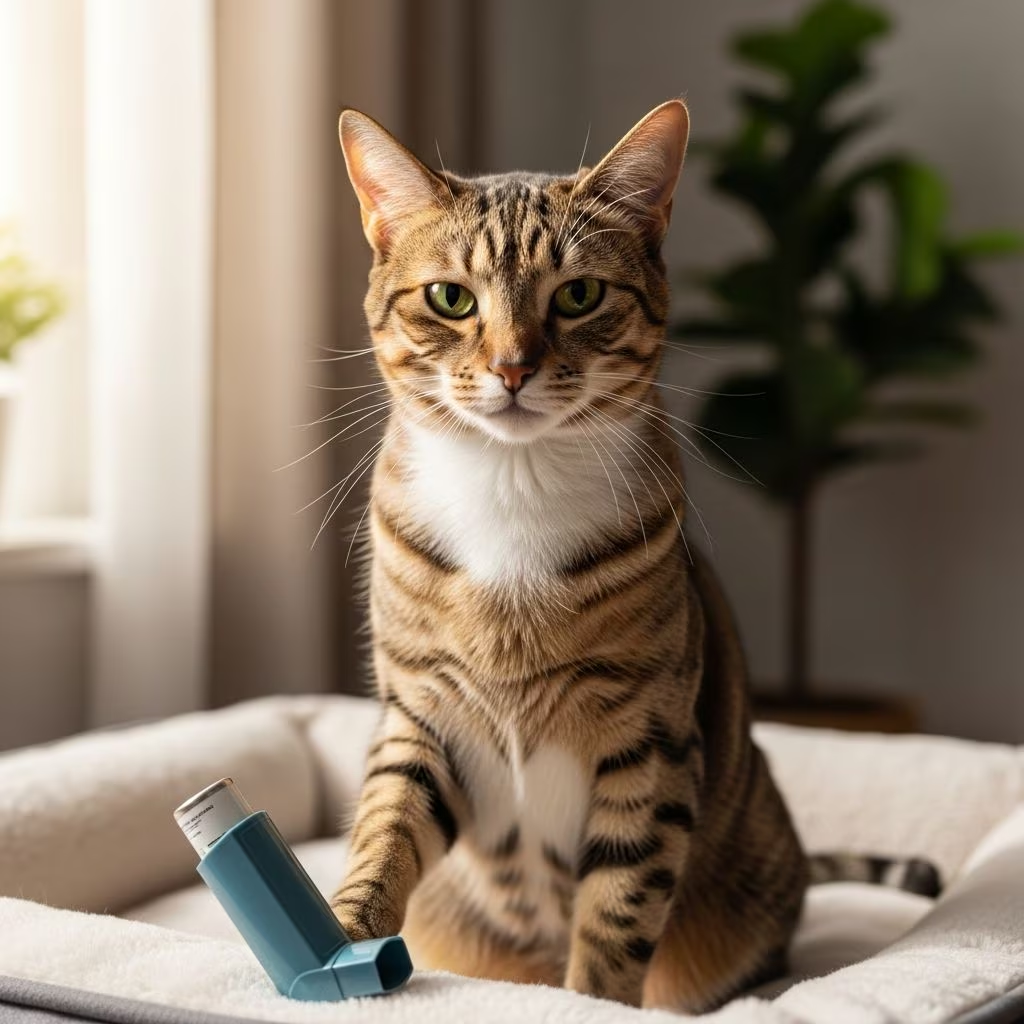
Understanding Feline Asthma: A Complete Guide to Symptoms and Treatment
Feline asthma is a chronic inflammatory condition affecting the airways of cats, causing difficulty breathing and other respiratory symptoms. Unlike many other conditions, asthma in cats is not curable but can be effectively managed with proper treatment and environmental modifications. Understanding the signs, causes, and available treatment options is essential for any cat owner dealing with this condition.
What is Feline Asthma?
Feline asthma develops when a cat’s immune system becomes hypersensitive to inhaled substances. When a susceptible cat encounters an allergen, their immune system produces specific antibodies to combat it. Upon subsequent exposure to these allergens, the antibodies recognize them and trigger a cascade of immune responses. Various immune cells rush to the airways, releasing substances that cause inflammation, irritation, swelling, and narrowing of the airways. Additionally, mucus can accumulate, further obstructing airflow, causing cats to struggle with breathing.
This condition affects cats of all breeds and ages, though certain breeds like Siamese and Himalayan cats have higher rates of asthma development.
Common Symptoms of Cat Asthma
Recognizing the signs of feline asthma is crucial for early intervention and effective management. The most likely symptom you’ll notice if your cat develops asthma is a persistent cough. However, cats with asthma may display various respiratory symptoms:
- Chronic coughing or hacking
- Increased breathing rate (tachypnea)
- Difficulty breathing or labored breathing
- Wheezing or whistling sounds during breathing
- Open-mouthed breathing
- Lethargy or reduced activity levels
- Vomiting or gagging
- Blue-tinged gums or tongue (in severe cases)
In most cases, your cat will start showing symptoms within minutes of exposure to the trigger that causes their asthma attack.
Identifying Asthma Triggers in Cats
The exact cause of feline asthma remains somewhat mysterious, but it’s generally thought to result from a combination of genetic and environmental factors. Understanding what triggers your cat’s symptoms is a key part of managing asthma effectively. Common allergens and triggers include:
- Cigarette smoke and fireplace smoke
- Dust mites and dusty cat litter
- Mold and mildew
- Pollen and grass
- Aerosol sprays and household cleaners
- Perfume and scented products
- Candle smoke
- Certain food allergens
- Increased stress levels
Additionally, respiratory infections caused by bacteria or viruses can worsen asthma symptoms, making breathing even more difficult for your pet. Several underlying conditions could contribute to the severity of your cat’s asthma attack, including pneumonia, obesity, parasites, pre-existing heart conditions, or genetic predisposition.
Diagnosis of Feline Asthma
A thorough veterinary evaluation is necessary to diagnose feline asthma accurately. Your veterinarian will review your cat’s medical history, perform a physical examination, and may recommend diagnostic tests such as chest X-rays or blood work to rule out other conditions. The clinical signs and your description of symptoms will help confirm the diagnosis. Your vet may recommend a thorough review of your home environment to identify and minimize potential triggers that could be affecting your cat’s respiratory health.
Treatment Options for Feline Asthma
While asthma is a chronic condition without a cure, it can be successfully managed with the right approach. Treatment focuses on reducing inflammation, minimizing triggers, and preventing acute flare-ups. The primary medications used to treat feline asthma include:
Corticosteroids
Corticosteroids are the cornerstone of asthma treatment because they reduce airway inflammation and mucus production. Also known as glucocorticoids, these medications are the primary choice prescribed to treat feline asthma. Inhaled steroids, such as fluticasone administered through a feline-specific inhaler, are often preferred because they deliver medication directly to the lungs with minimal systemic side effects. Oral or injectable steroids may be used in more severe cases or during the early stages of treatment.
Inhaled corticosteroids use smaller amounts of the drug and do not cause the same systemic side effects as oral or injectable steroids, making them a safer long-term option for managing your cat’s condition.
Bronchodilators
Bronchodilators help relax the muscles around the airways during acute episodes, making it easier for your cat to breathe. These medications expand airways that have become constricted and are an important medication in emergency situations. Bronchodilators are often referred to as rescue medication because they don’t treat the underlying inflammation that causes asthma. However, they provide rapid relief when your cat is in respiratory distress. Similar to corticosteroids, bronchodilators are available in inhaled forms that target the airways directly for rapid relief.
Bronchodilators are typically used alongside corticosteroids for comprehensive management and are not generally used on their own since they do not treat the inflammation that causes the asthma attacks.
Inhalers and Delivery Methods
Special inhalers, such as the AeroKat Feline Aerosol Chamber, are specifically designed for cats with asthma. When a cat breathes in, high doses of the steroid medication directly contact the airway where they exert a local anti-inflammatory effect. It is important to use an inhaler recommended by your veterinarian, as inhalers used by people will not work effectively for your cat.
These drugs can be prescribed by your veterinarian in the form of an injectable, oral medication, or inhaler, depending on your cat’s specific needs and preferences.
Environmental Management and Prevention
Reducing exposure to known triggers can greatly decrease the frequency and severity of asthma attacks. Environmental modification should be used in conjunction with long-term medications. Practical steps to minimize allergen exposure include:
- Using HEPA air filters throughout your home
- Choosing low-dust, unscented cat litter
- Avoiding aerosol sprays and household chemicals
- Maintaining a smoke-free environment
- Regularly replacing air filters
- Keeping the living area clean and dust-free
- Avoiding perfumes and scented products
- Maintaining a stress-free environment
Additionally, maintaining a healthy diet to reduce obesity, removing specific allergens once identified, and reducing stress can help prevent asthma attacks or alleviate asthma-like symptoms in your cat.
Long-Term Management Strategies
Either inhaled steroids or oral steroids are typically used to control your cat’s asthma long-term. Working closely with your veterinarian to establish a treatment plan that works best for your individual cat is essential. Regular monitoring and follow-up appointments help ensure that the medication dosage is appropriate and that your cat’s condition is well-controlled.
Allergy testing can be used to help determine which specific allergens are most problematic for your cat, allowing for more targeted environmental modifications. This information helps you create a safer living space and reduces unnecessary allergen exposure.
Alternative and Supportive Treatments
Some other natural and alternative treatments may include allergy desensitization, omega-3 fatty acids, and medications to decrease the likelihood of inflammation. However, these treatments are considered experimental and have not been proven effective for cat asthma, so discuss any alternative approaches with your veterinarian before implementation.
When to Seek Emergency Care
In severe cases, your cat may experience acute asthma attacks that require immediate veterinary attention. Signs of a severe asthma emergency include extreme difficulty breathing, open-mouthed breathing, blue-tinged gums or tongue, lethargy, or collapse. If you notice these signs, contact your veterinarian or emergency animal hospital immediately. Having a rescue bronchodilator on hand, as prescribed by your veterinarian, can provide emergency relief while you seek professional medical care.
Frequently Asked Questions About Cat Asthma
Q: Is cat asthma curable?
A: No, feline asthma is not curable, but it can be successfully managed with proper treatment and environmental modifications. Most cats with asthma can live normal, healthy lives when their condition is well-controlled with appropriate medications and trigger avoidance.
Q: How often should my cat use asthma medications?
A: This depends on your individual cat’s condition and your veterinarian’s recommendations. Most cats require daily inhaled corticosteroids for long-term control, while bronchodilators are used as needed during acute episodes. Always follow your veterinarian’s dosing instructions precisely.
Q: Can diet affect my cat’s asthma?
A: Yes, maintaining a healthy diet to reduce obesity can help decrease asthma symptoms. Additionally, certain food allergens may trigger asthma attacks in some cats. Work with your veterinarian to identify any food-related triggers specific to your cat.
Q: What are the side effects of asthma medications?
A: Inhaled medications have minimal side effects because they target the airways directly with lower doses. Oral or injectable steroids may have more systemic side effects with long-term use, which is why inhaled forms are typically preferred. Discuss potential side effects with your veterinarian.
Q: How can I help my cat during an asthma attack?
A: Keep your cat calm and in a safe, stress-free environment. Administer bronchodilator medication as prescribed by your veterinarian. If your cat shows signs of severe distress or doesn’t improve, seek emergency veterinary care immediately.
Q: Is obesity related to feline asthma?
A: Yes, obesity can contribute to the severity of asthma attacks in cats. Maintaining a healthy weight through proper diet and exercise can help reduce symptoms and improve your cat’s overall respiratory health.
References
- Feline Asthma in Cats: Symptoms, Treatment & Care — Bliss Animal Hospital. https://blissanimalhospital.com/blog/feline-asthma-treatment-orange-county-ca/
- Paws and Breathe: Recognizing and Treating Feline Asthma — Aurora Veterinary Medical Center. https://www.auroravet.com/services/cats/blog/paws-and-breathe-recognizing-and-treating-feline-asthma
- Cat Asthma: What It Is, Symptoms To Look For, And How To Treat It — Trudell Animal Health. https://trudellanimalhealth.com/blogs/blog/cat-asthma-what-it-is-symptoms-to-look-for-and-how-to-treat-it
- Understanding Feline Asthma — University of Missouri Veterinary Health Center. https://vhc.missouri.edu/small-animal-hospital/small-animal-internal-medicine/diseases-and-treatments/understanding-feline-asthma/
- Cat Asthma: Signs, Causes, Treatments, and More — WebMD Pets. https://www.webmd.com/pets/cats/asthma-symptoms-cats
- Feline Asthma: What You Need To Know — Cornell Feline Health Center, College of Veterinary Medicine, Cornell University. https://www.vet.cornell.edu/departments-centers-and-institutes/cornell-feline-health-center/health-information/feline-health-topics/feline-asthma-what-you-need-know



