

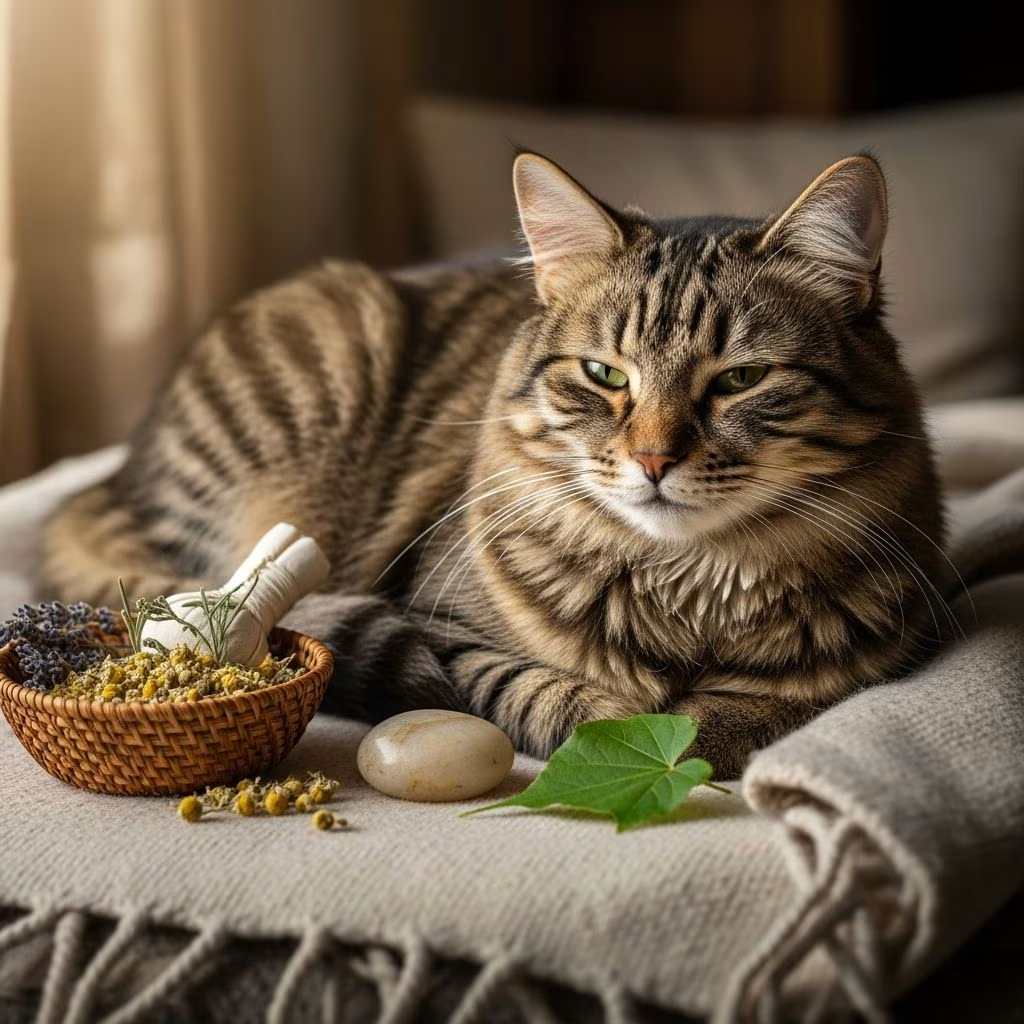
Cat asthma, a common respiratory condition affecting many felines, causes inflammation and narrowing of the airways, leading to wheezing, coughing, and labored breathing. While conventional treatments like corticosteroids and bronchodilators are effective, many cat owners seek natural alternatives to minimize side effects and support overall health. This article explores proven natural remedies, holistic therapies, dietary adjustments, and environmental changes to manage feline asthma effectively. Always consult your veterinarian before implementing any new treatment to ensure it’s safe for your cat’s specific condition.
What Is Cat Asthma?
Feline asthma is a chronic inflammatory disease of the lower airways, similar to human asthma, triggered by allergens like pollen, dust, smoke, or mold. It results in bronchoconstriction, mucus production, and airway inflammation, causing symptoms such as open-mouth breathing, coughing that mimics hairballs, lethargy, and rapid breathing. According to veterinary guidelines, asthma affects up to 5% of cats, often Siamese breeds, and requires lifelong management. Early diagnosis via chest X-rays, blood tests, or bronchoscopy is crucial, as untreated asthma can lead to severe attacks or secondary infections.
Natural treatments focus on reducing inflammation, strengthening the immune system, and eliminating triggers rather than just suppressing symptoms. These approaches complement conventional care, potentially reducing reliance on medications like inhaled fluticasone or oral prednisolone.
Conventional vs. Natural Treatments for Cat Asthma
Conventional treatments include corticosteroids to reduce airway inflammation and bronchodilators like albuterol for acute attacks. While effective, long-term steroid use can cause side effects such as diabetes, weakened immunity, or weight gain. Natural remedies offer a gentler alternative by addressing root causes like inflammation and allergies.
| Treatment Type | Pros | Cons |
|---|---|---|
| Conventional (Steroids/Bronchodilators) | Fast relief for acute attacks; vet-prescribed | Side effects; lifelong dependency |
| Natural (Diet/Supplements) | Fewer side effects; holistic support | Slower results; requires consistency |
An integrative approach combining both yields the best outcomes, as supported by holistic veterinary practices.
Environmental Management for Cat Asthma
Reducing environmental triggers is the foundation of natural asthma management. Common irritants include dust, smoke, litter dust, cleaning products, pollen, and mold. Creating a low-allergen home can significantly decrease attack frequency.
- Improve Air Quality: Use HEPA air purifiers and dehumidifiers to filter allergens and control humidity below 50% to prevent mold growth. Monitor outdoor air quality via apps and keep windows closed during high-pollution days like wildfires.
- Litter Box Solutions: Switch to low-dust, hypoallergenic litters such as compressed paper pellets, corn-based, or silica crystal litters free from perfumes and plant proteins. Provide one more litter box than the number of cats in quiet, accessible locations.
- Eliminate Irritants: Ban smoking indoors, avoid scented candles, air fresheners, and harsh cleaners. Use natural, non-toxic products like vinegar solutions for cleaning.
- Ventilation and Stress Reduction: Ensure good airflow with fans or open windows (when safe). Create quiet retreat spaces with comfortable beds and toys to minimize stress, a known asthma exacerbator.
These changes alone can reduce symptoms by up to 50% in mild cases, per holistic vet reports.
Dietary Changes for Feline Asthma
Diet plays a pivotal role in reducing inflammation. Grain-free, anti-inflammatory diets rich in omega-3 fatty acids support respiratory health and immune function.
- Omega-3 Sources: Incorporate oily fish like sardines, salmon, trout, or freeze-dried krill. These provide EPA and DHA to combat airway inflammation.
- Seaweed and Low-Carb Foods: Add seaweed for its anti-inflammatory polysaccharides and immune-boosting properties. Avoid grains (corn, wheat, rice), preservatives, and high-carb foods that promote inflammation.
- Recommended Diets: Opt for grain-free canned, freeze-dried, raw, or dehydrated foods over dry kibble, which generates dust and may contain allergens.
Transition slowly over 7-10 days to prevent digestive upset. Many cats show improved breathing within weeks of dietary shifts.
Supplements and Herbal Remedies
Vet-formulated supplements target inflammation, mucus reduction, and lung function. Use daily for best results.
- Fish Oil/Hemp Seed Oil: Rich in omegas 3, 6, and 9, these reduce swelling and support immunity. Dose: 250-500mg EPA/DHA daily, based on cat weight.
- CBD Oil: Interacts with the endocannabinoid system to lower stress, inflammation, and bronchospasm. Start with 0.5mg/kg twice daily; non-intoxicating and safe long-term.
- Probiotics: Balance gut and airway bacteria to decrease respiratory inflammation. Effective for all asthma severities.
- Chinese Herbs and Antioxidants: Formulas like those for clearing heat and resolving phlegm reduce allergies. Vitamins C, E, A bolster immunity.
- Respiratory Herbs: Ivy leaf extract, herbal blends (e.g., AmazaPet), or homeopathics support detoxification and open airways.
Consult a holistic vet for personalized dosing, especially with herbs.
Holistic Therapies for Cat Asthma
Beyond supplements, therapies like acupuncture, stress reduction, and hydrotherapy aid management.
- Acupuncture/Acupressure: Stimulates points to open airways and calm the nervous system. Sessions every 1-4 weeks show promise.
- Stress Management: Pheromone diffusers, calming treats, or massage reduce cortisol, which worsens asthma.
- Essential Oils (Caution): Use diffused only, like lavender for calming; never apply directly.
Holistic vets report 70-80% improvement in mild-moderate cases with consistent therapy.
When to See a Vet and Monitoring Progress
Natural remedies support but don’t replace emergency care. Seek immediate vet help for blue gums, collapse, or unrelenting attacks. Schedule annual check-ups, monitor breathing rate (normal: 15-30 breaths/min at rest), and track symptoms in a journal. Combine with meds if needed for severe cases.
Frequently Asked Questions (FAQs)
What are the first signs of asthma in cats?
Coughing (often mistaken for hairballs), wheezing, rapid/shallow breathing, lethargy, and blue-tinged gums during attacks.
Can cat asthma be cured naturally?
Not cured, but managed effectively to minimize symptoms and attacks with consistent natural strategies.
Is CBD safe for cats with asthma?
Yes, broad-spectrum CBD is safe and helps reduce inflammation and stress; vet-approved dosing recommended.
How long do natural remedies take to work?
1-4 weeks for noticeable improvement; full benefits in 1-3 months with daily use.
Can diet alone fix cat asthma?
Diet helps significantly but combine with environment and supplements for optimal results.
References
- Asthma in Cats: Acute and Long-Term Management Guidelines — Today’s Veterinary Practice. 2023-01-15. https://todaysveterinarypractice.com/respiratory-medicine/asthma-in-cats-management-guidelines/
- Holistic Support for Chronic Coughs and Asthma in Dogs and Cats — Only Natural Pet. 2024-05-20. https://www.onlynaturalpet.com/blogs/holistic-healthcare-library/holistic-support-for-chronic-coughs-and-asthma-in-dogs-and-cats
- Why an Integrative Approach for Asthma in Cats is the Best Option — Animal Wellness Magazine. 2023-11-10. https://animalwellnessmagazine.com/why-an-integrative-approach-for-asthma-in-cats-is-the-best-option/
- Cat Asthma Tips: Reduce Triggers and Support Breathing — Heartland Veterinary Centers IL. 2024-02-28. https://www.heartlandveterinaryil.com/services/cats/blog/managing-cat-asthma-simple-modifications-healthier-environment
- Respiratory Relief for Feline Allergies and Asthma — Dr. Elsey’s. 2023-08-15. https://drelseys.com/respiratory-relief-for-feline-allergies-and-asthma/



