
Cat Arthritis: Symptoms, Causes, and Treatment Options
Understanding feline arthritis: recognize symptoms, identify causes, and explore effective treatment options for your cat.
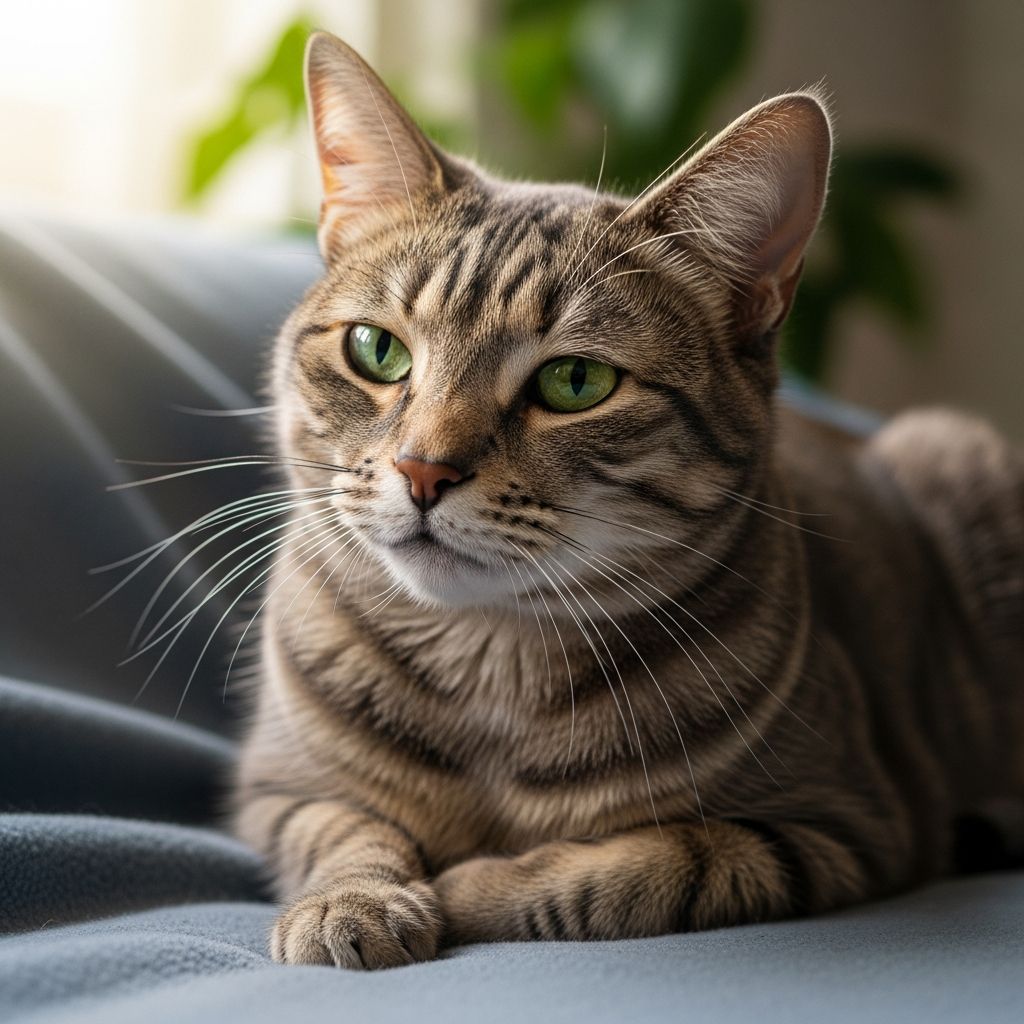
Understanding Cat Arthritis: A Comprehensive Guide to Symptoms, Causes, and Treatment
Arthritis in cats, medically known as osteoarthritis (OA), is a progressive joint disease that affects millions of feline companions worldwide. Unlike dogs, cats are remarkably adept at concealing signs of pain and discomfort, making it challenging for pet owners to recognize when their beloved companions are suffering from joint issues. This comprehensive guide explores the symptoms, causes, and treatment options available to help manage this common condition and maintain your cat’s quality of life.
What Is Cat Arthritis?
Cat arthritis occurs when the cartilage between a cat’s joints wears away due to age, injury, or other factors. This deterioration causes the bones to grind against each other, resulting in pain, inflammation, and reduced mobility. While arthritis is a chronic condition with no cure, there are numerous management strategies available to keep your cat comfortable and active.
The condition develops when the smooth cartilage that cushions the joints gradually deteriorates. As this protective layer diminishes, the underlying bone becomes exposed, leading to inflammation and pain. Cats of any age can develop arthritis, though it is significantly more common in felines who are at least 10 years old.
Recognizing the Symptoms of Cat Arthritis
Cats are notorious for hiding pain, which means arthritis symptoms can be subtle and easily overlooked by even attentive owners. Understanding the signs of joint disease is crucial for early detection and intervention.
Early and Mild Signs
In the early stages, arthritis symptoms may be so subtle that they go unnoticed. These include slight changes in gait, reluctance to jump or climb stairs, and a decreased desire to play. Your cat may also spend more time sleeping or resting than usual, appear less interested in grooming, or show subtle changes in their movement patterns.
Moderate Symptoms
As arthritis progresses, more noticeable signs emerge. Your cat may experience difficulty using the litter box, struggle with grooming activities, or show reluctance to jump on and off furniture. Some cats become increasingly reclusive, preferring to stay in one area rather than moving about the house.
Severe Symptoms
In advanced cases, severely arthritic cats may no longer hide their pain and display more obvious signs such as limping, significant gait changes, and visible joint abnormalities. Your cat may vocalize their discomfort, display behavioral changes, or show signs of depression.
Understanding the Causes of Feline Arthritis
Arthritis develops through multiple pathways, and understanding the underlying causes can help with prevention and early management. Several factors contribute to the development of osteoarthritis in cats.
Age and Wear and Tear
The most common cause of arthritis in cats is simply the aging process. As cats mature, the joints naturally weaken over time, and cartilage gradually wears away. Most commonly, arthritis is caused by wear and tear on the joints, affecting many older cats.
Joint Abnormalities and Genetic Factors
Abnormal joint formation causes affected joints’ bones to shift oddly, destroying cartilage and causing pain. Some cat breeds have an increased genetic predisposition to arthritis due to abnormal development of their cartilage or hips. This is most commonly seen in Maine Coon, Persian, Scottish Fold, and Siamese cats. Hip dysplasia and elbow dysplasia are significant contributors to early-onset arthritis.
Past Injuries
Fractures, dislocations, and soft tissue injuries in and around a joint can cause abnormal joint conformation, which leads to arthritis. Joint infections, ligament damage, and muscle injuries can also trigger the development of osteoarthritis later in a cat’s life.
Obesity and Body Condition
Extra weight places excess strain on a cat’s joints, and fat cells exacerbate the condition by producing chronic, low-grade inflammation throughout the body. While there is no definitive scientific evidence that obesity causes arthritis, it significantly worsens the condition and accelerates its progression. Maintaining a healthy body weight is one of the most important preventive measures against arthritis development.
Body Conformation
How a cat is built—their body conformation—influences their susceptibility to arthritis. Poor body conformation and structure can predispose cats to joint problems later in life.
Diagnosing Cat Arthritis
If you suspect your cat has arthritis, consulting with a licensed veterinarian is essential. Your veterinarian will perform a physical examination and may recommend radiographs (X-rays) to visualize the joints and confirm the diagnosis. Early diagnosis allows for timely intervention and more effective management of the condition.
Treatment Options for Cat Arthritis
There is no cure for arthritis, but the pain can be managed effectively with a combination of treatments tailored to your individual cat’s needs. A multi-modal therapy approach using combinations of non-pharmaceuticals, supplements, and prescription medication typically provides the best outcomes.
Medication-Based Treatments
Non-Steroidal Anti-Inflammatory Drugs (NSAIDs) are the most common treatment for cat arthritis. NSAIDs are prescribed by licensed veterinarians who help determine the duration and type of treatment appropriate for your cat. Common feline NSAIDs include meloxicam and Onsior, which are excellent at relieving pain and inflammation. These medications work by reducing inflammation and providing pain relief, helping your cat move more comfortably.
Pain Management Medication may be prescribed in cases where NSAIDs are not appropriate or insufficient. Additional pain relief options ensure your cat remains comfortable throughout the day.
Monoclonal Antibody Medication, specifically Solensia (frunevetmab), is a newer breakthrough treatment approved by the FDA in 2022. This medication is specifically designed to treat arthritis pain in cats and is often a first-choice treatment for feline arthritis. Solensia is administered as a monthly injection for long-term use and works by defending against a substance in the body that causes chronic pain. This treatment is particularly valuable because cats’ livers process medications slowly, making long-term use of traditional medications less ideal.
Amantadine is an additional medication option that may be prescribed to manage arthritis pain in cats.
Injectable Joint Protectants
Injectable joint protectants help relieve arthritic pain through injections of glycosaminoglycans administered every four weeks or so. These injections help protect remaining cartilage and support joint health.
Supplements and Dietary Support
Joint supplements help repair damaged cartilage and replenish joint fluid. Your veterinarian may advise a joint supplement or special diet for your cat alongside medication. These supplements contain beneficial ingredients like glucosamine and chondroitin that support joint health and reduce inflammation.
Physical Therapy and Rehabilitation
Physical therapy can be part of a long-term plan to manage your cat’s pain and has multiple goals including increasing a cat’s ability to move, rebuilding function and strength in muscles and joints, and improving balance. A rehabilitation specialist uses hands-on techniques to take your cat through exercises, such as passive range of motion (PROM) exercises that help improve stiff muscles, circulation, and retained fluid.
Different exercises can be used for different arthritis-related issues in cats. Physical rehabilitation is a discipline that translates physical therapy techniques from human medicine to animal patients, including therapeutic lasers, therapeutic exercises, joint mobilization, and hydrotherapy using an underwater treadmill.
Laser Therapy and Photobiomodulation
Cold laser therapy or photobiomodulation (PBMT) is a noninvasive and painless treatment that allows a veterinarian to move a small device that emits therapeutic light waves across your pet’s body. This type of treatment has been shown to ease pain and decrease inflammation. Laser therapy uses noninvasive laser light to penetrate tissue to promote healing and circulation while decreasing inflammation and pain.
Targeted Pulsed Electromagnetic Field (tPEMF) Therapy
This therapy reduces inflammation and pain by sending a signal into the tissue to trigger it to repair itself. Therapies using lasers or pulsing magnetic signals can help reduce a cat’s pain effectively.
Hydrotherapy and Water-Based Exercise
Exercises in water—such as an underwater treadmill or swimming—are used to improve a cat’s range of motion, strength, and mobility. The water helps reduce the impact on the joints, making movement easier and less painful. Not all cats will tolerate hydrotherapy, so work with your veterinarian to determine what options will be best for your cat.
Acupuncture
Although studies regarding acupuncture for cat arthritis are limited, some cats may benefit from it. Medical acupuncture can provide excellent pain relief for many cats with osteoarthritis. This ancient healing practice from Chinese medicine involves placing needles at specific points in the body to relieve pain and improve mobility.
Alternative Therapies
Other physical medicine disciplines like chiropractic care and medical massage may be helpful for managing arthritis symptoms in cats. These complementary approaches can be used alongside conventional treatments to enhance overall pain management.
Stem Cell Therapy
New stem cell therapy is becoming more readily available, with seemingly promising results. This innovative treatment involves removing fat from your cat and injecting the extracted stem cells back into your cat—either intravenously or directly into a joint or affected region—to decrease inflammation and pain.
Surgical Options
In some cases, surgery can help manage arthritis, though it is unlikely to restore perfect joints for life. Certain injuries might need surgery to be corrected, but surgery is typically considered when other treatment options have been exhausted.
Home Management and Environmental Modifications
Beyond medical treatments, making environmental changes to your home can significantly improve your arthritic cat’s comfort and quality of life. Providing easy access to food, water, and litter boxes at ground level reduces the need for jumping. Consider placing ramps or steps near favorite resting areas, using soft bedding for joint support, and maintaining a warm environment to ease joint stiffness.
Frequently Asked Questions About Cat Arthritis
Q: At what age do cats typically develop arthritis?
A: While arthritis can develop at any age, it is significantly more common in cats who are at least 10 years old. However, younger cats with genetic predispositions or previous injuries may develop arthritis earlier.
Q: Can arthritis be prevented in cats?
A: While arthritis cannot always be prevented, maintaining a healthy body weight, providing appropriate exercise, ensuring proper nutrition, and preventing injuries can significantly reduce the risk and slow progression of the disease.
Q: Is there a cure for cat arthritis?
A: There is no cure for arthritis, but there are plenty of ways you can keep your cat comfortable. With proper management and treatment, most cats can maintain a good quality of life despite having osteoarthritis.
Q: How often should my arthritic cat visit the veterinarian?
A: Cats should visit their veterinarian for regular checkups at least once a year. Cats with arthritis may benefit from more frequent visits, especially when adjusting medications or treatment plans.
Q: Can I give my cat over-the-counter pain medication?
A: Never give your cat medication without speaking to your veterinarian first. Many over-the-counter pain medications are toxic to cats, and prescription medications require proper dosing based on your cat’s specific condition.
Q: What breeds are predisposed to arthritis?
A: Maine Coon, Persian, Scottish Fold, and Siamese cats have an increased genetic risk of arthritis due to abnormal development of their cartilage or hips.
Conclusion
Cat arthritis is a common condition affecting many aging felines, but with early recognition and appropriate management, you can significantly improve your cat’s comfort and quality of life. By learning to recognize subtle symptoms, understanding the risk factors, and working closely with your veterinarian to develop a comprehensive treatment plan, you can help your cat remain mobile, active, and pain-free for years to come. The key to successful arthritis management is a multi-modal approach combining medications, supplements, physical therapy, environmental modifications, and lifestyle adjustments tailored to your individual cat’s needs.
References
- Feline Arthritis Do’s and Don’ts — Fairfax Veterinary Clinic. 2024. https://fairfaxvet.com/feline-arthritis-dos-and-donts/
- Cat Arthritis Symptoms, Pain Relief, Treatments, and Types — WebMD Pets. 2024. https://www.webmd.com/pets/cats/cat-arthritis-symptoms-pain-relief
- 9 Treatments for Arthritis in Cats: Medications and More — GoodRx. 2024. https://www.goodrx.com/pet-health/cat/arthritis-treatment
- Signs of Arthritis in Cats | Symptoms and Treatment — Medivet Group. 2024. https://www.medivetgroup.com/pet-care/pet-advice/arthritis-in-cats/
- Arthritis In Cats — Blue Cross. 2024. https://www.bluecross.org.uk/advice/cat/health-and-injuries/arthritis-in-cats
- Arthritis in Cats — VCA Animal Hospitals. 2024. https://vcahospitals.com/know-your-pet/arthritis-in-cats
- Arthritis Management — The Cat’s Meow Veterinary Hospital. 2024. https://www.catsmeowvets.com/cat-health-info/arthritis
Similar Articles








Read full bio of Sneha Tete




