
Cat Arthritis Relief Guide
Discover proven treatments, supplements, and therapies to ease your cat's joint pain and boost mobility effectively.
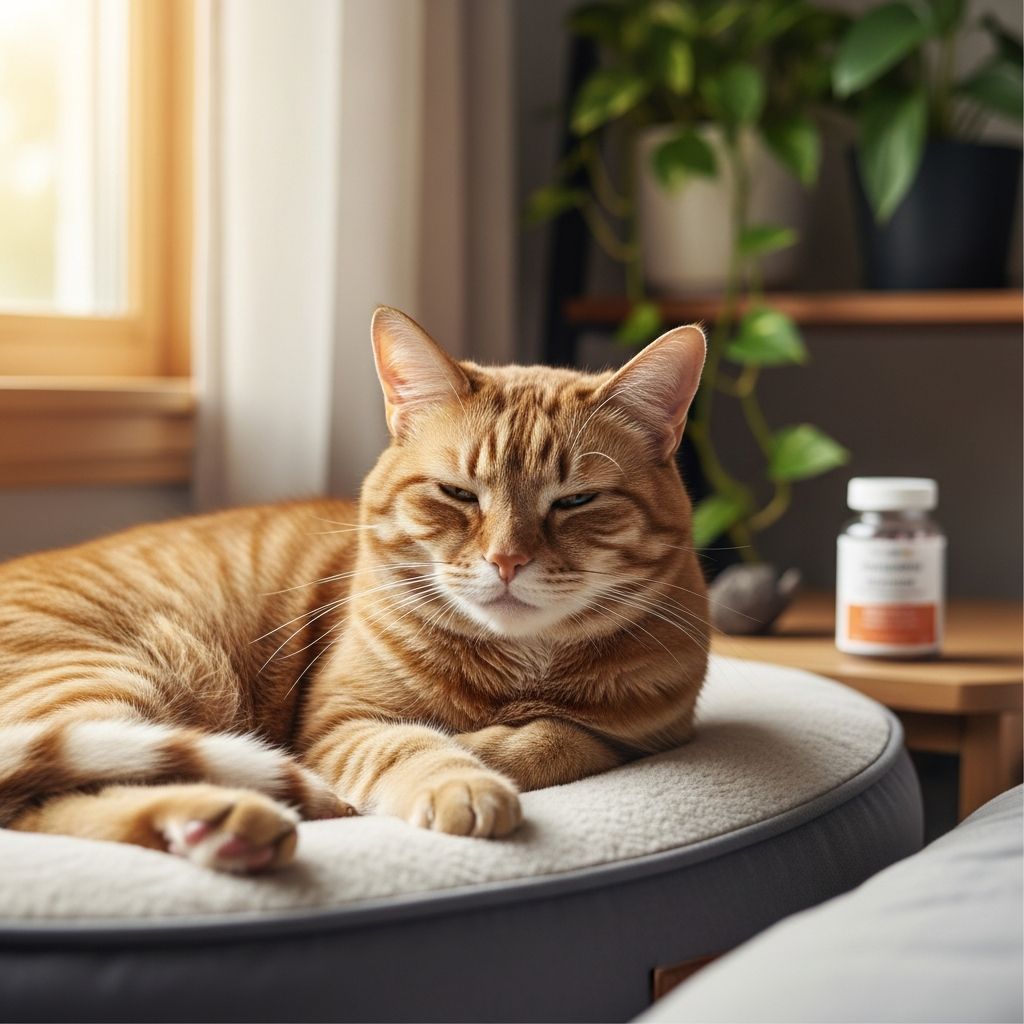
Feline arthritis, a degenerative joint disease common in older cats, leads to pain, stiffness, and reduced activity. Effective management combines medications, supplements, therapies, and environmental changes to enhance comfort and mobility.
Recognizing Arthritis in Cats
Cats often hide pain, making early detection challenging. Look for subtle signs like reluctance to jump, litter box avoidance, or altered grooming. Veterinary diagnosis via exams and imaging confirms osteoarthritis (OA), affecting cartilage and causing inflammation.
Core Treatment Strategies
Treatment is multimodal, addressing pain, inflammation, and joint health. Options range from pharmaceuticals to non-invasive therapies, tailored to each cat’s needs.
Pharmaceutical Interventions
Medications target pain and inflammation directly. Nonsteroidal anti-inflammatory drugs (NSAIDs) like meloxicam reduce joint swelling but require monitoring for side effects.
- Solensia (frunevetmab): FDA-approved monoclonal antibody injected monthly, blocking nerve growth factor (NGF) for chronic OA pain relief without liver strain.
- Gabapentin: Manages neuropathic pain with minimal sedation, ideal for breakthrough discomfort.
- Polysulfated glycosaminoglycan (Adequan): Injectable that inhibits cartilage-damaging enzymes and improves joint lubrication, administered at home or clinic.
Opioids offer short-term relief, while amantadine blocks pain signals.
Joint Supplements and Nutraceuticals
Supplements support cartilage repair and reduce inflammation. Glucosamine and chondroitin, as in Cosequin, promote joint fluid and bone health.
- Omega-3 fatty acids decrease joint inflammation.
- Joint-specific diets with nutraceuticals aid weight control and mobility.
Consult vets for quality brands, as efficacy varies.
Advanced Physical and Rehabilitation Therapies
Non-drug therapies build strength, reduce pain, and improve function without systemic effects.
Laser and Electromagnetic Treatments
Low-level laser therapy (LLLT) penetrates tissues to boost circulation, cut inflammation, and promote healing. Sessions start frequent, then taper.
Targeted pulsed electromagnetic field (tPEMF) therapy, like Assisi Loop, triggers self-repair, reducing pharmaceutical needs.
Exercise and Hydrotherapy
Physical therapy includes passive range of motion (PROM), stretching, and balance exercises to rebuild muscle and joint fluid.
- Underwater treadmills or swimming minimize joint stress while enhancing strength.
- Obstacle courses or slope walking improve endurance and coordination.
Regenerative Options
Platelet-rich plasma (PRP) and stem cell therapy repair damaged joints. Stem cells regenerate cartilage, improving motion, though more cat-specific research is needed.
Holistic and Alternative Approaches
Complementary methods enhance conventional care.
- Acupuncture: Reduces pain and inflammation; suitable for tolerant cats.
- Chiropractic and Massage: Eases tension and boosts mobility.[10]
- Warm/Cold Compresses: Provide temporary relief by altering blood flow.
Lifestyle Modifications for Joint Health
Daily changes prevent flare-ups and support treatments.
| Modification | Benefits | Implementation Tips |
|---|---|---|
| Weight Management | Reduces joint load | Prescription diets, portion control |
| Low-Impact Exercise | Maintains muscle | Interactive toys, ramps |
| Environmental Adjustments | Eases access | Low-entry litter boxes, pet stairs |
| Comfortable Bedding | Supports joints | Orthopedic beds, heated pads |
These steps, combined with vet guidance, yield significant improvements.
Multimodal Management Plans
Integrate therapies for optimal results. Start with NSAIDs or Solensia for pain, add supplements, and incorporate rehab. Monitor progress via activity logs and vet check-ups. Surgery like joint fusion is rare, reserved for severe cases.[10]
FAQs
Is Solensia safe for long-term use?
Yes, as a protein broken down naturally, it’s designed for ongoing monthly injections with minimal side effects.
Can supplements alone treat arthritis?
No, they support but work best with other therapies.
How soon do therapies show results?
Laser or Solensia may improve mobility in days to weeks; rehab builds over months.
What if my cat resists therapy?
Choose low-stress options like tPEMF or home exercises; desensitize gradually.[10]
Does diet impact arthritis?
Yes, joint-support formulas with omega-3s aid inflammation control and weight loss.
Monitoring and Veterinary Follow-Up
Regular exams assess pain scales, mobility, and adjust plans. Owner observations guide refinements, ensuring sustained quality of life.
References
- Cat Arthritis Treatment: What Veterinarians Want You to Know — Faithful Friends Vet Clinic. 2023. https://faithfulfriendsvetclinic.com/cat-arthritis-treatment/
- Feline Arthritis Do’s and Don’ts — Fairfax Vet. 2023. https://fairfaxvet.com/feline-arthritis-dos-and-donts/
- I Think My Cat Has Arthritis, What Now? — Zoetis Petcare. 2024. https://www.zoetispetcare.com/blog/article/cat-has-arthritis
- 9 Treatments for Arthritis in Cats: Medications and More — GoodRx. 2024. https://www.goodrx.com/pet-health/cat/arthritis-treatment
- Fe-line Stiff and Sore: How to Manage Your Cat’s Arthritis — The Gentle Vet NJ. 2023. https://thegentlevetnj.com/fe-line-stiff-and-sore-how-to-manage-your-cats-arthritis/
- Arthritis Treatment Options For Cats — Latah Creek Animal Hospital. 2023. https://latahcreekah.com/blog/arthritis-treatment-options-for-cats/
Similar Articles








Read full bio of medha deb




