

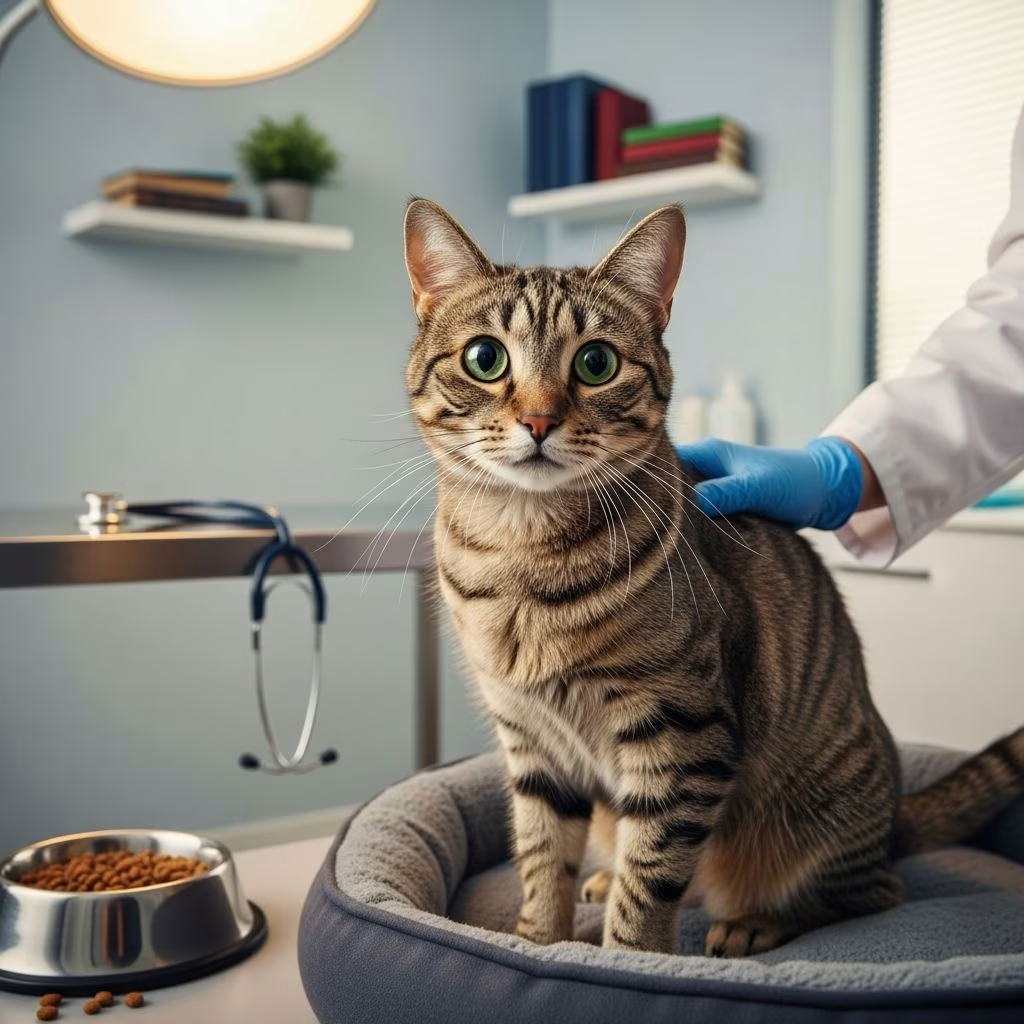
Observing your cat turn away from their meals can spark immediate worry for any pet owner. Feline appetite loss, medically termed anorexia in severe cases, signals potential issues ranging from minor adjustments to life-threatening conditions. Cats are obligate carnivores with precise nutritional needs, and even brief refusals to eat can escalate to hepatic lipidosis, a dangerous fat buildup in the liver. This guide delves into primary causes, accompanying symptoms, diagnostic approaches, and actionable strategies to encourage eating while stressing the need for professional veterinary input.
Recognizing the Signs of Reduced Appetite
Appetite changes in cats often manifest subtly at first. A healthy cat typically maintains a consistent eating pattern, finishing meals promptly. Key indicators include untouched food bowls over 24 hours, selective picking at food, or outright refusal. Monitor for related signs like weight reduction, diminished activity levels, or alterations in grooming habits, which amplify the urgency.
- Short-term refusal: Less than 24 hours may stem from temporary discomfort.
- Prolonged inappetence: Beyond 24-48 hours demands swift veterinary evaluation to avert complications.
Environmental and Behavioral Triggers
Everyday disruptions frequently underlie appetite dips without underlying illness. Cats thrive on routine, and shifts can provoke stress responses that suppress hunger.
Household Changes and Stress Factors
New pets, relocations, or rearranged furniture unsettle territorial instincts. Research links such stressors to behavioral anorexia, where felines withhold eating as a coping mechanism. Inconsistent feeding times or handlers further exacerbate this, mimicking wild scarcity signals.
| Common Stressor | Impact on Appetite | Solution Ideas |
|---|---|---|
| New family member or pet | Competition anxiety leads to meal skipping | Gradual introductions with pheromone diffusers |
| Schedule disruptions | Confusion over meal availability | Fixed daily feeding rituals |
| Loud noises or renovations | Heightened vigilance over hunger | Quiet retreat spaces with familiar bedding |
Food-Related Preferences
Abrupt diet switches or unappealing textures/flavors deter picky eaters. Aging palates may reject dry kibble if dental sensitivity arises, prompting liquid preferences. Spoiled food or dirty bowls also repel, as cats associate hygiene with safety.
Oral Health Problems Disrupting Meals
Dental afflictions plague 50-90% of cats over four years, causing excruciating pain that overrides hunger. Tartar accumulation fosters gingivitis, while abscesses or tumors inflame tissues, making chewing intolerable.
- Bleeding gums or foul breath
- Face swelling or pawing at mouth
- Drooling excessively or unilateral chewing
- Preference for soft foods only
Preventive brushing with feline-specific toothpaste mitigates buildup, but professional cleanings under anesthesia remain essential for advanced cases.
Gastrointestinal Disturbances
GI tract woes rank high among appetite suppressors, inducing nausea that mimics disinterest in food. Parasites, foreign body obstructions, pancreatitis, or colitis provoke vomiting, diarrhea, and abdominal tenderness.
Irritable bowel disease or bacterial imbalances further dull hunger signals. Cats may approach food but recoil, lip-licking or dropping morsels—a nausea hallmark. If vomiting exceeds once weekly or pairs with lethargy, expedite vet care to rule out blockages or infections.
Chronic Organ Diseases
Kidney Dysfunction
Prevalent in senior cats over seven, kidney disease builds toxins that nauseate, slashing appetite alongside polydipsia and polyuria. Early detection via bloodwork enables dietary management with renal-support formulas.
Heart Conditions
Congestive heart failure burdens breathing and energy, sidelining meals. Coughing, fatigue, or fluid accumulation compound disinterest, worsened by therapeutic diets.
Liver and Cancer Concerns
Hepatic issues or malignancies systemically erode appetite. Jaundice, weight loss, or palpable masses warrant imaging and biopsies for confirmation.
Infections and Fevers in Cats
Upper respiratory infections congest sinuses, impairing smell crucial for feline taste. Fevers from viral/bacterial sources universally depress hunger, often with sneezing, ocular discharge, or lethargy. Kittens prove especially vulnerable, necessitating prompt antibiotics or supportive care.
When to Contact Your Veterinarian Urgently
Never delay beyond 24 hours of total refusal, particularly with kittens, seniors, or diabetics prone to rapid decompensation. Red flags include:
- Vomiting, diarrhea, or bloody stools
- Jaundice or breathing difficulties
- Extreme lethargy or dehydration signs (tacky gums, sunken eyes)
- Increased thirst/urination or urinary straining
Vets employ diagnostics like blood panels, urinalysis, radiographs, or ultrasounds to pinpoint etiologies, tailoring treatments from fluids to surgery.
Strategies to Stimulate Appetite at Home
While awaiting professional assessment, gentle coaxing aids:
- Warm food to enhance aromas
- Offer favorites or toppers like tuna juice
- Elevate bowls for comfort; try puzzle feeders for engagement
- Ensure quiet, stress-free zones
- Split meals into smaller, frequent portions
Avoid force-feeding sans guidance, risking aspiration. Appetite stimulants like mirtazapine may be vet-prescribed short-term.
Preventive Measures for Long-Term Feline Wellness
Proactive routines fortify resilience:
- Annual checkups with dental exams
- Balanced, age-appropriate nutrition
- Parasite preventives and vaccinations
- Environmental enrichments reducing stress
- Weight monitoring to catch trends early
Regular dental hygiene and gradual diet transitions minimize disruptions.
FAQs: Common Questions on Feline Inappetence
Is it normal for my cat to skip one meal?
Occasional skips happen, especially if overfed previously, but consecutive refusals signal issues.
What if my cat eats less but acts fine?
Subtle declines precede illness; track intake precisely and consult if persistent.
Can stress alone cause prolonged refusal?
Yes, but rule out medical causes first, as they mimic behavioral anorexia.
How fast does hepatic lipidosis develop?
Within days in at-risk cats, emphasizing rapid intervention.
Should I switch foods if my cat stops eating?
Only gradually under vet advice; sudden changes worsen pickiness.
References
- Anorexia in cats – PDSA — People’s Dispensary for Sick Animals. 2023. https://www.pdsa.org.uk/pet-help-and-advice/pet-health-hub/symptoms/my-cats-not-eating
- 6 Reasons Why Your Cat Is Not Eating and What To Do – PetMD — PetMD. 2024. https://www.petmd.com/cat/nutrition/cat-not-eating-what-to-do
- Why is my cat not eating? | Advanced Veterinary Care — Advanced Veterinary Care. 2021-08-15. https://www.advancedvetnj.com/site/blog/2021/08/15/my-cat-not-eating
- If Your Cat Won’t Eat, Consider These 10 Common Reasons – GoodRx — GoodRx. 2024. https://www.goodrx.com/pet-health/cat/not-eating
- Pet Eating Problems: Why Won’t My Cat Eat? — Diamond Bar Veterinary Clinic. 2024-05-15. https://www.diamondbarvetclinic.com/site/blog/2024/05/15/pet-eat-problems-cat-wont-eat
- Low Energy Cat: Causes and Solutions for Feline Lethargy — UVH Vets. 2024. https://uvhvets.com/blog/low-energy-cat-causes-and-solutions-for-feline-lethargy/
- My Cat’s Not Eating Much but is Acting Normal, What’s Going On? — Veg.com. 2024. https://www.veg.com/post/my-cats-not-eating-much-but-is-acting-normal-whats-going-on



