

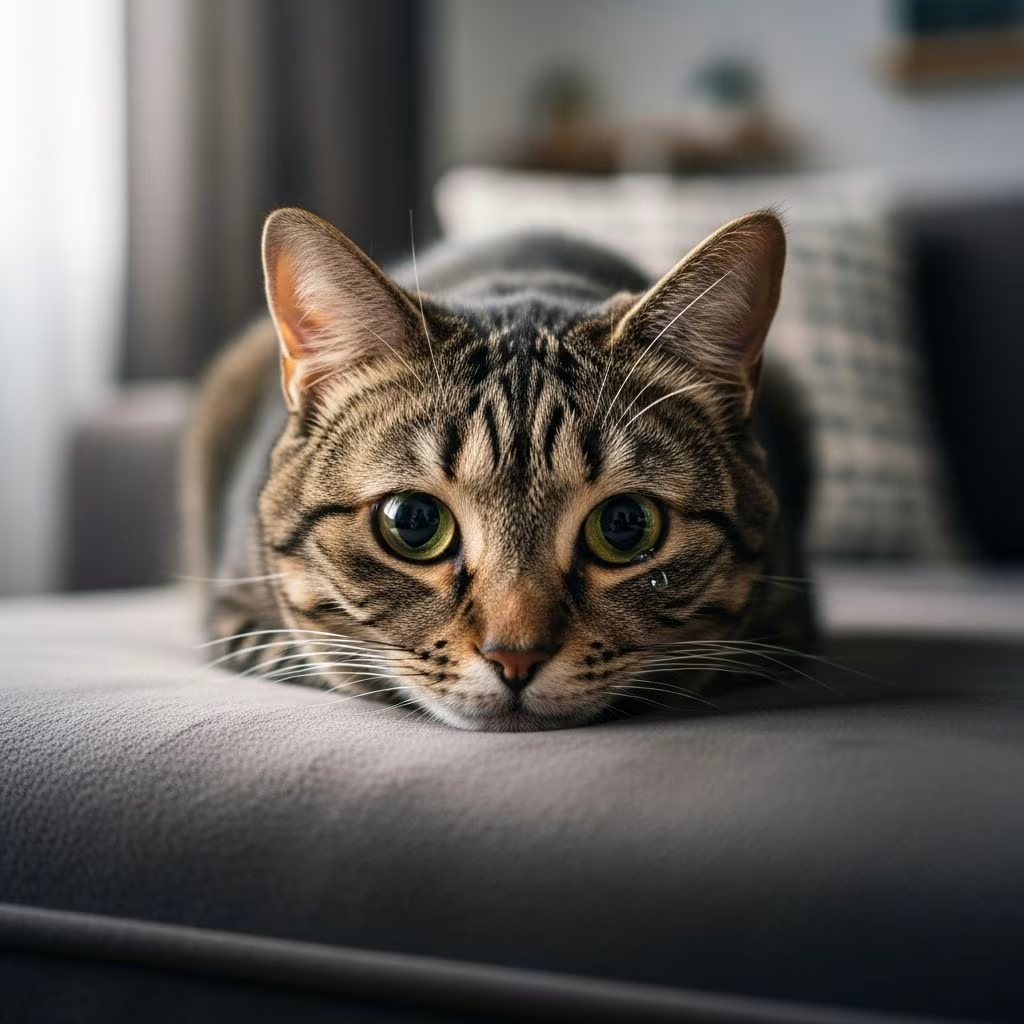
Cat anxiety affects many felines, manifesting as behavioral changes that signal underlying stress. Recognizing these issues early allows owners to implement effective interventions, improving their pet’s quality of life through targeted strategies.
Recognizing Stress Signals in Felines
Felines express discomfort through subtle and overt behaviors. Owners often notice shifts in daily habits that deviate from normal patterns, prompting concern.
- Excessive vocalization: Persistent meowing, yowling, or growling, especially at night or in isolation.
- Hiding behaviors: Seeking refuge in closets, under furniture, or high shelves for extended periods.
- Aggressive outbursts: Unprovoked hissing, swatting, or biting toward familiar people or animals.
- Elimination problems: Urinating or defecating outside the litter box, often on vertical surfaces.
- Physical indicators: Dilated pupils, flattened ears, tucked tail, or excessive grooming leading to hair loss.
- Restlessness: Pacing, inability to settle, or hypervigilance to sounds and movements.
These signs can intensify during specific triggers, making it essential to observe patterns over time. Video recordings help document episodes for veterinary review.
Uncovering the Roots of Feline Distress
Anxiety stems from diverse sources, often intertwined. Identifying triggers requires examining recent life changes and health status.
| Cause Category | Examples | Impact on Cat |
|---|---|---|
| Environmental Shifts | Moving homes, renovations, new furniture | Disrupts sense of security, leading to withdrawal |
| Social Changes | New pets, babies, visitors | Triggers territorial fears or competition stress |
| Health-Related | Pain from UTI, dental issues, arthritis | Amplifies irritability and avoidance |
| Traumatic Events | Loud noises, abuse, vet visits | Creates phobias and hyper-reactivity |
| Developmental Factors | Poor kitten socialization (under 12 weeks) | Leads to lifelong fear responses |
| Lifestyle Issues | Boredom, lack of stimulation, separation | Builds frustration and restlessness |
Age plays a role; seniors may experience cognitive decline mimicking anxiety, while kittens face risks from inadequate early exposures.
Health Checks: Ruling Out Medical Culprits
Before behavioral fixes, a veterinary exam is crucial. Conditions like urinary infections, hyperthyroidism, or pain mimic anxiety symptoms. Bloodwork and imaging pinpoint issues, ensuring treatments address root causes rather than surface behaviors.
Building a Calmer Home Environment
Simple modifications create safe havens, reducing stress triggers. Consistency fosters predictability, a key to feline comfort.
- Designate safe zones with beds, perches, and hiding spots accessible vertically.
- Provide ample resources: one litter box per cat plus one extra, separate feeding stations.
- Use pheromone diffusers like Feliway to mimic calming maternal scents.
- Maintain daily routines for meals, play, and litter cleaning to avoid surprises.
- Enrich spaces with window perches, cat trees, and puzzle feeders for mental engagement.
Gradual introductions of changes, such as new household members, prevent overwhelm.
Behavioral Techniques for Lasting Relief
Counterconditioning and desensitization reshape emotional responses. These require patience, starting below the anxiety threshold.
Pair mild triggers with rewards: offer treats during low-volume recordings of feared sounds, slowly increasing intensity. Positive reinforcement builds new associations, often taking weeks to months.
Play therapy channels energy: 15-20 minute sessions twice daily with wand toys mimic hunting, releasing endorphins.
Nutritional and Supplemental Aids
Supplements support nervous systems without pharmaceuticals. Options include L-theanine, chamomile, or collagen-based chews that lower cortisol.
- Pheromone products: Sprays or collars for travel or multi-cat homes.
- Calming diets: Formulas with hydrolyzed proteins or tryptophan.
- Herbal blends: Vet-approved options like valerian for situational use.
Monitor effects and consult vets before starting, especially with existing medications.
When Medications Become Necessary
For severe cases, vets prescribe targeted drugs. Fast-acting options like alprazolam suit vet visits; long-term antidepressants like fluoxetine alter brain chemistry over weeks.
- Fluoxetine (Prozac): Daily for chronic anxiety, weanable after stabilization.
- Clomipramine: Targets obsessive behaviors like over-grooming.
- Buspirone: Mild situational relief without sedation.
Medications complement, not replace, behavioral plans. Veterinary behaviorists offer specialized guidance for refractory cases.
Addressing Specific Anxiety Types
Separation Distress
Cats pacing or vocalizing when alone benefit from pre-departure routines without fanfare. Leave interactive toys and return calmly.
Noise Phobias
Thunder or fireworks prompt white noise machines and cozy dens. Desensitization with audio tracks proves effective.
Multi-Pet Conflicts
Scent swapping and supervised meetings ease tensions. Vertical space allocation prevents confrontations.
Prevention Strategies for Future Peace
Early socialization (2-7 weeks) exposes kittens to stimuli positively. Ongoing enrichment wards off boredom-induced stress.
Annual vet checks catch emerging issues. Track behaviors via apps for trends.
FAQs on Feline Anxiety Management
Can anxiety appear suddenly in adult cats?
Yes, often from health declines or household upheavals. Vet evaluation is first step.
How long until treatments show results?
Environmental changes yield quick wins; full behavioral shifts take 4-6 months.
Is punishment ever helpful?
No; it heightens fear. Focus on positives.
Do older cats outgrow anxiety?
Not typically; cognitive support and routines aid seniors.
What if home efforts fail?
Seek a certified behaviorist referral.
Long-Term Monitoring and Adjustments
Progress varies; log symptoms weekly. Adjust plans with vet input, celebrating incremental gains like reduced hiding.
Untreated anxiety risks chronic health woes like cystitis or immune suppression. Proactive care ensures thriving companionship.
References
- Managing Anxiety in Cats — Small Door Veterinary. 2023. https://www.smalldoorvet.com/learning-center/medical/managing-anxiety-in-cats
- Cat Anxiety | Signs, Causes & Treatment — My Corner Vet Nedlands. 2024. https://www.mycornervet.com.au/anxiety-in-cats
- The Ultimate Guide to Cat Anxiety — PetMD. 2024-02-15. https://www.petmd.com/cat/conditions/behavioral/c_ct_fear_phobia_anxiety
- How to Recognize and Manage Anxiety in Cats — GoodRx. 2023-11-20. https://www.goodrx.com/pet-health/cat/anxiety-in-cats
- Managing anxiety in cats — Ontario SPCA. 2024. https://ontariospca.ca/blog/managing-anxiety-in-cats/
- 5 Common Causes of Anxiety in Cats and How to Address Them — Amigo Animal Hospital. 2023. https://www.amigoanimalhospital.com/blog/1313955-5-common-causes-of-anxiety-in-cats-and-how-to-address-them_2



