

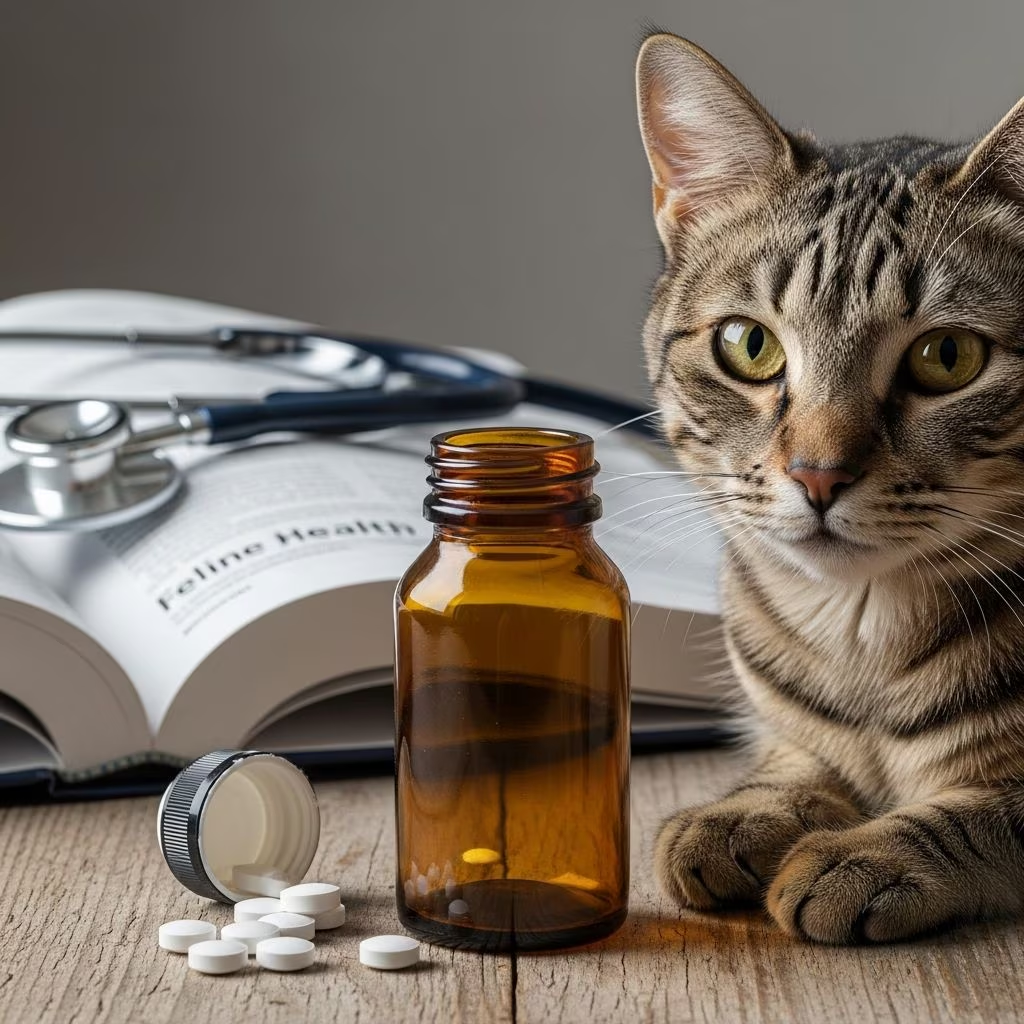
Antibiotics play a critical role in managing bacterial infections in cats, but accessing them requires veterinary oversight rather than self-treatment with over-the-counter options. True over-the-counter antibiotics formulated specifically for feline use do not exist in most markets, as they demand precise dosing based on a cat’s weight, age, and health status to avoid harm.
Understanding Bacterial Infections in Cats
Cats commonly face bacterial challenges in areas like the skin, urinary tract, respiratory system, and wounds. Symptoms such as lethargy, fever, discharge, or swelling signal potential issues that mimic viral or fungal problems, making professional diagnosis essential. Antibiotics target bacteria by disrupting cell walls or protein synthesis, but they prove ineffective against non-bacterial pathogens, underscoring the need for lab tests like cultures to identify the culprit.
- Skin and soft tissue infections: Often from abscesses due to fights, presenting as pus-filled swellings.
- Urinary tract infections (UTIs): Frequent in older cats, with signs like straining or blood in urine.
- Respiratory infections: Upper airway issues causing sneezing and nasal discharge.
- Gastrointestinal disturbances: Linked to certain anaerobes or protozoa.
Why Over-the-Counter Antibiotics Aren’t Available for Cats
Unlike some human medications, no FDA-approved over-the-counter antibiotics exist for cats because improper use fosters antibiotic resistance and causes toxicity. Veterinary prescriptions ensure the right spectrum—broad or narrow—matches the infection, preventing escalation of resistant strains that threaten both pets and public health.
| Myth | Reality | Risk |
|---|---|---|
| Human antibiotics work for cats | Dosages differ vastly; cats metabolize drugs uniquely | Toxicity, organ failure[10] |
| OTC ointments like Neosporin are safe | Ingredients toxic if licked during grooming | Poisoning, delayed healing |
| Farm or aquarium antibiotics suffice | Not formulated for feline physiology | Ineffective treatment, resistance |
Veterinarians emphasize that skipping a visit for “quick fixes” endangers cats, as untreated infections spread systemically.
Common Prescription Antibiotics for Feline Use
Vets select from proven options based on sensitivity testing. Here’s a breakdown of frequently prescribed ones:
- Amoxicillin: Versatile for respiratory, skin, UTI, and GI infections; available as tablets or liquid. Highly effective against common pathogens with minimal side effects when dosed correctly.
- Cephalexin: Ideal for UTIs, skin, bone, and respiratory issues; broad-spectrum with low side effect profile.
- Veraflox (Pradofloxacin): FDA-approved for wounds and abscesses in cats over 12 weeks; oral solution for easy administration. Off-label for UTIs; safe ocular profile unlike older fluoroquinolones.
- Enrofloxacin: Tablets for severe respiratory, skin, or UTI cases; targets tough bacteria.
- Clindamycin: Capsules or liquid for dental abscesses, anaerobic infections, and bone issues.
- Metronidazole: Manages GI protozoa like Giardia and inflammation; oral or injectable.
These require prescriptions to tailor duration—typically 7-14 days—and monitor progress.
Potential Side Effects and Monitoring
While cats tolerate antibiotics well at proper doses, vigilance prevents complications. Common issues stem from gut flora disruption:
- Gastrointestinal: Diarrhea, vomiting, appetite loss—often mitigated by probiotics or fiber supplements.
- Allergic reactions: Facial swelling, breathing difficulty, hives—stop use and seek emergency care immediately.
- Veraflox-specific: Rare elevated white cells or muscle enzymes; limit to 7 days to avoid bone marrow suppression.
- Long-term risks: Liver/kidney strain, yeast overgrowth, or resistance with overuse.
Administer with food to reduce nausea, complete the full course, and report changes promptly.
Safe Administration Practices
Success hinges on technique:
- Weigh your cat accurately for dosing.
- Follow schedules strictly—some twice daily.
- Store as directed (e.g., refrigerate liquids).
- Combine with supportive care: hydration, rest, clean litter.
- Avoid dairy with certain types like tetracyclines (though less common in cats).
For picky eaters, pill pockets or compounding pharmacies offer flavored versions.
Alternatives and Supportive Therapies
Not every infection needs antibiotics. Mild cases benefit from:
- Probiotics: Restore gut balance during/after treatment.
- Herbal supports: Echinacea or goldenseal for immune boost (vet-approved only).
- Wound care: Clean with saline; vet ointments over OTC.
- Dietary adjustments: High-moisture food for UTIs.
These complement but never replace antibiotics when indicated.
When to Rush to the Vet
Seek immediate care if your cat shows:
- Persistent fever over 103°F.
- Severe lethargy or refusal to eat >24 hours.
- Bloody urine/stools or open wounds.
- Breathing distress or swelling post-medication.
Early intervention prevents hospitalization.
Preventing Infections Proactively
Reduce antibiotic needs through:
- Core vaccinations and parasite control.
- Indoor living to avoid fights.
- Regular dental cleanings.
- Stress reduction via enrichment.
- Annual check-ups for seniors.
Healthy cats resist infections better.
Frequently Asked Questions (FAQs)
Can I use fish antibiotics for my cat?
No. These lack feline-specific purity and dosing, risking under- or overdose.
Are antibiotics safe for kittens?
Yes, from 12 weeks with vet guidance; avoid in very young without approval.
How long until antibiotics work in cats?
Improvement in 48-72 hours; full course essential regardless.
What if my cat vomits after a dose?
Redose only if entire pill expelled and within 30 minutes; consult vet otherwise.
Do antibiotics cause resistance in cats?
Yes, misuse accelerates it; always finish courses and use only as prescribed.
Navigating Antibiotic Resistance
Global concern: Overuse breeds superbugs untreatable by standard drugs. In cats, this manifests as recurrent infections needing stronger meds. Vets combat this via cultures guiding narrow-spectrum choices, preserving broad ones.
In summary, prioritize vet consultations for cat antibiotics—OTC options pose more harm than help. Informed care keeps your feline thriving.
References
- Veraflox for Cats (Pradofloxacin) – PetMD — PetMD. 2023. https://www.petmd.com/pet-medication/veraflox-for-cats
- Common Antibiotics for Dogs and Cats – Wedgewood Pharmacy — Wedgewood Pharmacy. 2024. https://www.wedgewood.com/blog/common-antibiotics-for-dogs-and-cats/
- What Are Antibiotics for Cats? | Chewy — Chewy. 2024. https://www.chewy.com/education/cat/health-and-wellness/antibiotics-for-cats
- Cat Medications | Tamberly Animal Hospital — Tamberly Animal Hospital. 2023. https://www.tamberly.vet/services/cats/cat-medicine-milton
- Understanding Cat Antibiotics: With or Without Vet Prescription? — Lambert Vet Supply. 2024. https://www.lambertvetsupply.com/blogs/news/understanding-prescription-cat-antibiotics
- Cat Medications | Columbia Pike Animal Hospital — Columbia Pike Animal Hospital. 2023. https://www.columbiapikeanimalh.com/services/cats/cat-medicine
- Are over-the-counter medications safe for my pet? — VCA Animal Hospitals. 2024. https://vcahospitals.com/resources/conditions-dog/medications/are-over-the-counter-medications-safe-for-my-pet



