

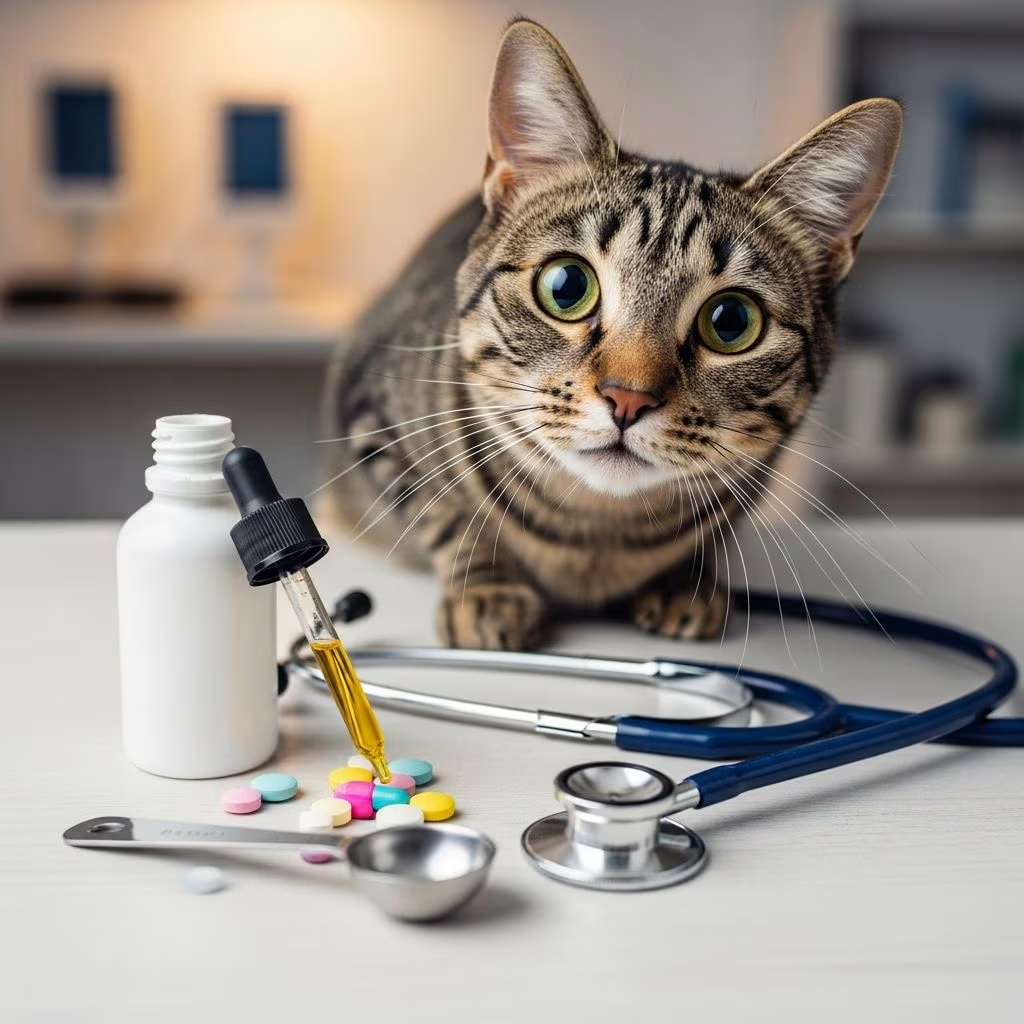
Antibiotics serve as vital tools in feline medicine for combating bacterial infections that can affect various parts of a cat’s body, from the skin to the respiratory system. When prescribed correctly by a veterinarian, these medications target harmful bacteria while minimizing risks to the cat’s overall health.
Understanding Bacterial Infections in Cats
Cats frequently encounter bacterial infections due to their curious nature, leading to issues like wounds from fights, urinary tract problems, or respiratory illnesses. These infections arise when bacteria overwhelm the body’s natural defenses, causing symptoms such as fever, lethargy, discharge, or swelling. Early veterinary intervention often involves antibiotics to eliminate the pathogens and prevent spread.
Broad-spectrum antibiotics tackle multiple bacteria types without prior identification, ideal for urgent cases. Narrow-spectrum options, selected after lab tests like bacterial cultures, precisely target known strains, reducing unnecessary exposure.
Popular Antibiotics Prescribed for Feline Conditions
Veterinarians select antibiotics based on the infection site, severity, and the cat’s health profile. Here are key examples:
- Amoxicillin and Amoxicillin-Clavulanate (Clavamox): These penicillin derivatives disrupt bacterial cell walls, effectively treating skin wounds, urinary tract infections (UTIs), respiratory issues, and dental problems. The clavulanate addition combats resistant strains.
- Cephalexin: A cephalosporin suited for UTIs, skin/soft tissue infections, bone issues, and respiratory tract problems, noted for low side effect profiles.
- Clindamycin: Targets anaerobic bacteria in dental abscesses, bone infections, skin wounds, and toxoplasmosis. It’s well-tolerated in kittens and acts quickly.
- Doxycycline: A tetracycline that inhibits bacterial protein production, commonly used for respiratory infections like Chlamydia felis, tick-borne diseases, and certain intracellular pathogens. Liquid forms prevent esophageal irritation.
- Enrofloxacin: This fluoroquinolone addresses UTIs, skin, respiratory, prostate, gastrointestinal, liver, and wound infections.
- Metronidazole: Manages anaerobic infections, gastrointestinal disorders, periodontal disease, and protozoal parasites like Giardia.
- Azithromycin: A macrolide for upper respiratory infections, atypical bacteria, and Bartonella, with extended tissue concentration allowing less frequent doses.
These medications come in tablets, liquids, capsules, chews, or injectables, with compounding pharmacies customizing flavors for picky eaters.
When Do Veterinarians Recommend Antibiotics?
Antibiotics are indicated for confirmed bacterial infections, not viruses or fungi. Common scenarios include:
- Abscesses from bites or scratches.
- UTIs with symptoms like frequent urination or blood in urine.
- Respiratory infections causing sneezing, coughing, or nasal discharge.
- Skin infections from wounds or allergies.
- Dental issues leading to mouth pain or drooling.
- Bone or joint infections post-trauma.
Diagnosis often involves physical exams, blood tests, or cultures to identify bacteria and sensitivities, ensuring the right drug choice.
Safe Administration Practices for Cat Owners
Follow vet instructions precisely: complete the full course, even if symptoms improve, to eradicate bacteria fully and curb resistance. Typical effects appear in 24-48 hours, but chronic cases may take longer.
| Antibiotic Type | Common Forms | Dosing Tips |
|---|---|---|
| Amoxicillin-Clavulanate | Tablets, Liquid | Twice daily with food |
| Doxycycline | Liquid, Capsules | Once/twice daily; follow with water |
| Clindamycin | Capsules, Liquid | With food to avoid GI upset |
| Azithromycin | Liquid, Chews | Less frequent; per vet schedule |
Hide pills in treats or use pill pockets; liquids can be syringed into the mouth. Monitor for proper swallowing to avoid aspiration.
Potential Side Effects and Monitoring
Most cats tolerate antibiotics well, with mild effects like vomiting, diarrhea, or appetite loss. Severe reactions include allergic responses (hives, swelling, breathing issues) requiring immediate vet care.
- Gastrointestinal: Loose stools or nausea; probiotics may help restore gut flora.
- Allergic: Rare but serious; avoid re-exposure.
- Other Risks: Tooth discoloration in kittens, bone growth interference at high doses, or toxicity in cats with kidney/liver issues.
Long-acting injectables like Convenia offer convenience but linger up to 65 days, risking sub-therapeutic levels that foster resistance. Oral options are preferable when feasible.
The Growing Concern of Antibiotic Resistance
Overuse or incomplete courses promote resistant bacteria, complicating future treatments. Studies show prolonged exposure increases resistance likelihood; shorter, targeted therapies with sensitivity testing are ideal.
Vets prioritize narrow-spectrum drugs post-culture to minimize broad disruption of beneficial bacteria, reducing secondary issues like yeast overgrowth.
Special Considerations for Vulnerable Cats
Pregnant queens risk fetal harm from certain antibiotics; aminoglycosides are mostly topical due to toxicity.
Kittens under 6 months need cautious dosing to avoid developmental impacts. Cats with comorbidities may require dose adjustments for safe clearance.
Alternatives and Supportive Care
Not all infections need antibiotics; immune support via nutrition, hydration, and wound cleaning aids recovery. Probiotics counteract gut imbalance, and pain relief complements treatment.
Compounded formulations improve compliance: flavored liquids or transdermals bypass pilling battles.
Frequently Asked Questions
Are there over-the-counter antibiotics for cats?
No. Self-treatment risks wrong drugs, worsening infections or resistance. Always consult a vet.
What is the best antibiotic for my cat?
No universal best; selection depends on bacteria type, site, and cat’s history. Common choices: amoxicillin-clavulanate, doxycycline, clindamycin.
How long do antibiotics take to work in cats?
Usually 24-48 hours for improvement, but finish the course.
Can I stop antibiotics if my cat seems better?
No. Premature stopping allows survivors to rebound stronger.
What if my cat vomits after a dose?
Contact your vet; they may adjust timing, form, or provide anti-nausea aid.
Preventing Infections Proactively
Keep cats indoors to avoid fights/scratches. Regular vet check-ups, vaccinations, dental care, and parasite control reduce infection risks. Clean wounds promptly with saline.
Educate on early signs: lethargy, poor appetite, discharge, limping. Prompt action preserves antibiotic efficacy.
References
- Common Antibiotics for Dogs and Cats — Wedgewood Pharmacy. 2023. https://www.wedgewood.com/blog/common-antibiotics-for-dogs-and-cats/
- Antibiotics for Cats: What They Treat, Side Effects & Safe Use — Mixlab. 2024. https://mixlab.com/blog/antibiotics-for-cats
- Antibiotics for cats — JOI I Petcare. 2023. https://www.joiipetcare.com/blogs/procedures-and-medication/antibiotics-for-cats
- Antibiotics for Cats: What You Need to Know — Purina. 2024. https://www.purina.com/articles/cat/health/symptoms/antibiotics-for-cats
- Understanding Prescription Cat Antibiotics — Lambert Vet Supply. 2023. https://www.lambertvetsupply.com/blogs/news/understanding-prescription-cat-antibiotics
- Long-Acting Antibiotics Can be Both Wonderful and Wrong — PetMD. 2013-12-01. https://www.petmd.com/blogs/fullyvetted/2013/dec/long-acting-antibiotics-can-be-both-wonderful-and-wrong-31120
- The Use of Antibiotics and Antimicrobial Resistance in Veterinary Medicine — PMC (NCBI). 2023-03-20. https://pmc.ncbi.nlm.nih.gov/articles/PMC10044628/



