

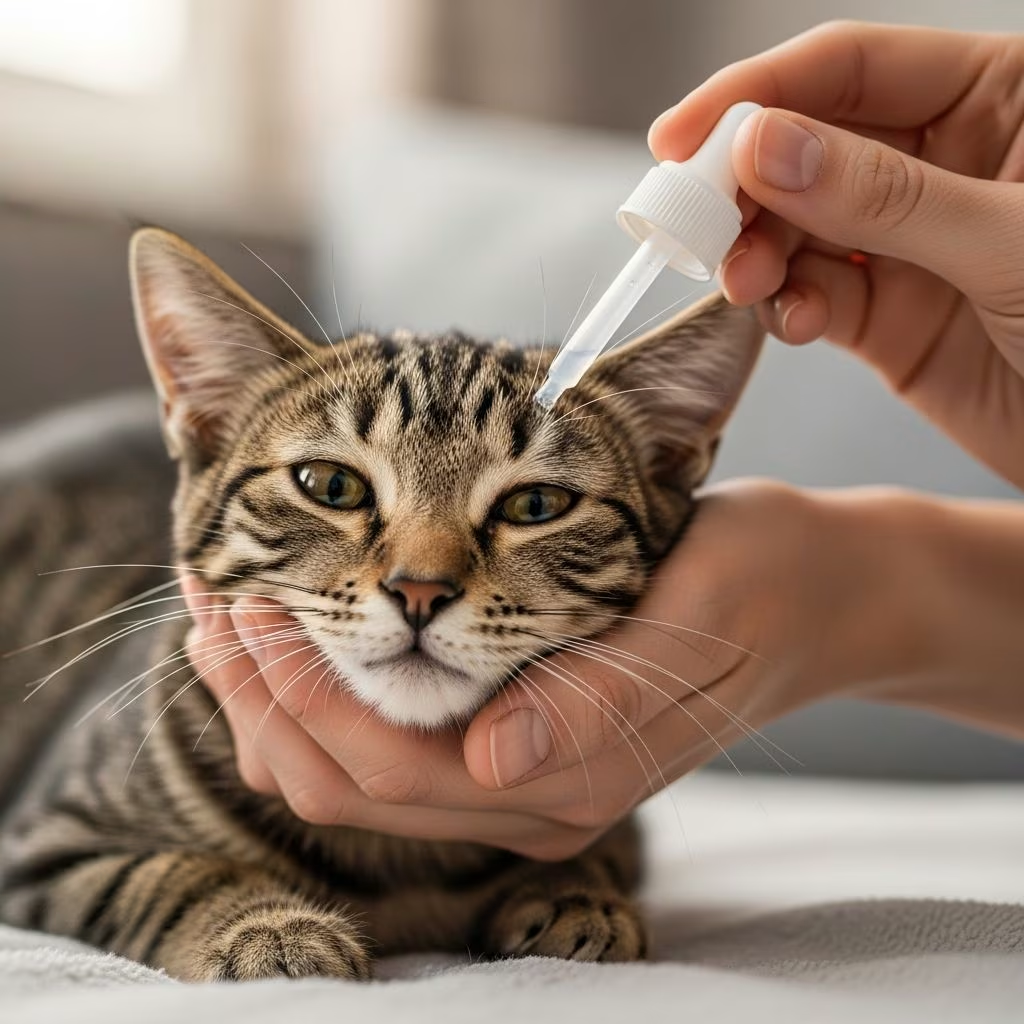
Antibiotic eye drops serve as a vital treatment for bacterial infections in cats’ eyes, helping to alleviate discomfort and prevent complications when prescribed by a veterinarian. These medications target specific pathogens while minimizing risks to your pet’s delicate ocular tissues.
Recognizing Eye Infections in Cats
Cats often develop eye issues from bacteria, leading to symptoms like redness, swelling, discharge, squinting, and light sensitivity. Conjunctivitis, or pink eye, ranks among the most frequent conditions, sometimes linked to upper respiratory infections or Chlamydophila. Early detection allows for prompt intervention with targeted antibiotics.
- Redness and inflammation around the eyelids or conjunctiva.
- Thick, colored discharge that may crust over the eyes.
- Excessive tearing or cloudiness in the cornea.
- Pawing at eyes indicating pain or itchiness.
These signs warrant a veterinary exam to differentiate bacterial causes from viral, fungal, or allergic triggers, as antibiotics prove ineffective against non-bacterial issues.
Common Antibiotic Eye Treatments for Felines
Veterinarians select antibiotics based on the infection type, often opting for broad-spectrum options safe for ocular use. Topical drops or ointments deliver medication directly, reducing systemic side effects.
| Medication | Active Ingredients | Primary Uses |
|---|---|---|
| Terramycin Ophthalmic Ointment | Oxytetracycline Hydrochloride | Conjunctivitis, keratitis, corneal ulcers, pink eye |
| Vetropolycin Ointment | Bacitracin, Neomycin, Polymyxin | Eyelid and conjunctival bacterial infections |
| Ofloxacin Eye Drops | Ofloxacin (Fluoroquinolone) | Broad-spectrum bacterial eye infections, swelling, pain relief |
| Tetracycline Ointment | Tetracycline | Chlamydophila or Mycoplasma conjunctivitis |
| Tobramycin Drops | Tobramycin (Aminoglycoside) | Conjunctivitis and other bacterial infections |
These treatments combat bacteria at various levels, from inhibiting protein synthesis to disrupting DNA replication, ensuring infections resolve quickly.
How Antibiotic Eye Drops Work in Cats
Fluoroquinolones like Ofloxacin penetrate bacterial cells, halting genetic replication to stop pathogen spread. Tetracyclines block protein production essential for bacterial survival. Combination ointments like Vetropolycin attack multiple bacterial strains simultaneously, enhancing efficacy against resistant infections.
Ointments adhere longer to the eye surface than drops, ideal for cats resisting frequent applications. Drops, however, provide faster absorption for acute swelling or pain.
Step-by-Step Guide to Administering Eye Drops
Proper technique prevents contamination and ensures full dosage. Always wash hands and use a clean applicator.
- Gently restrain your cat, perhaps with a towel wrap.
- Tilt the head back slightly, holding the eyelids open.
- Squeeze 1-2 drops or a 1/4-inch ointment ribbon into the lower conjunctival sac.
- Release and allow natural blinking to distribute the medication.
- Wipe excess gently; avoid touching the tip to the eye.
Space multiple medications 5 minutes apart. Store as directed, discarding if discolored or cloudy.
Potential Side Effects and Precautions
While generally safe, reactions can occur. Monitor for worsening redness, excessive tearing, or behavioral changes signaling intolerance.
- Harmless crystals may form temporarily with Ofloxacin.
- Allergic responses like intensified swelling require immediate vet attention.
- Avoid in viral/fungal cases to prevent resistance.
- Consult vets before using human products, as formulations differ.
Pregnant or kittens need tailored dosing; never self-medicate.
Adjunct Therapies for Comprehensive Care
Antibiotics often pair with anti-inflammatories. Corticosteroids like prednisolone reduce swelling in conditions such as eosinophilic keratitis, but only post-infection clearance. Oral azithromycin addresses systemic issues like respiratory-linked eye problems. NSAIDs such as flurbiprofen or diclofenac manage pain without steroids.
Preventing Recurring Feline Eye Infections
Boost immunity via balanced nutrition, vaccinations against Chlamydia, and routine check-ups. Keep litter boxes clean, minimize dust, and isolate infected cats. Regular grooming prevents tear staining buildup harboring bacteria.
- Vaccinate against feline herpesvirus and calicivirus.
- Provide omega-3 supplements for ocular health.
- Avoid irritants like smoke or strong cleaners.
When to Seek Emergency Veterinary Care
Escalate if symptoms persist beyond 48 hours of treatment, vision seems impaired, or the cornea ulcerates. Deep infections or trauma demand professional intervention to avert permanent damage.
FAQs on Cat Antibiotic Eye Drops
Can I use human eye drops on my cat?
No, human formulations may irritate or toxify feline eyes. Vet-specific products ensure safety and efficacy.
How long do treatments last?
Typically 7-14 days; complete the course to prevent resistance, even if symptoms resolve early.
Are antibiotic ointments better than drops?
Ointments last longer but blur vision briefly; drops absorb quicker. Vet preference guides choice.
What if my cat fights administration?
Practice with saline drops, use a helper, or request vet demos. Pill pockets aid oral alternatives.
Do over-the-counter options exist?
Limited; prescription antibiotics target specifics. OTC lubricants soothe mildly but not infections.
Choosing the Right Vet for Eye Issues
Seek specialists in feline ophthalmology for complex cases. Telehealth aids initial assessments, but exams confirm diagnoses accurately.
In summary, antibiotic eye drops restore feline ocular health when used judiciously under guidance. Proactive care minimizes needs for intervention.
References
- Cat Eye Drops: What Owners Should Know — Purina. 2023. https://www.purina.com/articles/cat/health/symptoms/eye-drops-for-cats
- Ofloxacin Drops: Bacterial Eye Infections in Pets — VetRxDirect. 2024. https://www.vetrxdirect.com/product/view/ofloxacin-eye-drops-for-dogs-and-cats-rx
- Different Antibiotics in Cat Eye Infection Treatment — FP HC Clovis. 2024-05-15. https://www.fphclovis.com/site/blog/2024/05/15/different-antibiotics-cat-eye-infection-treatment
- Different Antibiotics in Cat Eye Infection Treatment — Animal Eye Guys. 2022-10-15. https://www.animaleyeguys.com/site/blog/2022/10/15/different-antibiotics-cat-eye-infection-treatment
- Eye Drops for Cats & Kitten | Cat Eye Infection Treatment — Allivet. 2024. https://www.allivet.com/category/cat/prescriptions/eye-infection/
- Conjunctivitis in Cats (Cat Pink Eye) — PetMD. 2024. https://www.petmd.com/cat/conditions/eyes/c_ct_conjunctivitis



