

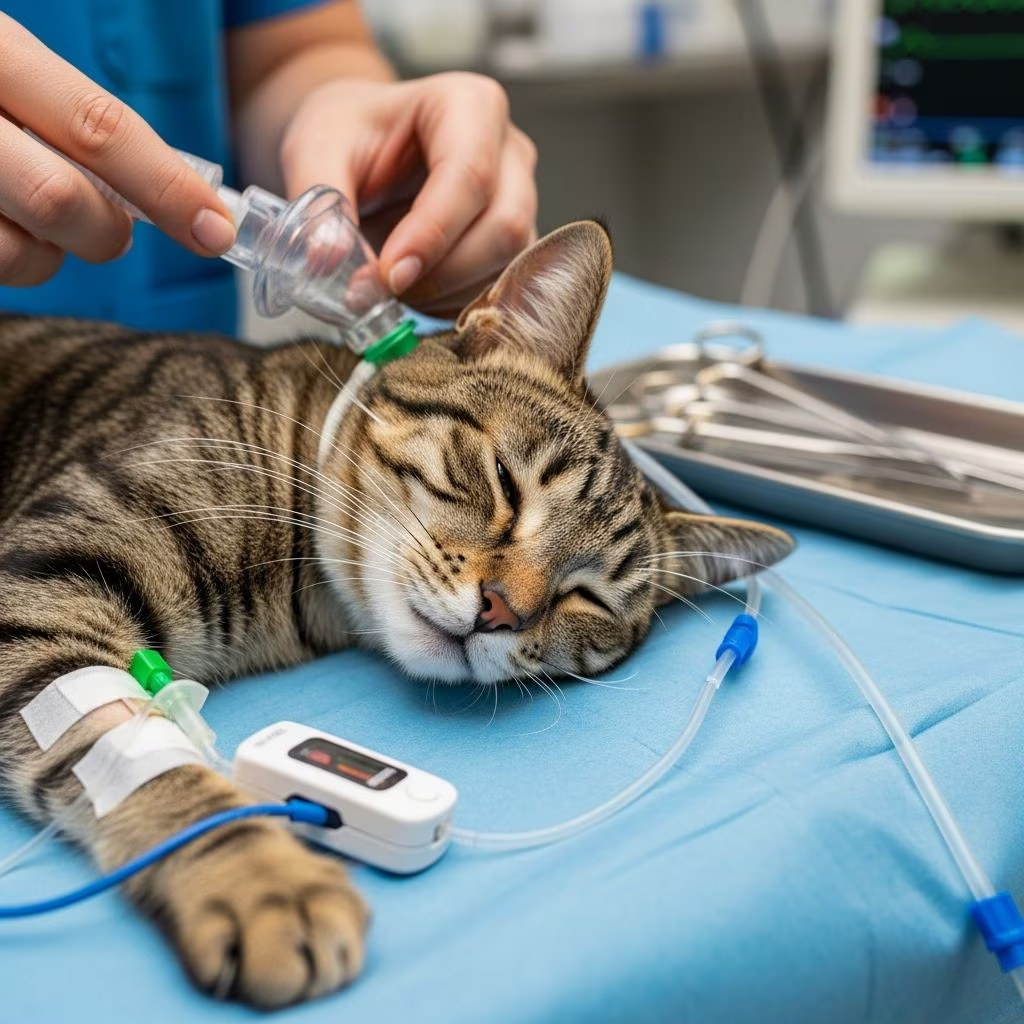
Feline anesthesia enables vital medical interventions while keeping cats comfortable and pain-free during surgeries and diagnostics. Modern veterinary practices make it remarkably safe, with fatality rates as low as 0.12% in healthy individuals, though vigilance remains essential.
Common Reasons Cats Require Anesthesia
Anesthesia is crucial for procedures that would otherwise cause significant distress or pain. It allows veterinarians to perform intricate tasks without the cat moving or experiencing discomfort.
- Spaying and neutering: Routine sterilization surgeries prevent unwanted litters and health issues like cancers.
- Dental procedures: Cleaning plaque buildup or extracting damaged teeth to combat painful oral diseases.
- Fracture repairs: Setting broken bones through orthopedic surgery for mobility restoration.
- Tumor removals: Excising cancerous or benign growths to improve longevity and comfort.
- Imaging and diagnostics: X-rays or ultrasounds where stillness is required for accurate results.
These interventions enhance quality of life, addressing conditions from routine maintenance to life-threatening illnesses.
Understanding the Risk Profile
While benefits often outweigh dangers, anesthesia carries inherent risks. Studies indicate a 0.24% mortality rate in cats, higher than dogs at 0.17%, influenced by factors like age and health status.
| Risk Factor | Impact on Cats | Prevalence/Notes |
|---|---|---|
| Age extremes | Higher mortality | Cats over 12 years twice as likely to face issues |
| Pre-existing conditions | Increased complications | Heart, kidney, liver diseases elevate risks |
| Non-elective procedures | Elevated fatality | Emergency surgeries heighten dangers |
| Anesthetic reactions | Mild to severe | 1 in 100,000 experience anaphylaxis or death |
Healthy cats face about 0.12% fatal complication probability, underscoring overall safety when protocols are followed.
Potential Complications to Watch For
Adverse events range from mild to severe, but most are preventable with preparation.
- Hypotension: Low blood pressure affects 8.5% of cases, managed via monitoring.
- Temperature dysregulation: Hypothermia common due to procedural exposure.
- Respiratory issues: Breathing difficulties or aspiration pneumonia from improper fasting.
- Cardiac irregularities: Heart rhythm changes or reduced output.
- Rare severe outcomes: Organ failure, seizures, clotting disorders, or visual changes.
Aspiration pneumonia arises if stomach contents enter lungs post-vomiting under anesthesia, lacking swallow reflex. Kidney dysfunction post-procedure hits 0.9-2%, mitigated by fluids.
Pre-Procedure Safety Protocols
Veterinarians employ rigorous steps to minimize hazards, tailoring plans to each cat’s profile.
- Comprehensive exam: Physical assessment detects heart, lung, or organ issues.
- Lab work: Blood and urine tests screen for anemia, diabetes, dehydration, or infections like heartworm.
- Imaging: Chest X-rays for older cats to rule out hidden pathologies.
- Fasting guidelines: No food 8-12 hours prior to prevent regurgitation.
- Custom protocols: Anesthetic agents selected based on age, weight, and health.
These measures identify subclinical problems, ensuring anesthesia proceeds only when advantageous.
During the Procedure: Monitoring and Support
Continuous oversight transforms anesthesia into a controlled process. Parameters tracked include:
- Blood pressure and heart rate via EKG.
- Oxygenation and CO2 levels.
- Body temperature to counter hypothermia.
- IV catheterization for fluids and emergency meds.
Intravenous fluids speed recovery and slash kidney risks by supporting organ perfusion. Intubation provides airway control, vital for invasive work, though cats risk laryngospasm requiring caution.
Procedural sedation alternatives exist for minor tasks but may not suit all, as general anesthesia offers superior control.
Post-Anesthesia Recovery Strategies
Recovery focuses on stability and comfort, typically in a warm, quiet area.
- Warming: Blankets or heated pads restore temperature.
- Monitoring: Vital signs checked until fully alert.
- Hydration and nutrition: Gradual reintroduction post-reflex return.
- Pain control: Analgesics prevent discomfort.
Most cats rouse quickly with fluids, minimizing that 2% at-risk group. Owners receive discharge instructions on incision care, activity limits, and warning signs like lethargy or vomiting.
Special Considerations for Vulnerable Cats
Senior, obese, or ill cats demand extra caution. Extremes in age or weight correlate with higher mortality. ASA status (health classification) guides risk assessment; even ‘healthy’ labeled seniors carry elevated odds.
Breeds prone to heart conditions or brachycephalic issues may need specialized agents. Always share full medical history for optimal planning.
FAQs on Feline Anesthesia
Is anesthesia safe for my healthy cat?
Yes, with fatality risks around 0.12-0.24%, lower than driving risks per some experts.
How long does recovery take?
Most cats are alert within hours, fully normal in 24-48 hours with proper care.
What if my cat has kidney issues?
Pre-op tests detect this; IV fluids significantly reduce post-op failure risks.
Can I feed my cat before?
No—fasting prevents deadly aspiration; follow vet timelines strictly.
Why choose general over sedation?
General offers better airway management for complex procedures.
Advancements Improving Feline Anesthesia Safety
Ongoing research refines protocols. Guidelines from bodies like AAFP emphasize evidence-based monitoring. Multimodal analgesia reduces drug doses, cutting side effects. Tech like capnography enhances respiratory tracking.
Vets weigh benefits against risks meticulously—e.g., dental cleanings prevent abscesses far outweighing rare complications.
References
- Is Anesthesia Safe for My Cat? — Newport Harbor Animal Hospital. 2023. https://www.newportharborvets.com/services/cats/blog/anesthesia-safe-my-cat
- Anesthesia for Cats — VCA Animal Hospitals. 2024. https://vcahospitals.com/know-your-pet/anesthesia-for-cats
- Cat Anesthesia — Cobblestone Veterinary Hospital. 2023. https://www.cobblestone.vet/services/cats/cat-anesthesia
- Anesthesia for Cats: What Is It, and Why Is It Used? — PetMD. 2024. https://www.petmd.com/cat/procedure/anesthesia-for-cats
- Feline procedural sedation and analgesia: When, why and how — PMC (PubMed Central). 2024-01-15. https://pmc.ncbi.nlm.nih.gov/articles/PMC10814218/
- HOW SAFE IS ANESTHESIA FOR DOGS AND CATS? — ASPCApro. 2023. https://www.aspcapro.org/sites/default/files/wysiwyg-uploads/asna_reference_safe_anesthesia.pdf



