

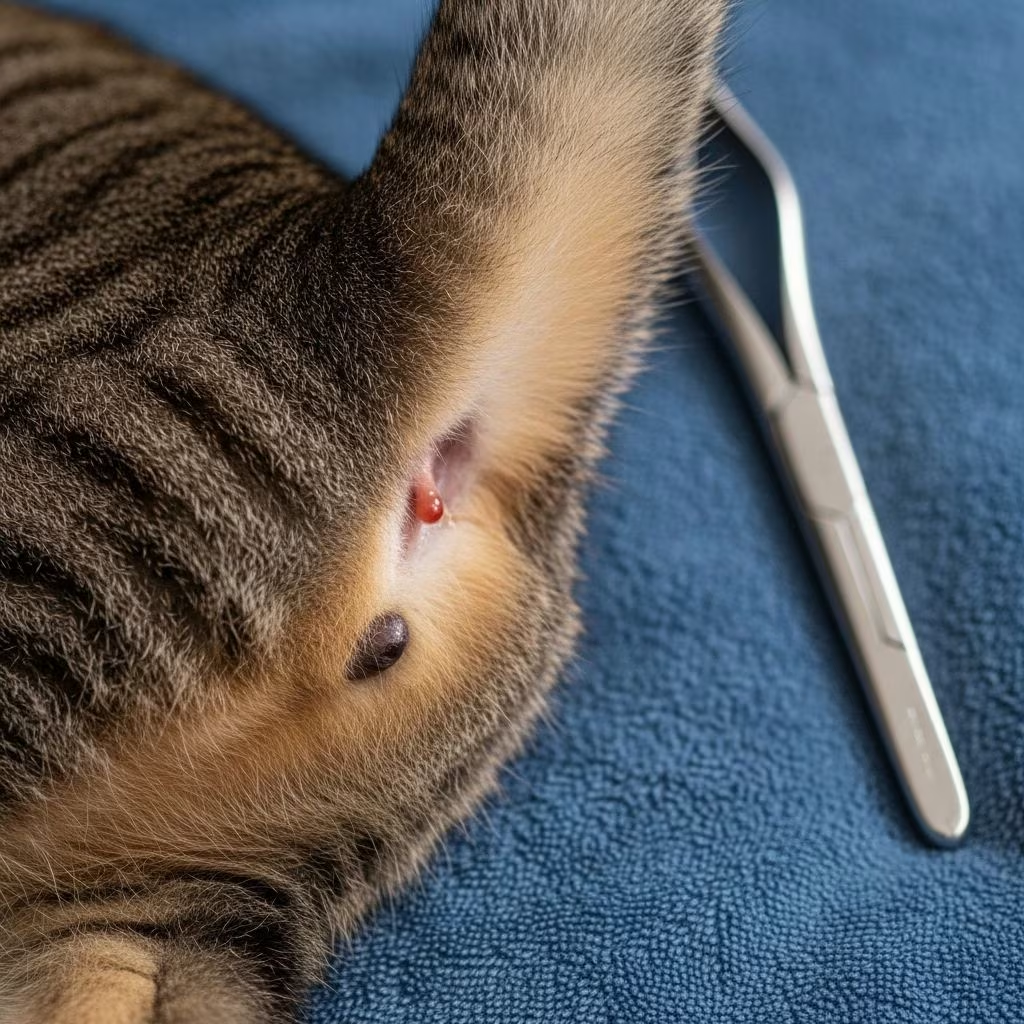
Cat anal glands, also known as anal sacs, play a key role in feline communication and territory marking. Located on either side of the anus, these small pouches produce a pungent fluid released during defecation. While healthy cats manage this process naturally, issues like impaction, infection, or abscesses can arise, causing discomfort and requiring veterinary intervention. Understanding these glands helps cat owners spot problems early and ensure their pet’s well-being.
What Are Cat Anal Glands?
Anal glands in cats are two pea-sized sacs positioned at the 4 and 8 o’clock positions inside the anus. They contain specialized cells that secrete a thick, oily, foul-smelling liquid. This fluid marks the cat’s stool, aiding in territory identification among other cats. The sacs connect to the anus via narrow ducts, and the fluid is naturally expressed when firm stool passes, applying pressure to squeeze it out.
In healthy cats, this mechanism works seamlessly without notice. The glands refill continuously, but problems occur when the fluid thickens, ducts narrow, or expression fails, leading to buildup and irritation. Both male and female cats have these glands, and issues can affect any age, breed, or sex.
Function of Anal Glands in Cats
The primary role of cat anal glands is scent marking. The unique, fishy odor of the secretion helps cats communicate identity, status, and territory boundaries. Cats can also voluntarily express glands when scared or threatened, releasing fluid as a defense. During normal defecation, the pressure from firm feces empties the sacs, preventing overflow.
- Territory marking: Fluid on stool signals presence to other cats.
- Defensive mechanism: Manual expression under stress.
- Natural emptying: Via firm bowel movements.
Disruptions in stool consistency or gland function interrupt this balance, paving the way for disease.
Common Anal Gland Problems in Cats
Though less frequent in cats than dogs, anal gland issues include impaction, infection, abscesses, and rarely tumors. Impaction is most common, where thickened secretion clogs ducts. Infections (sacculitis) follow, with bacteria causing swelling. Abscesses form from severe infections, potentially rupturing. Tumors like adenocarcinoma occur in older cats.
| Problem | Description | Severity |
|---|---|---|
| Impaction | Thickened fluid blocks ducts; painful pressure buildup. | Mild to moderate |
| Infection | Bacterial invasion; pus, swelling, odor. | Moderate |
| Abscess | Ruptured infection; bloody discharge, wound. | Severe |
| Tumor | Cancerous growth; swelling, persistent symptoms. | Serious |
Early detection prevents escalation.
Symptoms of Anal Gland Issues in Cats
Watch for behavioral and physical signs indicating anal gland distress. Cats hide pain, so subtle cues matter.
- Scooting: Dragging rear on floors to relieve pressure.
- Excessive licking/chewing: Under tail or anal area.
- Straining to defecate: Vocalizing, constipation.
- Foul odor: Fishy smell from leaking fluid on fur, bedding.
- Visible swelling: Red lumps beside anus; bloody discharge if ruptured.
- Litter box avoidance: Pooping outside box due to pain.
- Tail chasing or hair matting: Around anus.
If multiple signs appear, consult a vet promptly.
Causes and Risk Factors
Several factors contribute to anal gland dysfunction, often linked to lifestyle and health.
- Diet: Low-fiber, poor-quality food leads to soft stools unable to express glands.
- Obesity: Excess weight alters anatomy, hinders expression.
- Stool issues: Diarrhea, constipation, infrequent bowels.
- Allergies/IBD: Food/environmental allergies, inflammatory bowel disease cause chronic irritation.
- Anatomy/Neurology: Abnormal duct structure or nerve function.
- Age: Older cats prone to tumors.
Addressing root causes prevents recurrence.
Diagnosis of Cat Anal Gland Disease
Vets diagnose via physical exam, expressing glands externally or digitally. Swollen, discolored (brown to pus-like) fluid confirms issues. Swabs test for infection type. Imaging or biopsy rules out tumors in persistent cases. Early exams resolve most problems quickly.
Do not attempt home expression; small glands risk injury.
Treatment Options for Anal Gland Problems
Treatment varies by severity, always under vet care.
- Impaction: Manual emptying; symptoms resolve in 24 hours. Sedation if needed.
- Infection: Antibiotics (oral/injected/topical), pain relief, flushing.
- Abscess: Drainage, antibiotics, e-collar to prevent licking.
- Recurrent/Underlying: Diet change, fiber supplements, weight management.
- Tumors: Surgery, chemo; prognosis varies.
Routine expression only for chronic cases.
Prevention Tips for Healthy Anal Glands
Proactive steps maintain gland health.
- High-fiber diet: Promotes firm stools for natural expression.
- Weight control: Regular exercise, portion control.
- Hydration: Fresh water prevents constipation.
- Regular vet checks: Early detection during exams.
- Allergy management: Hypoallergenic food if needed.
Pumpkin or psyllium supplements aid fiber intake.
When to See a Vet
Seek care within 24-48 hours for abscesses, scooting, or swelling. Non-urgent full glands: within 5 days. Recurrent issues warrant underlying condition workup. Emergency if unable to defecate or severe lethargy.
Frequently Asked Questions (FAQs)
Do cats need their anal glands expressed regularly?
No, healthy cats express naturally. Routine expression is only for chronic issues, done by vets.
Why is my cat scooting on the floor?
Scooting often signals full or impacted glands; vet emptying relieves it.
Can diet help with anal gland problems?
Yes, high-fiber diets firm stools, aiding expression and reducing risks.
Are anal gland issues common in cats?
Less common than dogs but possible; obesity and poor diet increase risk.
What happens if an anal gland abscess ruptures?
Rupture causes painful wounds with bloody discharge; requires vet drainage and antibiotics.
Conclusion
Cat anal glands are vital yet prone to issues manageable with awareness and vet care. Firm stools, healthy weight, and prompt symptom response keep your cat comfortable. Consult professionals for tailored advice.
References
- Anal gland disease in cats — Joii Pet Care. 2023. https://www.joiipetcare.com/blogs/health-conditions/anal-gland-disease-in-cats
- Cat anal glands: symptoms, blocked sacs, and treatment — Pet Health Club. 2024. https://www.pethealthclub.com/uk/pet-advice/anal-sac-disorder-in-cats
- Anal Glands in Cats: What Are They, and How Do They Work? — PetMD. 2024-05-15. https://www.petmd.com/cat/general-health/anal-glands-in-cats
- Cat Anal Gland Info — Vetnique. 2023. https://vetnique.com/pages/cat-anal-gland-info
- Anal Sac Disease in Cats — VCA Animal Hospitals. 2024. https://vcahospitals.com/know-your-pet/anal-sac-disease-in-cats



