

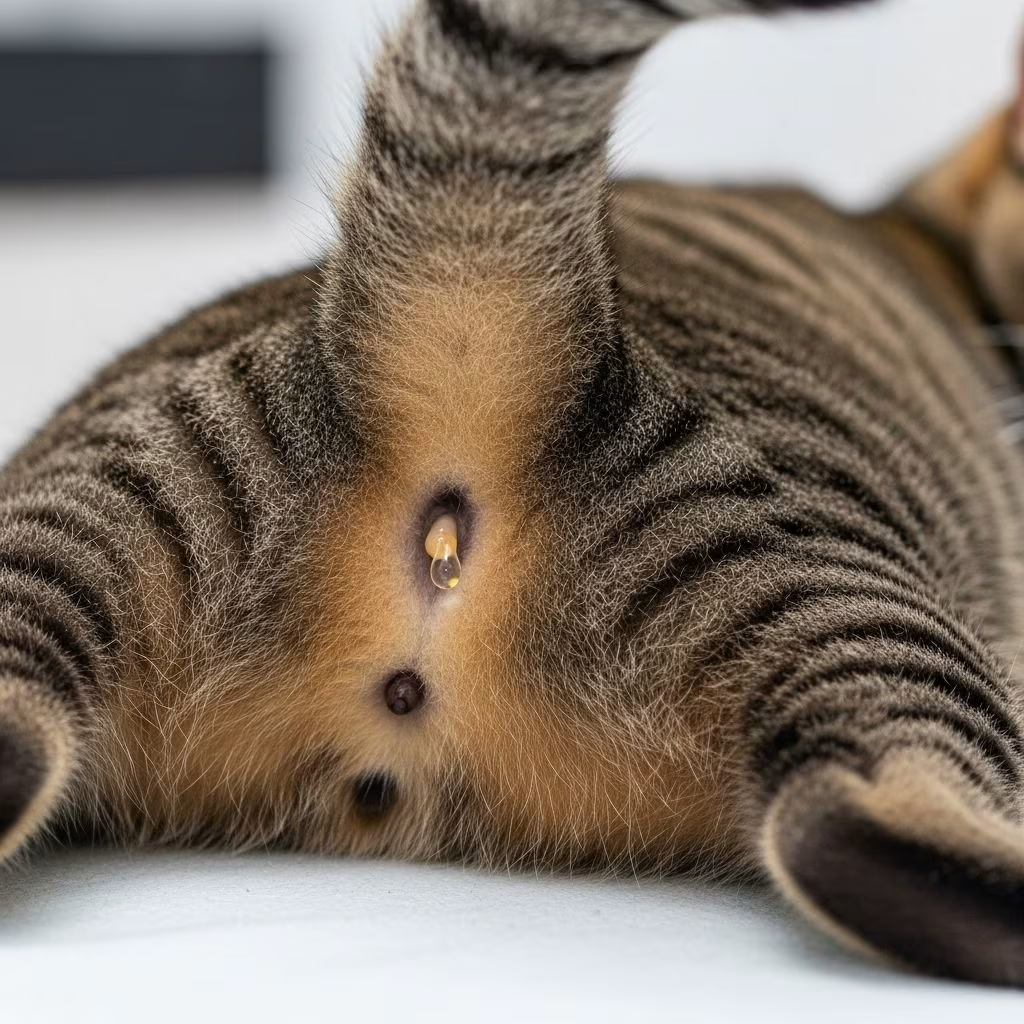
Understanding Cat Anal Glands and Discharge
Cat anal glands are small pouches located on either side of your cat’s anus that produce a distinctive secretion. These glands serve an important purpose in your cat’s anatomy—they help mark territory and communicate with other cats through scent. In healthy cats, the anal glands naturally express their contents during normal bowel movements. However, when these glands become impacted, infected, or inflamed, they can cause significant discomfort and lead to discharge that affects your cat’s quality of life.
Understanding your cat’s anal glands is essential for recognizing problems early and seeking appropriate treatment. When anal gland secretions cannot drain properly, whether due to thickening of the material, blockages of the gland openings, or anatomical peculiarities in some cats, inflammation can occur. This accumulation of secretions can be further aggravated by bacterial infections, creating a painful condition that requires professional attention.
Common Symptoms of Anal Gland Problems
Recognizing the signs that your cat has anal gland issues is crucial for prompt treatment. Cats with anal gland problems typically exhibit distinctive behavioral and physical symptoms that warrant immediate veterinary examination.
Behavioral Signs:
- Anal scooting or dragging the bottom across the floor (often called sledding)
- Excessive licking, chewing, or biting at the tail or rectal area
- Overgrooming of the anal region
- Reluctance to sit or discomfort when sitting
- Crying or vocalizing when defecating or when touched near the rear end
- Avoidance of the litter box
Physical Indicators:
- Visible redness and swelling around the anus
- A foul-smelling discharge on furniture, bedding, or your cat’s fur
- Open sores or wounds around the anal area
- Blood on the outside of stools
- Constipation or difficulty with bowel movements
- Unusual tail posture held low or awkwardly
The most obvious sign of anal gland problems is when your cat engages in scooting, actively sliding its bottom across the floor in an attempt to relieve the itching and discomfort in the anal area. If you notice any of these symptoms, scheduling a veterinary appointment should be your priority, as early detection and treatment can prevent further complications.
What Causes Anal Gland Issues in Cats
Several underlying conditions can lead to anal gland problems in cats. Understanding the causes helps you better manage your cat’s health and potentially prevent recurrence.
Impaction: The most common anal gland problem occurs when the duct that allows the gland to empty becomes clogged. This happens when the secretions thicken or when there is an abnormality in the duct structure itself. Impaction can develop in any cat but is more common in certain breeds or cats with digestive sensitivities.
Infection: When bacteria enter the anal glands, they can cause swelling, inflammation, and infection. Bacterial infections are often secondary to impaction, as accumulated secretions create an ideal environment for bacterial growth. An infected anal gland can progress to abscess formation if left untreated.
Other Contributing Factors: In rare cases, allergies or tumors can lead to anal gland inflammation. Additionally, obesity, chronic diarrhea, or anal gland duct abnormalities can increase the risk of anal gland disease. Diet plays a significant role—cats with insufficient dietary fiber may have softer stools that don’t provide adequate stimulation for natural gland expression.
Treatment Options for Anal Gland Issues
The appropriate treatment for your cat’s anal gland problem depends on the severity of the condition and what your veterinarian diagnoses. Multiple treatment approaches exist, ranging from simple home care to more intensive veterinary interventions.
Home Care for Mild Symptoms
For cats displaying mild anal gland symptoms, home care can provide relief while working with your veterinarian. However, it’s essential that a vet guides you through this process to ensure you’re addressing the underlying issue correctly.
Effective Home Remedies:
- Warm Compresses: Applying warm, damp cloths to the anal area can reduce swelling and discomfort while promoting healing. Use warm (not hot) water and apply for 5-10 minutes several times daily.
- Dietary Fiber: Adding canned pumpkin or a veterinarian-recommended fiber supplement encourages healthy bowel movements, which naturally express the anal glands. Increased dietary fiber helps bulk up your cat’s stool, making it easier to pass.
- Hydration: Ensuring fresh water is available and providing wet food can encourage proper hydration to support digestive health.
- Dietary Changes: A change in diet to foods rich in fiber can improve digestion and support natural emptying of the anal glands.
Important Safety Note: While home remedies can supplement veterinary care, avoid attempting to express the glands yourself unless you have been adequately trained by your veterinarian. Improper handling can cause injury or infection. Always monitor your cat closely for signs of worsening symptoms and maintain regular veterinary check-ups.
Veterinary Treatments
When home care is insufficient or the problem is more severe, your veterinarian offers several professional treatment options.
Manual Expression: For impacted anal glands, your vet can manually express the contents of the anal sacs by hand, typically while your cat is awake. If the glands are particularly painful or your cat is aggressive during the procedure, your veterinarian may administer a sedative or pain relief medication to minimize discomfort. This procedure typically provides immediate relief.
Flushing and Infusion: When impaction is severe or the material is hard and dry, your vet may rinse out the anal sacs with saline solution to remove solidified material completely. During this process, anti-inflammatory and antibiotic medications may be infused directly into the affected gland to promote healing and prevent infection.
Antibiotics: If infection is suspected, your veterinarian will prescribe antibiotics to eliminate bacteria from your cat’s system. Your vet may also send a culture and sensitivity test to the laboratory to ensure the correct antibiotic choice for your cat’s specific infection.
Medications: Anti-inflammatory medications and pain relievers help control inflammation and manage discomfort. Your veterinarian may also recommend ongoing pain management with warm compresses and prescribed medications.
Dietary Adjustments: Your vet might recommend increasing dietary fiber content and weight management to support healthy bowel function and natural gland expression.
Surgical Intervention: Only in severe cases that do not respond to conservative treatment will surgery to remove the anal glands be discussed. Anal gland removal surgery is complicated, may need to be performed by a surgical specialist, and can result in post-operative difficulties such as fecal incontinence. However, in most cases of anal gland problems in cats, surgery is not necessary, as manual treatment combined with medication and dietary changes are usually sufficient.
Managing Chronic Anal Gland Problems
For cats experiencing recurring anal gland issues, ongoing management is essential to maintain quality of life and prevent complications.
Regular Veterinary Monitoring: Cats with chronic anal gland problems require regular veterinary examinations to monitor their condition and adjust treatment as needed. Your veterinarian can create an individualized treatment plan that may include medications or dietary changes specific to your cat’s needs.
Dietary Management: Long-term dietary adjustments focused on fiber content and digestive health can help prevent future impaction. Your vet can recommend specific foods or supplements that work best for your cat.
Behavioral Monitoring: Be aware of any behavioral changes in your cat that may indicate recurring anal gland problems. Early detection of symptoms allows for prompt intervention before problems become severe. Close monitoring and prompt action at the first signs can help better manage chronic conditions and ensure your cat’s ongoing well-being.
Weight Management: Maintaining a healthy weight helps reduce the risk of anal gland impaction and supports overall digestive health. Your veterinarian can provide guidance on appropriate weight management strategies for your cat.
Frequently Asked Questions
Q: How do I know if my cat needs their glands expressed?
A: If your cat shows symptoms such as scooting, chewing or licking at the tail or rectal area, visible swelling or redness near the anus, foul-smelling discharge, crying when touched near the rear end, or avoidance of the litter box, they should be examined by your vet right away. These signs may indicate anal gland problems requiring professional attention.
Q: What should I do if my cat’s anal glands are blocked?
A: If your cat’s anal glands are blocked, your vet may manually drain them, which may require light anesthesia to minimize pain. Anti-inflammatory medications and antibiotics may be used to control inflammation and fight bacterial infection. In severe cases, repeated flushing of the anal glands may be necessary. Regular veterinary check-ups help monitor your cat’s condition and adjust treatment as needed.
Q: Can I express my cat’s anal glands at home?
A: It is not recommended to express your cat’s anal glands at home unless you have been trained by your veterinarian. Improper handling can cause injury or infection to the sensitive tissue in this area. Always leave this procedure to trained veterinary professionals.
Q: Why does my cat have a red anus?
A: A red anus in your cat can be a symptom of anal gland inflammation. Typical signs of inflammation include redness, swelling in the anal area, and an unpleasant smell. It is important that you have your cat examined by a veterinarian to determine the exact cause and begin appropriate treatment.
Q: What is the difference between impaction and infection?
A: Impaction occurs when anal gland secretions thicken or the duct becomes blocked, preventing natural drainage. Infection develops when bacteria enters the gland and causes swelling and inflammation. Impaction can lead to infection if not treated promptly. Both conditions require veterinary attention, though infection typically requires antibiotic treatment in addition to expression.
Q: Will my cat need surgery for anal gland problems?
A: In most cases, surgery is not necessary for anal gland problems in cats. Manual expression combined with medication and dietary changes are usually sufficient to resolve the issue. Surgery to remove the anal glands is reserved only for severe cases that do not respond to conservative treatment, as it is a complicated procedure that can result in post-operative complications.
References
- Effective Anal Gland Cat Home Remedies and Care Tips — Flappie Doors. Accessed January 2026. https://flappiedoors.com/en/blogs/gesundheit-katze/analdruese-katze-hausmittel
- Understanding Cat Anal Glands and Discharge — Kinship. Accessed January 2026. https://www.kinship.com/cat-health/cat-anal-glands-discharge
- How do I know if my cat has anal gland issues? — Vetster Wellness. Accessed January 2026. https://vetster.com/en/wellness/how-do-i-know-if-my-cat-has-anal-gland-issues
- Anal Sac Disease in Cats — VCA Animal Hospitals. Accessed January 2026. https://vcahospitals.com/know-your-pet/anal-sac-disease-in-cats
- Anal Sac Problems in Cats — WebMD Pets. Accessed January 2026. https://www.webmd.com/pets/cats/anal-sac-problems-cats



