

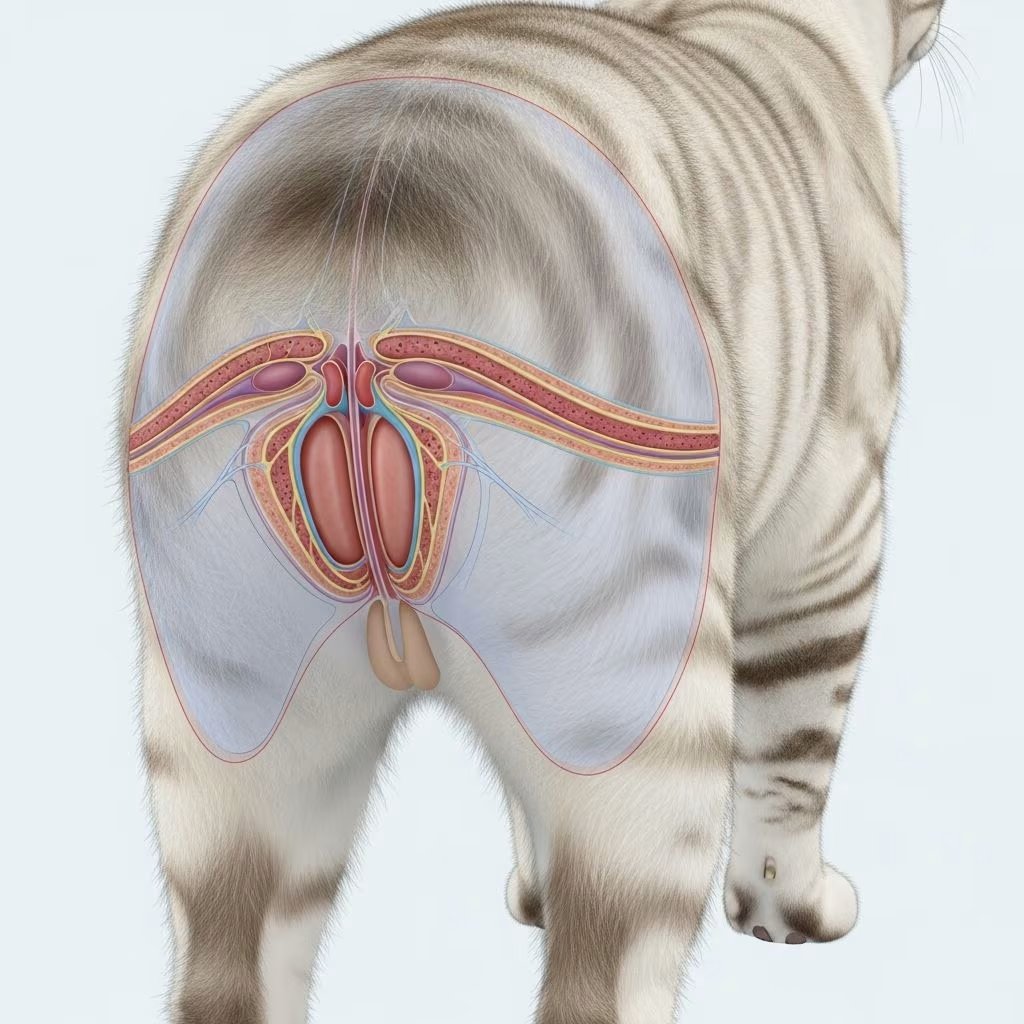
Cat anal glands, small sacs near the anus, produce a distinctive fluid for territory marking and communication. Understanding their function helps owners spot issues early for better pet health.
The Anatomy and Location of Feline Anal Glands
Every cat, regardless of sex, possesses a pair of anal glands positioned symmetrically on either side of the anus. These pea-sized structures sit internally, with tiny ducts opening at roughly the 4 and 8 o’clock positions if visualized as a clock face around the rectal area. The glands feature specialized cells that secrete a thick, odorous liquid, which accumulates until naturally released. Unlike visible external features, these glands remain hidden unless inflammation causes noticeable swelling.
The duct system connects the sacs to the rectum’s interior, allowing fluid expulsion during routine activities. This setup ensures efficient function without owner intervention in healthy animals.
Primary Functions in Feline Biology
These glands play a key role in feline social dynamics. The pungent secretion acts as a unique identifier, akin to a personal signature, deposited on feces during defecation to claim territory. Cats may also voluntarily release the fluid when startled, serving as a defense mechanism similar to skunk spray to deter threats.
- Territory marking: Informs other cats of presence and boundaries.
- Communication aid: Contributes to complex scent-based interactions alongside pheromones from facial glands.
- Defensive response: Sudden release during fear or aggression.
While domesticated cats rarely need this for survival, maintaining gland health supports emotional well-being through proper signaling.
Recognizing Common Symptoms of Gland Dysfunction
Healthy glands empty effortlessly with firm stool pressure. Problems arise when secretions thicken, ducts narrow, or infections develop, leading to impaction. Watch for these indicators:
- Butt scooting across floors or carpets.
- Excessive tail-base licking or grooming.
- Foul, fishy odors from hindquarters or bedding.
- Vocalizing or straining during litter box visits.
- Visible redness, swelling, or blood near the anus.
- Constipation or avoidance of defecation.
Severe cases may result in abscesses or ruptures, causing pus discharge and pain. Early detection prevents escalation.
Root Causes Behind Anal Gland Problems
Several factors contribute to dysfunction, often linked to lifestyle or health conditions. Soft stools fail to provide sufficient pressure for expression, while poor diet exacerbates this.
| Cause | Description | Impact |
|---|---|---|
| Low-fiber diet | Results in loose stools lacking firmness. | Prevents natural squeezing of glands. |
| Obesity | Alters anatomy and stool consistency. | Hinders proper defecation mechanics. |
| Infections or allergies | Bacteria thrive in stagnant fluid. | Leads to inflammation and thickening. |
| Tumors | Rare growths obstruct ducts. | Causes chronic blockage. |
| Anatomical issues | Narrow ducts from birth. | Impedes fluid flow consistently. |
Addressing underlying issues like diet resolves many cases without repeated interventions.
Professional Expression Techniques
Manual expression relieves built-up fluid but requires expertise due to the glands’ small size and cat sensitivity. Veterinarians use gloved fingers to gently compress the sacs externally or internally via the rectum.
- Secure the cat comfortably, often with mild sedation.
- Locate glands by feel at 4 and 8 o’clock.
- Apply steady, gentle pressure toward the duct openings.
- Flush with saline if infected; prescribe antibiotics as needed.
Home expression suits rare chronic cases under vet training; otherwise, it risks injury.
Dietary and Lifestyle Prevention Strategies
Proactive measures promote natural expression. High-fiber foods firm stools, mimicking wild diets.
- Incorporate pumpkin, psyllium, or vet-recommended supplements.
- Maintain ideal weight through portion control and exercise.
- Ensure ample water intake for hydration.
- Schedule regular vet check-ups for early screening.
Raw or high-quality commercial diets with natural fibers often suffice, reducing recurrence.
Treatment Options for Advanced Conditions
Impacted glands respond well to expression and flushing. Infections demand antibiotics, while abscesses may require drainage and pain relief. Surgical removal is a last resort for recurrent tumors or severe anatomical defects, allowing normal lives post-procedure.
Holistic approaches like probiotics support gut health, indirectly aiding gland function.
When to Seek Immediate Veterinary Care
Consult a vet if symptoms persist beyond 24 hours or worsen. Ruptures, excessive bleeding, or lethargy signal emergencies. Routine exams during annual visits catch subclinical issues.
FAQs on Cat Anal Glands
Do all cats require anal gland expression?
No, healthy cats express naturally. Only those with issues need assistance.
Can diet alone fix gland problems?
Often yes, by promoting firm stools, but vet evaluation rules out other causes.
Is home expression safe for cats?
Rarely; professional handling minimizes stress and injury.
What breeds are prone to anal gland issues?
No specific breeds, but overweight or soft-stooled cats face higher risks.
Can anal glands regrow after removal?
No, but cats adapt fully without functional loss.
Long-Term Management for Recurrent Cases
For prone cats, combine diet, supplements, and bi-monthly expressions. Track symptoms in a journal to identify triggers. Emerging research explores microbiome links to gland health, suggesting tailored probiotics.
Owners report success with increased pumpkin (1 tsp daily) and weight management, slashing vet visits by half in monitored cases.
References
- Cat Anal Gland Info — Vetnique Labs LLC. 2023. https://vetnique.com/pages/cat-anal-gland-info
- Anal Glands in Cats: What Are They, and How Do They Work? — PetMD. 2024-01-15. https://www.petmd.com/cat/general-health/anal-glands-in-cats
- Everything You Need to Know About Your Pet’s Anal Glands — Vital Essentials. 2023. https://www.vitalessentials.com/raw-guide/everything-you-need-to-know-about-your-pet-s-anal-glands-function-health-and-maintenance
- Anal Sac Disease in Cats — VCA Animal Hospitals. 2024. https://vcahospitals.com/know-your-pet/anal-sac-disease-in-cats
- Cat Anal Gland Care — MaxxiPaws. 2023. https://maxxipaws.com/cat-anal-gland-care/



