

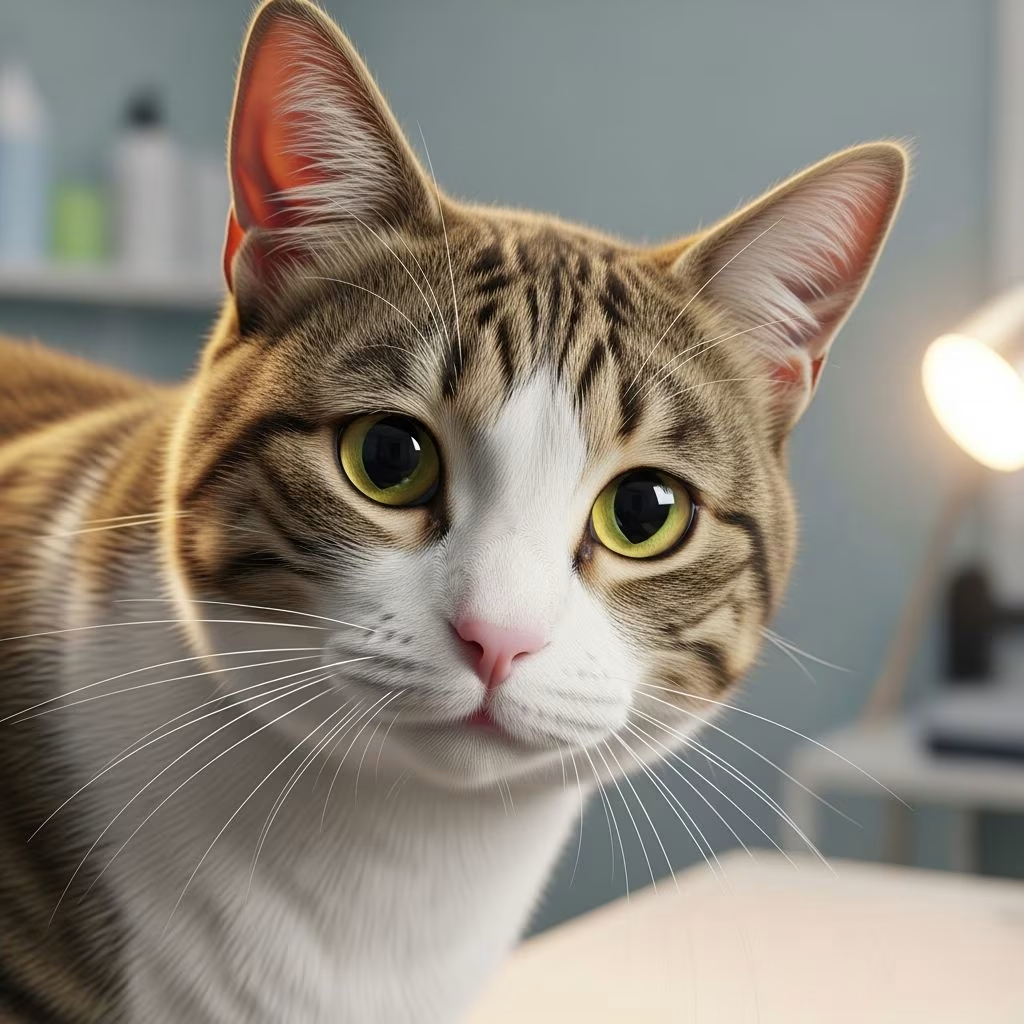
Detecting a strong, unpleasant odor from your cat’s rear end can be alarming for pet owners. This smell often originates from the **cat anal glands**, small sacs located on either side of the anus that produce a pungent secretion for territorial marking. While a mild scent during defecation is normal, a persistent foul smell signals potential issues like impaction, infection, or abscesses. Understanding these glands’ function and recognizing problems early can prevent discomfort and serious health complications for your feline companion.
Anal glands, also called anal sacs, release a thick, oily fluid containing proteins, fatty acids, and other compounds that create a unique odor for communication with other cats. In healthy cats, this fluid expresses naturally during bowel movements, triggered by firm stool pressure. However, when glands fail to empty properly, owners notice an intense “fishy” or rotten smell, scooting, licking, or visible swelling. Prompt veterinary intervention is crucial, as untreated issues can lead to pain, infection, or rupture.
Why Do Anal Glands Smell?
The distinctive **anal gland smell** in cats stems from a complex mixture of oily substances, proteins, and volatile compounds designed as scent markers. This secretion helps cats identify each other and claim territory, similar to how dogs use theirs. Normally, you won’t detect this odor unless during defecation or high-stress situations like vet visits, where glands may involuntarily express.
A persistent, intense foul smell indicates trouble. Healthy glands produce a thin, brown fluid with a moderate odor, but problems thicken the secretion, amplifying the stench. Bacteria entering the ducts from the rectum exacerbate this, turning the smell rancid. If your cat grooms excessively around the anus or leaves smelly spots on furniture, these are red flags for gland dysfunction.
- Normal function: Fluid mixes with feces for scent marking, unnoticed by owners.
- Abnormal signs: Overpowering odor, especially without recent defecation.
Anal Gland Problems in Cats
Cats can experience various **anal gland issues**, ranging from mild inflammation to severe infections. These problems disrupt normal emptying, causing buildup, pain, and odor. Common conditions include impaction (blockage), inflammation (anal sacculitis), infection, abscesses, and rarely, tumors.
Anal Gland Inflammation (Anal Sacculitis)
**Anal gland inflammation**, or anal sacculitis, involves swollen, irritated glands producing a particularly foul odor. Causes include blockages, bacterial entry, or injury. Affected cats show discomfort, such as scooting or tail-chasing, and may develop abscesses if untreated. Veterinary evaluation is essential to rule out deeper infections.
Anal Gland Infection
An **anal gland infection** occurs when rectal bacteria ascend the ducts, multiplying and thickening secretions. This leads to impaction and pus-like fluid with a putrid smell. Symptoms include licking the rear, swelling, and pain during defecation. Early antibiotics prevent progression to abscesses.
Anal Gland Tumors
Though rare, **cat anal gland tumors** can form as benign growths or malignant adenocarcinomas. They appear as firm swellings near the anus, often with persistent odor. Diagnosis via biopsy is key, with treatments like surgery, chemotherapy, or radiation offering better outcomes through early detection.
Abscess
Severe infections cause **anal gland abscesses**, where pressurized pus ruptures the skin, releasing bloody, foul discharge. Unruptured abscesses present as painful, hot swellings. Vets lance persistent ones, prescribe antibiotics, and recommend pain relief for healing.
Causes of Anal Gland Problems in Cats
Several factors contribute to **anal gland dysfunction** in cats. Most felines maintain healthy glands effortlessly, but predisposing conditions increase risk.
| Cause | Description | Risk Factors |
|---|---|---|
| Poor Hygiene | Inadequate grooming leads to irritation and bacterial buildup around the anus. | Obesity, arthritis limiting self-cleaning. |
| Diet Issues | Low-fiber diets cause soft stools, failing to express glands naturally. | Chronic diarrhea, poor-quality food. |
| Obesity | Excess weight hinders grooming and stool firmness. | Sedentary lifestyle, overfeeding. |
| Bacteria | Rectal flora invades ducts, causing infection. | Compromised immunity. |
| Tumors or Anatomy | Rare growths or malformed canals prevent proper emptying. | Genetic predisposition. |
Poor Hygiene and Diet
Obese or arthritic cats struggle with grooming, allowing soiling and infection. Soft stools from low-fiber diets lack bulk to squeeze glands. Solutions include high-fiber foods, omega-3 supplements for inflammation, and regular rear checks.
Signs Your Cat Has Anal Gland Issues
Recognize **anal gland problems** early through these symptoms:
- Foul odor: Persistent fishy or rotten smell from rear.
- Scooting: Dragging rear on floors to relieve pressure.
- Excessive licking: Obsessive grooming of anus or tail base.
- Swelling or lumps: Visible/palpable masses near anus.
- Pain behaviors: Crying during defecation, straining, or aggression when touched.
- Bloody discharge: From ruptured abscesses.
- Smelly spots: Liquid stains on furniture from leaking glands.
If multiple signs appear, schedule a vet visit immediately to avoid complications.
Veterinary Treatment Options for Cat Anal-Gland Issues
Treatment targets the underlying cause, restoring gland function.
Professional Expression of Anal Glands
Vets manually express **impacted glands** by applying gentle pressure externally or internally. Severe cases require flushing under sedation to clear debris.
- Manual expression: Quick relief for full glands.
- Flushing: Removes thick material, often with antibiotics.
Other Treatments
- Antibiotics: Oral, injectable, or topical for infections.
- Anti-inflammatories/Pain relief: Reduces swelling and discomfort.
- Dietary changes: High-fiber formulas for firmer stools.
- Surgery (Anal Sacculectomy): Last resort for recurrent cases, removing glands despite risks like incontinence.
Address root causes like obesity or allergies for long-term success.
Home Care and Prevention Tips
Support vet care with these **home remedies** and preventatives:
- Warm compresses: Apply damp cloth 5-10 minutes, 2-3 times daily for soothing.
- Cleaning: Use pet-safe wipes or warm water on soiled areas.
- Diet boosts: Add pumpkin, bran, or probiotics for fiber; ensure hydration with wet food.
- Exercise: Promote weight loss and firm stools via play.
- Omega-3s: Reduce inflammation.
- Regular checks: Monitor rear during grooming sessions.
Avoid DIY expression, as it risks injury. Prevention through diet and hygiene minimizes recurrence.
Frequently Asked Questions (FAQs)
Q: Is it normal for cat anal glands to smell?
A: Mild odor during defecation is normal, but strong, persistent smells indicate problems like impaction or infection requiring vet attention.
Q: Can I express my cat’s anal glands at home?
A: Not recommended; improper technique can cause injury. Leave it to professionals.
Q: How often do cats need anal glands expressed?
A: Healthy cats self-express; only chronic cases need regular vet expressions.
Q: What diet helps with anal gland issues?
A: High-fiber foods, pumpkin supplements, and adequate water promote firm stools for natural expression.
Q: When is surgery necessary for anal glands?
A: In recurrent, unresponsive cases, anal sacculectomy may be advised after other treatments fail.
By staying vigilant about your cat’s anal health, you can ensure a comfortable, odor-free life. Consult your vet for personalized advice.
References
- Anal Sac Disease in Cats — VCA Animal Hospitals. 2023. https://vcahospitals.com/know-your-pet/anal-sac-disease-in-cats
- Anal Gland Disorders in Cats — PetMD. 2024-05-15. https://www.petmd.com/cat/conditions/skin/anal-gland-disorders-cats
- Anal Sac Disease in Cats — Pet Health Network. 2023. https://www.pethealthnetwork.com/cat-health/cat-diseases-conditions-a-z/anal-sac-disease-cats
- Anal Sac Disease in Cats — The Drake Center for Veterinary Care. 2024. https://www.thedrakecenter.com/resources/materials/cats/anal-sac-disease-cats
- Anal Gland Disease in Cats — Joii Pet Care. 2024-01-10. https://www.joiipetcare.com/blogs/health-conditions/anal-gland-disease-in-cats



