

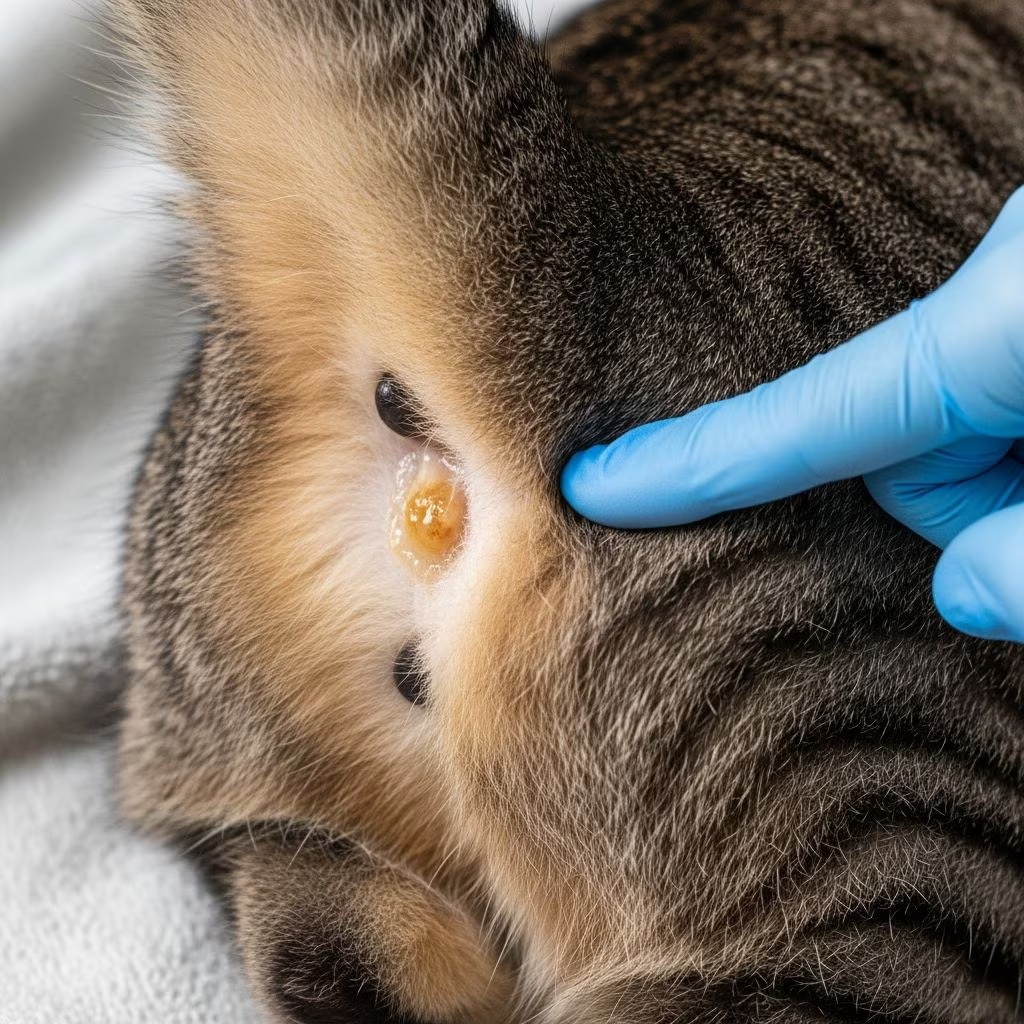
Anal gland discharge in cats is a common issue where small sacs near the anus fail to empty properly, leading to discomfort, odor, and potential infections. These glands naturally express during defecation, but blockages or inflammation can cause problems requiring veterinary attention.
What Are Anal Glands in Cats?
Anal glands, also called anal sacs, are two small pouches located on either side of a cat’s anus, typically at the 4 and 8 o’clock positions. They produce a thick, smelly secretion used for scent marking and territorial communication. In healthy cats, these glands empty naturally when the cat defecates, propelled by firm stool pressure.
Each sac connects to the anus via a duct. The fluid inside is oily and pungent, helping cats identify each other. Problems arise when secretions thicken, ducts narrow, or stool is too soft to express the glands, leading to impaction, infection, or abscesses.
Normal vs. Abnormal Anal Gland Discharge
Normal discharge is minimal, occurring during bowel movements without noticeable odor or staining. You might see slight brown marks on stool, which is typical. Abnormal discharge appears as excessive, bloody, pus-like, or foul-smelling fluid, often with visible leakage, scooting, or matted fur around the anus.
- Normal: Clear to brown, scant secretion on stool; no behavioral changes.
- Abnormal: Thick, bloody, or pus-filled discharge; strong fishy or rotten odor; wetness or soiling around tail base.
Chronic issues can lead to recurrent discharge, indicating underlying problems like allergies or poor diet.
Symptoms of Anal Gland Problems in Cats
Cats with anal gland issues show clear behavioral and physical signs. Early recognition prevents escalation to abscesses or ruptures.
- Scooting: Dragging rear on floors or carpets to relieve pressure (classic “scooting” behavior).
- Excessive licking/chewing: Constant attention to anus, tail base, or rear legs; hair loss from overgrooming.
- Foul odor: Fishy, rotten, or bloody smell from rear end.
- Swelling/redness: Hard lumps, inflammation, or wounds near anus.
- Defecation issues: Straining, constipation, blood on stool, or pain vocalization.
- Discomfort: Reluctance to sit, tail held abnormally, or aggression when touched.
Symptoms like open sores or draining wounds signal abscesses needing immediate care.
Causes of Anal Gland Discharge in Cats
Several factors contribute to anal gland dysfunction. Identifying the root cause guides effective treatment.
- Impaction: Thickened secretions from dehydration, soft stools, or narrow ducts block natural emptying.
- Infection: Bacteria thrive in stagnant fluid, causing inflammation (impacted glands) or pus-filled abscesses.
- Diet-related: Low-fiber diets produce loose stools unable to compress glands.
- Anatomical issues: Breed predispositions or congenital narrow ducts in some cats.
- Other: Allergies, obesity, diarrhea, or tumors (rare).
| Cause | Common Signs | Risk Factors |
|---|---|---|
| Impaction | Scooting, licking | Soft stool, low fiber diet |
| Infection/Abscess | Swelling, discharge, odor | Untreated impaction |
| Diet | Recurrent issues | Poor nutrition, obesity |
When to See a Vet for Anal Gland Issues
Consult a vet at first signs like persistent scooting, odor, or swelling. Delays risk abscess rupture, chronic pain, or sepsis. Vets diagnose via physical exam, possibly cytology or imaging.
- Immediate vet visit if: Fever, lethargy, non-healing wounds, or blood/discharge.
- Routine checks for chronic cases or breeds prone to issues (e.g., overweight cats).
Home expression is risky and not recommended without training; pros prevent injury.
Diagnosis of Anal Gland Problems
Vets gently express glands externally or internally to assess contents: color, consistency, odor. Impaction shows thick paste; infection, pus; abscess, swelling. Further tests include cultures, biopsies for tumors.
Treatment Options for Anal Gland Discharge
Treatment targets the issue: expression for impaction, antibiotics for infection, surgery for recalcitrant cases.
- Expression: Manual emptying; sedation if painful. Flushing softens hardened material.
- Medications: Antibiotics (e.g., for bacteria), pain relief (Onsior, gabapentin), anti-inflammatories.
- Wound care: Cleaning ruptured abscesses; e-collar to prevent licking.
- Surgery: Rare anal sacculectomy for chronic/recurrent disease, risking incontinence.
Most cats improve quickly with prompt care.
Home Care and Remedies
Support vet treatment with safe home measures; never replace professional care.
- Warm compresses: 10-15 minutes, 3-4x daily on swollen areas for pain relief.
- Diet changes: High-fiber food/supplements (e.g., pumpkin, psyllium) for bulkier stools.
- Hydration: Encourage water intake to soften secretions.
- Hygiene: Gentle cleaning with saline; monitor for worsening.
Avoid DIY expression to prevent trauma.
Prevention of Anal Gland Problems
Proactive steps maintain gland health.
- Balanced diet: Fiber-rich kibble/wet food; vet-recommended supplements.
- Exercise/weight control: Obesity softens stool; daily play prevents issues.
- Regular vet checks: Expression schedule for prone cats (every 4-6 weeks).
- Stool monitoring: Firm, regular bowel movements aid natural expression.
Chronic Anal Gland Issues in Cats
Recurrent problems need investigation: allergies, hypothyroidism, or anatomical flaws. Long-term plans include periodic expression, diet trials, meds.
Surgery considered only after failures; monitor for incontinence post-op.
Frequently Asked Questions (FAQs)
Why is my cat scooting its butt on the floor?
Scooting indicates anal gland impaction or irritation; the cat relieves pressure/itch. See a vet for expression.
What does cat anal gland discharge smell like?
Typically fishy, rotten, or extremely pungent due to bacterial overgrowth in secretions.
Can I express my cat’s anal glands at home?
Not recommended; it risks injury. Vets handle safely, especially if painful.
How much does it cost to treat cat anal glands?
Varies: $50-150 for expression/antibiotics; surgery $1,000+ (general estimate; consult vet).
Is anal gland surgery safe for cats?
It’s a last resort with risks like incontinence but successful in severe chronic cases.
Can diet prevent anal gland problems?
Yes, high-fiber diets promote firm stools for natural expression.
References
- Effective Anal Gland Cat Home Remedies and Care Tips — Flappie Doors. 2023. https://flappiedoors.com/en/blogs/gesundheit-katze/analdruese-katze-hausmittel
- Anal Sac Disease in Cats — VCA Animal Hospitals. 2023. https://vcahospitals.com/know-your-pet/anal-sac-disease-in-cats
- Anal Gland Disorders in Cats — PetMD. 2024. https://www.petmd.com/cat/conditions/skin/anal-gland-disorders-cats
- Anal Sac Problems in Cats — WebMD Pets. 2023. https://www.webmd.com/pets/cats/anal-sac-problems-cats
- How do I know if my cat has anal gland issues? — Vetster. 2024. https://vetster.com/en/wellness/how-do-i-know-if-my-cat-has-anal-gland-issues
- Cat Anal Gland Care — MaxxiPaws. 2023. https://maxxipaws.com/cat-anal-gland-care/
- Anal Sac Disease in Dogs and Cats — MSD Veterinary Manual. 2025. https://www.msdvetmanual.com/digestive-system/diseases-of-the-rectum-and-anus/anal-sac-disease-in-dogs-and-cats



