

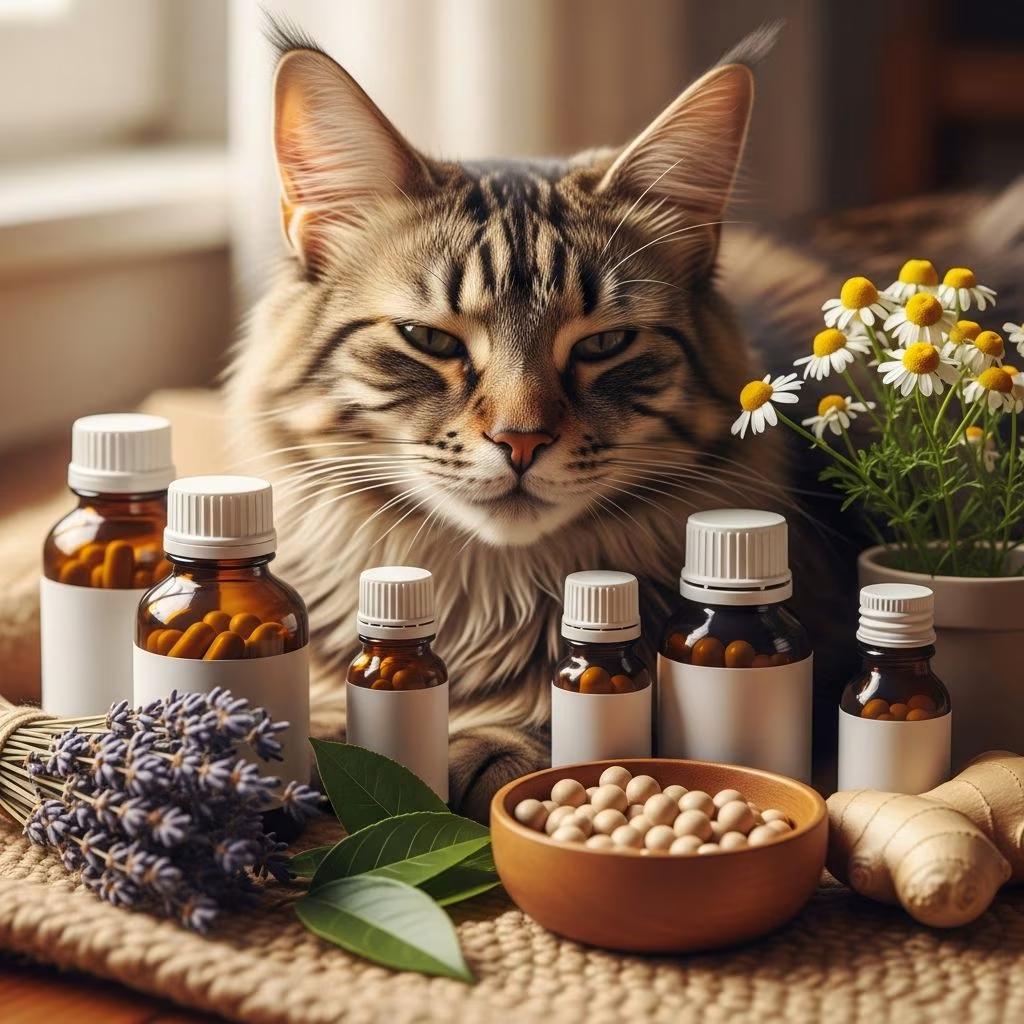
Understanding Cat Allergies and Natural Relief Options
Cat allergies can significantly impact your feline companion’s quality of life, manifesting through various uncomfortable symptoms including itching, skin irritation, respiratory distress, and digestive upset. While conventional treatments prescribed by veterinarians remain essential for managing severe allergic reactions, many cat owners seek complementary approaches to support their pets’ wellbeing. Supplements and natural remedies can work alongside traditional medical management to help soothe allergy symptoms and promote overall health in cats experiencing allergic responses. Understanding the range of available options empowers pet owners to make informed decisions about their cats’ care.
Common Allergy Symptoms in Cats
Before exploring supplemental solutions, recognizing the signs of allergies in cats is crucial for early intervention. Cats experiencing allergies typically display several telltale symptoms that indicate discomfort and immune system activation.
Skin and coat symptoms represent among the most visible indicators of feline allergies. These include excessive scratching, licking, or biting at the skin; hair loss or thinning hair; poor coat condition; hives; and general skin inflammation or redness. Some cats may also develop facial swelling, particularly around the lips, nose, and eyes, which requires prompt veterinary evaluation.
Respiratory symptoms can develop when cats encounter airborne allergens. These manifestations include coughing, wheezing, and difficulty breathing, which demand immediate medical attention if severe. Cats with asthma-like reactions to allergens may exhibit labored breathing or open-mouth breathing, necessitating emergency veterinary care.
Gastrointestinal symptoms frequently accompany allergic responses in cats, reflecting the connection between immune function and digestive health. Affected cats may experience vomiting, diarrhea, changes in appetite, or general digestive distress. These symptoms can lead to nutritional deficiencies and weight loss if not properly managed.
The Role of Probiotics in Managing Cat Allergies
Probiotics have emerged as one of the most researched and recommended supplements for supporting cats with allergies. These beneficial bacteria colonize the digestive tract and play a fundamental role in immune system regulation, barrier function, and inflammatory response modulation.
How probiotics support immune health involves several interconnected mechanisms. The gastrointestinal tract hosts approximately 70% of the immune system, making gut health directly influential on allergic responses. Quality probiotics help restore the balance of beneficial microorganisms, which strengthens the intestinal barrier and reduces pathogenic bacteria that may trigger or exacerbate allergic reactions. By promoting beneficial bacteria colonies, probiotics enhance the production of short-chain fatty acids that nourish intestinal cells and support immune tolerance.
Selecting appropriate probiotic formulations requires attention to several factors. Feline-specific probiotics containing strains such as Enterococcus faecium, Lactobacillus acidophilus, and Bifidobacterium are often recommended for cats. Multi-strain formulas typically provide broader benefits than single-strain products. Additionally, ensuring that probiotic supplements contain adequate colony-forming units (CFUs) and remain stable until consumption proves essential for effectiveness. Veterinary-recommended brands often undergo quality testing to verify viability and potency.
Omega Fatty Acids for Skin and Coat Health
Omega-3 and omega-6 fatty acids represent essential nutrients that profoundly influence skin barrier function, inflammatory processes, and immune regulation in cats. These polyunsaturated fats cannot be synthesized by feline bodies and must be obtained through diet or supplementation.
Benefits of omega-3 fatty acids include powerful anti-inflammatory properties that help reduce skin inflammation associated with allergies. Fish oil supplements containing eicosapentaenoic acid (EPA) and docosahexaenoic acid (DHA) help modulate immune responses and decrease the production of inflammatory mediators responsible for itching and skin irritation. Studies demonstrate that adequate omega-3 intake supports skin barrier integrity, reducing transepidermal water loss and improving overall coat quality.
Optimal omega-3 to omega-6 ratios matter significantly for allergic cats. While omega-6 fatty acids remain necessary for skin health, excessive omega-6 relative to omega-3 can amplify inflammatory responses. A balanced ratio of approximately 1:5 to 1:10 (omega-3 to omega-6) generally supports anti-inflammatory effects. Fish oil supplements help rebalance these ratios in cats consuming commercial diets that may contain disproportionate omega-6 levels.
Dosage and administration considerations vary based on the specific supplement formulation and your cat’s weight. Fish oil supplements designed for cats typically come in liquid or capsule forms. Liquid formulations can be mixed into food, while some cats tolerate capsules mixed with wet food. Starting with lower doses and gradually increasing helps minimize gastrointestinal upset and allows monitoring of individual tolerance.
Quercetin: Nature’s Antihistamine
Quercetin, a naturally occurring bioflavonoid found in various plants and foods, functions as a powerful natural antihistamine that may help reduce allergic responses without the side effects associated with pharmaceutical antihistamines.
Mechanisms of action involve quercetin’s ability to stabilize mast cells, which are immune cells responsible for releasing histamine during allergic reactions. By preventing histamine release, quercetin reduces itching, inflammation, and other allergic symptoms. Additionally, quercetin possesses antioxidant and anti-inflammatory properties that support overall immune system balance and reduce excessive immune reactivity to harmless allergens.
Natural food sources of quercetin include apples, berries, and certain vegetables, though bioavailable concentrations may be insufficient for therapeutic effect. Supplemental quercetin formulations specifically designed for pets provide more reliable dosing. Some veterinarians recommend using quercetin in combination with other supplements for synergistic anti-allergenic effects.
Safety profile and effectiveness of quercetin in cats appears favorable, with few reported adverse effects at appropriate dosages. However, individual responses vary, and some cats may show more noticeable improvements than others. Working with your veterinarian to monitor effectiveness and adjust supplementation accordingly ensures optimal outcomes.
Colostrum and Immunoglobulin Support
Bovine colostrum, the nutrient-rich first milk produced by cows after calving, contains concentrated immunoglobulins and antimicrobial compounds that may support immune system maturation and allergic response modulation in cats.
Immunoglobulin components in colostrum include IgG, IgA, and IgM antibodies that help educate and regulate immune responses. These compounds can help distinguish between harmful pathogens and benign allergens, theoretically reducing inappropriate immune activation against harmless substances. Lactoferrin and other antimicrobial proteins in colostrum also support a healthy microbiome by promoting beneficial bacteria while inhibiting pathogenic organisms.
Application in allergy management involves using colostrum supplements to strengthen immune tolerance and reduce allergic sensitization. Some holistically-minded veterinarians recommend colostrum as part of comprehensive allergy protocols, though more extensive clinical research specifically in cats remains limited compared to other supplements on this list.
Digestive Enzymes and Enhanced Nutrient Absorption
Digestive enzyme supplements support optimal breakdown and absorption of nutrients, which proves particularly important for allergic cats that may experience compromised digestive function or nutrient malabsorption.
Role of enzymes in allergy management relates to improved digestion of protein allergens and enhanced nutrient absorption. When food is incompletely digested, larger protein molecules may trigger immune responses. Quality digestive enzyme supplements containing proteases, lipases, and amylases promote complete protein breakdown into amino acids, reducing the likelihood of immune activation. Additionally, enhanced nutrient absorption supports skin barrier function and immune system optimization.
Enzyme formulations for cats should be specifically formulated for feline physiology, as cats have unique digestive requirements compared to other species. Supplements should be added to food just before feeding to maintain enzyme activity, and dosing should follow veterinary or manufacturer recommendations based on your cat’s individual needs.
L-Theanine and Stress Reduction
L-theanine, an amino acid naturally occurring in green tea, promotes relaxation and stress reduction through its effects on neurotransmitter balance. Since stress can exacerbate allergic responses through immune system dysregulation, L-theanine supplementation may provide indirect benefits for allergic cats.
Stress-immune system connection involves cortisol elevation during stress periods, which can suppress immune tolerance and amplify allergic inflammation. By promoting calm and reducing stress-related cortisol elevation, L-theanine helps maintain more balanced immune responses. This proves particularly beneficial for anxious cats or those experiencing stress-induced allergy flare-ups.
Dosing and supplementation typically involves small doses formulated for cats, as L-theanine is generally well-tolerated. Some supplements combine L-theanine with other calming herbs like chamomile or valerian for enhanced relaxation effects.
Dietary Management and Hypoallergenic Nutrition
Supplementation works most effectively when combined with appropriate dietary management. Identifying and eliminating problematic food allergens represents a critical component of comprehensive allergy management.
Common feline food allergens include chicken, beef, dairy, fish, and grains, though individual sensitivities vary considerably. Working with your veterinarian to conduct an elimination diet helps identify specific triggers. Limited ingredient diets or hydrolyzed protein diets may be recommended during diagnostic phases or for long-term management of food-allergic cats.
Supplementation synergy with diet means that supplements achieve optimal effectiveness when the diet is also optimized. High-quality, species-appropriate nutrition provides the nutritional foundation upon which supplemental therapies build. Ensuring adequate protein, essential fatty acids, vitamins, and minerals supports all physiological systems involved in allergic response regulation.
Important Considerations and Veterinary Guidance
While natural supplements offer valuable support for allergic cats, several important considerations ensure safe and effective use. Always consult your veterinarian before introducing new supplements, as some may interact with medications or prove inappropriate for individual cats. Cats with severe respiratory symptoms, difficulty breathing, or signs of anaphylaxis require immediate emergency veterinary care regardless of supplementation status. Quality matters significantly when selecting supplements—choose products from reputable manufacturers that undergo quality testing and verification. Monitor your cat’s response to supplementation closely, noting any changes in symptoms, appetite, energy levels, or digestive function. Be patient, as supplements often require several weeks of consistent use before noticeable improvements emerge. Document baseline symptoms before beginning supplementation to accurately assess effectiveness.
Creating a Comprehensive Allergy Management Plan
Optimal allergy management typically involves a multifaceted approach combining environmental control, dietary optimization, medical treatments when necessary, and strategic supplementation. Environmental measures such as regular vacuuming with HEPA filters, frequent cat grooming, and maintaining clean bedding reduce allergen exposure and support overall immune system health. Supplements should be viewed as complementary tools that enhance overall health rather than replacements for veterinary diagnosis and treatment of serious allergic conditions.
Frequently Asked Questions About Cat Allergy Supplements
Q: How long does it take for supplements to show effectiveness in managing cat allergies?
A: Most supplements require consistent use for 4-8 weeks before noticeable improvements appear, though individual responses vary. Some cats show improvement within 2-3 weeks, while others require longer periods. Maintaining detailed symptom records helps track progress objectively.
Q: Can supplements replace medications prescribed by my veterinarian?
A: Supplements work best as complementary therapies alongside, not in place of, veterinary-prescribed medications. For severe allergies causing significant discomfort or breathing difficulties, prescribed medications remain essential. Discuss any changes to your cat’s medical regimen with your veterinarian.
Q: Are there any supplements that can help both food and environmental allergies?
A: Yes, probiotics, omega fatty acids, quercetin, and digestive enzymes address underlying immune dysregulation and may benefit cats with both food and environmental allergies by supporting overall immune tolerance and barrier function.
Q: How do I determine which supplements are safest for my cat?
A: Consult your veterinarian before starting supplements, as they can evaluate your cat’s specific health status and recommend appropriate options. Look for products from reputable manufacturers that conduct quality testing and clearly list all ingredients and dosing information.
Q: Can I give my cat multiple supplements simultaneously?
A: Many supplements can be combined safely, though your veterinarian should review all planned supplements to identify any potential interactions or redundancy. Starting with one supplement at a time helps identify which products benefit your cat most effectively.
References
- Pet Allergies: Causes, Symptoms, Treatment & Prevention — Cleveland Clinic. 2024. https://my.clevelandclinic.org/health/diseases/17702-pet-allergies
- Cat Allergies: Types and Symptoms — PetMD. 2024. https://www.petmd.com/cat/conditions/systemic/allergies-cats
- Pet Allergy – Diagnosis & Treatment — Mayo Clinic. 2023. https://www.mayoclinic.org/diseases-conditions/pet-allergy/diagnosis-treatment/drc-20352198
- Allergic to Your Cat? Easy Tips to Prevent and Control Your Allergy — Ohio State University College of Veterinary Medicine. 2023. https://vet.osu.edu
- Cat Allergies: Symptoms & How to Treat — Benadryl UK. 2024. https://www.benadryl.co.uk/allergy-types/pet-allergies/cat-allergies
- Allergies to Cats: Symptoms, Treatment and Causes — Zyrtec. 2024. https://www.zyrtec.com/allergy-guide/indoors/allergy-symptoms-caused-by-cats



