

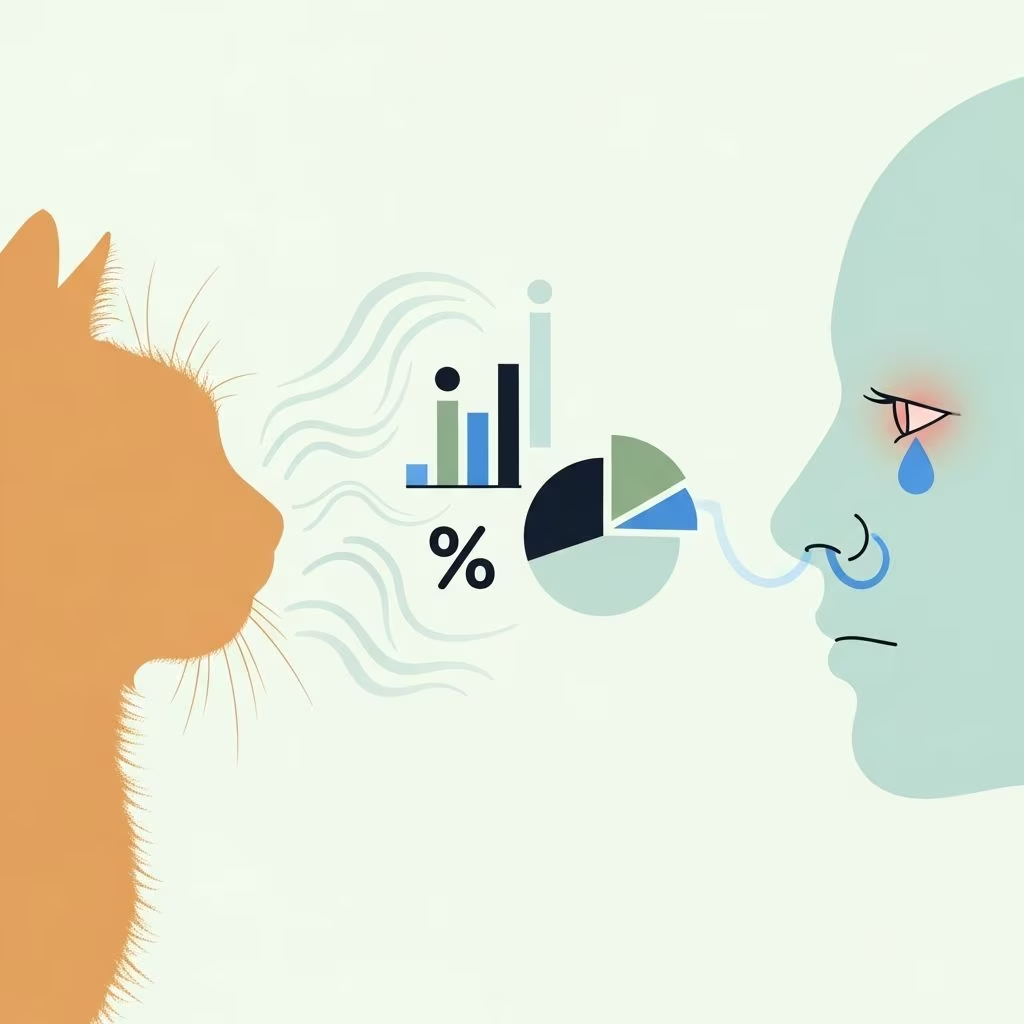
Cat allergies represent a significant health challenge for millions globally, particularly among pet enthusiasts. These reactions stem primarily from the protein Fel d 1 found in cat saliva, skin, and urine, triggering symptoms like sneezing, itchy eyes, and respiratory issues in sensitive individuals. With cat ownership on the rise, understanding the scope of this issue through data is crucial for owners, healthcare providers, and policymakers.
The Scope of Cat Allergies Worldwide
Cat allergies affect a substantial portion of the population, especially those already prone to allergic conditions. In the United States, approximately 15% of individuals experience cat allergies annually, according to data from the American Academy of Allergy, Asthma, and Immunology.Up to 25% of people with allergies react to cats, a rate higher than for dog dander due to the potency of cat allergens and less frequent bathing of cats.
Globally, skin prick tests reveal 17% of Americans and 8% of European Union citizens test positive for cat allergies. This prevalence is climbing with increased pet ownership; in North America, heightened awareness and rising disposable incomes amplify diagnosis rates. Children in allergy-prone families face elevated risks, as genetic factors heighten susceptibility to respiratory conditions like asthma exacerbated by cat exposure.
| Region | Prevalence Rate | Key Driver |
|---|---|---|
| United States | 15-25% of allergy sufferers | High pet ownership |
| European Union | 8% | Skin prick test data |
| North America Overall | Leading revenue share | Awareness and vets |
Effects on Cat Owners and Households
Around 23% of U.S. cat owners report that they or a household member suffer from cat allergen sensitivities, underscoring the tension between pet love and health needs. This figure highlights why managing allergens extends beyond individuals to family dynamics.
- 31% of affected owners note their partner or spouse experiences symptoms.
- 16% report children as the primary sufferers.
These sensitivities disrupt daily life: 37% of owners with allergies frequently alter lifestyles, compared to 22% without. A striking 26% describe cat allergens as causing “huge problems,” versus 8% in unaffected homes. Cleaning demands intensify, with 41% citing it as a major limitation, and affected owners spend 26% more monthly on cats.
Pet Relinquishment Due to Allergies
Allergies drive heartbreaking decisions. An estimated 18% of the U.S. population, or 37.7 million people, have relinquished a cat. Allergies account for 32% of these cases, equating to roughly 12 million people forced to rehome due to health issues.
Despite this, loyalty prevails: 33% of sensitive owners would retain their cat and seek alternatives, 31% continue current management, and 20% would switch doctors for better solutions. Emotional bonds are strong—36% of affected owners dislike those who disdain their cats, slightly higher than non-affected peers.
Market Dynamics and Economic Insights
The cat allergy market reflects growing demand. Valued at USD 6,238.9 million in 2024, it is projected to hit USD 17,320 million by 2035, with a robust CAGR of 9.75%. Another analysis forecasts a 4.5% CAGR over five years, driven by rising prevalence, OTC treatments, and prevention awareness.
Segments include residential and commercial applications, with products like OTC medications, prescription drugs, air purifiers, carpet cleaners, and hypoallergenic pet items. North America leads due to pet popularity, tech advances in diagnostics, and key players like Bayer AG and Sanofi.
| Market Segment | 2024 Value (USD Mn) | 2035 Projection (USD Mn) | CAGR |
|---|---|---|---|
| Global Cat Allergy | 6,238.9 | 17,320 | 9.75% |
| Pet Allergy Treatment | 2.47B (2026 est.) | 3.28B (2031) | 5.89% |
Common Symptoms and Risk Factors
Symptoms range from mild to severe: watering eyes, sneezing, chapped lips, wheezing, chest tightness, nasal congestion, and itching. Those with asthma, COPD, or cystic fibrosis are most vulnerable, per the National Institutes of Health. Allergens persist in homes via dander, even without direct contact.
Cats’ salivary proteins spread through grooming and shedding, making exposure unavoidable in ownership scenarios. Unlike dogs, cats’ allergens cling more stubbornly to fabrics and air.
Management Challenges and Strategies
No cure exists, posing key hurdles alongside high treatment costs and medication side effects. Yet, innovations emerge: new therapies, telemedicine consultations, and hypoallergenic products.
- Environmental controls: Frequent cleaning, air purifiers, and HEPA filters reduce dander.
- Medications: Antihistamines, nasal corticosteroids, and immunotherapy build tolerance.
- Pet care: Hypoallergenic breeds or washes like Allerpet minimize Fel d 1.
Owners with sensitivities perform more maintenance, yet 40% view physical symptoms as a major barrier. 22% note increased home stress or conflict from allergens.
Regional Variations and Future Projections
North America dominates revenue, fueled by 15% annual allergy rates and veterinary growth. Asia-Pacific and Europe follow, with figures showing revenue breakdowns by application and type through 2032. Forecasts to 2033 predict steady expansion amid pet booms.
Challenges persist: 30% of owners see costs as limiting. Emerging trends like advanced diagnostics promise better outcomes.
Frequently Asked Questions (FAQs)
How common are cat allergies?
They affect up to 25% of allergy sufferers, with 15% of Americans impacted yearly.
Can cat allergies cause pet relinquishment?
Yes, allergies cause 32% of U.S. cat relinquishments, affecting 12 million people.
What is the cat allergy market growth rate?
Projected at 9.75% CAGR to 2035, reaching USD 17.3 billion.
Are there hypoallergenic cats?
No true hypoallergenic breeds exist, but low-shedding types and washes help manage allergens.
How do cat allergens spread?
Via Fel d 1 in saliva, urine, and dander, sticking to surfaces and airborne particles.
Key Takeaways for Cat Lovers
Cat allergies blend health risks with emotional attachments. Data shows 23% of owners manage sensitivities, often at extra cost and effort. Advances in treatments offer hope, but prevention through awareness remains vital. Millions coexist with pets via smart strategies, proving bonds can endure allergic hurdles.
References
- Cat Allergy in Humans Market’s Decade-Long Growth Trends — Data Insights Market. 2024. https://www.datainsightsmarket.com/reports/cat-allergy-in-humans-578248
- Understanding the Impact of Cat Allergens on the Human-Animal Bond — HABRI. 2023. https://habri.org/cat-allergens-research/
- Cat Allergy in Humans Market Valuation and Future Projections — Vantage Market Research. 2024. https://www.vantagemarketresearch.com/industry-report/cat-allergy-in-humans-market-1717
- Cat Allergy Facts — Ohio Valley ENT. 2024. https://www.ohiovalleyent.com/allergy/cat-allergy-facts/
- Pet Allergy Treatment Market Size, Growth Trends & Forecast — Mordor Intelligence. 2024. https://www.mordorintelligence.com/industry-reports/pet-allergy-treatment-market
- Pet Allergens — National Institute of Environmental Health Sciences (.gov). 2024. https://www.niehs.nih.gov/health/topics/agents/allergens/pets



