

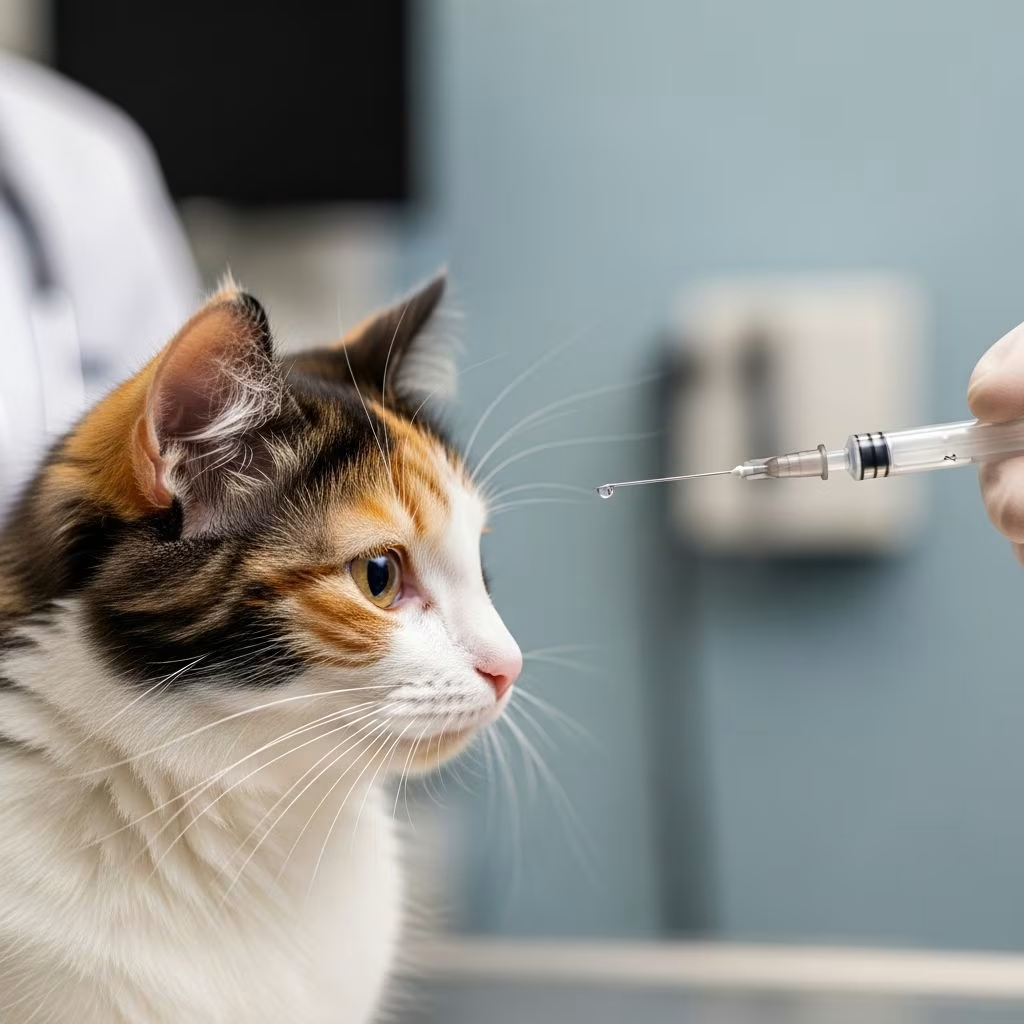
Cat allergy shots, known medically as allergen immunotherapy, offer a targeted approach to desensitizing the immune system against feline proteins found in dander, saliva, and urine. These injections gradually build tolerance, potentially reducing symptoms like sneezing, itchy eyes, and respiratory issues for many patients.
Understanding Cat Allergies and Immunotherapy Basics
Cat allergies stem from an overactive immune response to Fel d 1, the primary allergen in cat dander and saliva, which can linger in environments long after a cat is present. Traditional management includes avoidance, antihistamines, or nasal corticosteroids, but for persistent cases, immunotherapy provides a disease-modifying option by retraining the immune system.
The process involves subcutaneous injections of purified cat allergen extracts. Over time, this exposure shifts the immune response from producing IgE antibodies (which trigger allergies) to IgG antibodies that block allergens, leading to symptom relief. Studies indicate that about 80% of recipients experience significant improvement, with 60% enjoying lasting benefits post-treatment.
The Two-Phase Structure of Allergy Shot Therapy
Allergy shots follow a structured timeline divided into build-up and maintenance phases to safely escalate allergen exposure.
- Build-up Phase: Lasting 3-6 months, patients receive 1-2 shots weekly with incrementally higher doses. This rapid escalation aims to reach a therapeutic threshold quickly while monitoring for reactions.
- Maintenance Phase: Once optimal dosing is achieved, shots shift to monthly intervals for 3-5 years. This sustains desensitization and maximizes long-term tolerance.
Effectiveness peaks during maintenance, with up to 90% symptom reduction in well-managed cases, alongside potential prevention of new allergies or asthma progression.
Common Side Effects of Cat Allergy Shots
While generally safe, cat allergy shots can provoke localized and systemic reactions due to the immune system’s interaction with injected allergens. Most are mild and transient, but awareness is crucial for safe administration.
| Severity | Side Effect | Description | Frequency |
|---|---|---|---|
| Mild Local | Redness/Swelling | Injection site itchiness, warmth, or hives appearing within 30 minutes | Common (up to 80% of shots) |
| Mild Local | Pain | Tenderness at site resolving in hours | Very Common |
| Moderate Systemic | Sneezing/Runny Nose | Upper respiratory symptoms mimicking natural exposure | Occasional |
| Severe Systemic | Anaphylaxis | Rare widespread reaction with breathing difficulty, drop in blood pressure | <1% with proper protocols |
Local reactions occur frequently but rarely halt therapy; premedication with antihistamines can mitigate them. Systemic effects, though less common, necessitate immediate medical attention and dose adjustments.
Managing and Minimizing Risks During Treatment
Healthcare providers mitigate risks through allergy testing (skin prick or blood IgE levels) to confirm cat sensitivity and tailor extracts. Shots must be administered in a facility equipped for emergencies, with a 30-minute post-injection observation period.
Patient education is key: avoid beta-blockers, report recent illnesses, and track symptoms in a journal. Dose reductions or pauses occur if reactions exceed mild thresholds. Long-term, combining shots with environmental controls—like HEPA filters and frequent pet bathing—enhances outcomes.
Effectiveness Data and Realistic Expectations
Clinical evidence supports immunotherapy’s value. Traditional shots yield peak nasal symptom relief during active treatment, but benefits often wane post-cessation. In a NIH-funded trial, standard shots matched placebo efficacy one year after ending, underscoring the need for prolonged commitment.
- 75-80% of patients report moderate to marked improvement after 1 year.
- Benefits persist in 60% beyond 3-5 years, reducing medication reliance.
- Not ideal for all: ineffective in 20-25%, particularly severe or multi-allergic cases.
Emerging Innovations: Boosting Immunotherapy Success
Recent advancements address traditional shots’ limitations. The CATNIP study combined cat shots with tezepelumab, a monoclonal antibody inhibiting TSLP—a key allergy pathway mediator. This duo significantly lowered nasal symptoms versus shots alone, with relief persisting a year post-treatment.
Published in the Journal of Allergy and Clinical Immunology, the trial involved 121 adults and highlighted potential for shorter, more potent regimens. NIH’s NIAID backs further exploration into food allergies, signaling broader applications. Other innovations like ILIT (intralymphatic immunotherapy) condense treatment to months via targeted lymph node injections.
Who Benefits Most from Cat Allergy Shots?
Candidates include those with confirmed cat allergy via testing, uncontrolled symptoms despite medications, and commitment to the timeline. It’s contraindicated in uncontrolled asthma, certain heart conditions, or pregnancy (defer until postpartum).
Pet owners unable to rehome cats find shots transformative, improving quality of life and productivity. Dr. Anthony S. Fauci noted such regimens could alleviate chronic burdens.
Alternatives When Shots Aren’t Suitable
Not everyone tolerates injections. Sublingual immunotherapy (SLIT) tablets or drops offer at-home options, though FDA-approved cat SLIT remains limited. Pharmacotherapy, allergen-reducing sprays, or novel Fel d 1 vaccines for cats (e.g., HypoCat) provide adjuncts.
Frequently Asked Questions (FAQs)
Are cat allergy shots painful?
Most describe a brief sting like a vaccine; ice packs and numbing creams help.
How soon do cat allergy shots work?
Initial relief in 3-6 months, full effects after 12 months.
Can shots cure cat allergies?
No cure, but they induce long-term tolerance in many.
What if I react badly to a shot?
Epinephrine reverses severe reactions; doses are adjusted thereafter.
Do shots work for other pet allergies?
Yes, effective for dogs, dust mites, pollen too.
Long-Term Outlook and Lifestyle Integration
Completing immunotherapy often means fewer doctor visits and medications, with sustained tolerance allowing pet coexistence. Pairing with hypoallergenic breeds or dedicated pet rooms optimizes results. Ongoing research promises even more accessible therapies.
Consult an allergist for personalized assessment—cat allergy shots remain a cornerstone for enduring relief.
References
- Experimental cat allergy shots provide longer-lasting relief — NIH Research Matters. 2022-11-01. https://www.nih.gov/news-events/nih-research-matters/experimental-cat-allergy-shots-provide-longer-lasting-relief
- Sneezing less with CATNIP — NIH MedlinePlus Magazine. N/A. https://magazine.medlineplus.gov/article/sneezing-less-with-catnip
- Allergy Shots | Allergy Immunotherapy — UCHealth. N/A. https://www.uchealth.org/treatments-procedures__trashed/allergy-shots-allergy-immunotherapy/
- Can Allergy Shots Treat My Pet Allergy? — TexasAllergyMD. N/A. https://texasallergymd.com/blog/can-allergy-shots-treat-pet-allergy/
- Allergy Shots: Effectiveness, Side Effects & What To Expect — Cleveland Clinic. N/A. https://my.clevelandclinic.org/health/treatments/25194-allergy-shots
- Allergy Immunotherapy: Hyposensitization (General Information) — Veterinary Skin & Ear. N/A. https://veterinaryskinandear.com/allergy-immunotherapy-hyposensitization-general-information/
- Pet allergy – Diagnosis & treatment — Mayo Clinic. N/A. https://www.mayoclinic.org/diseases-conditions/pet-allergy/diagnosis-treatment/drc-20352198



