

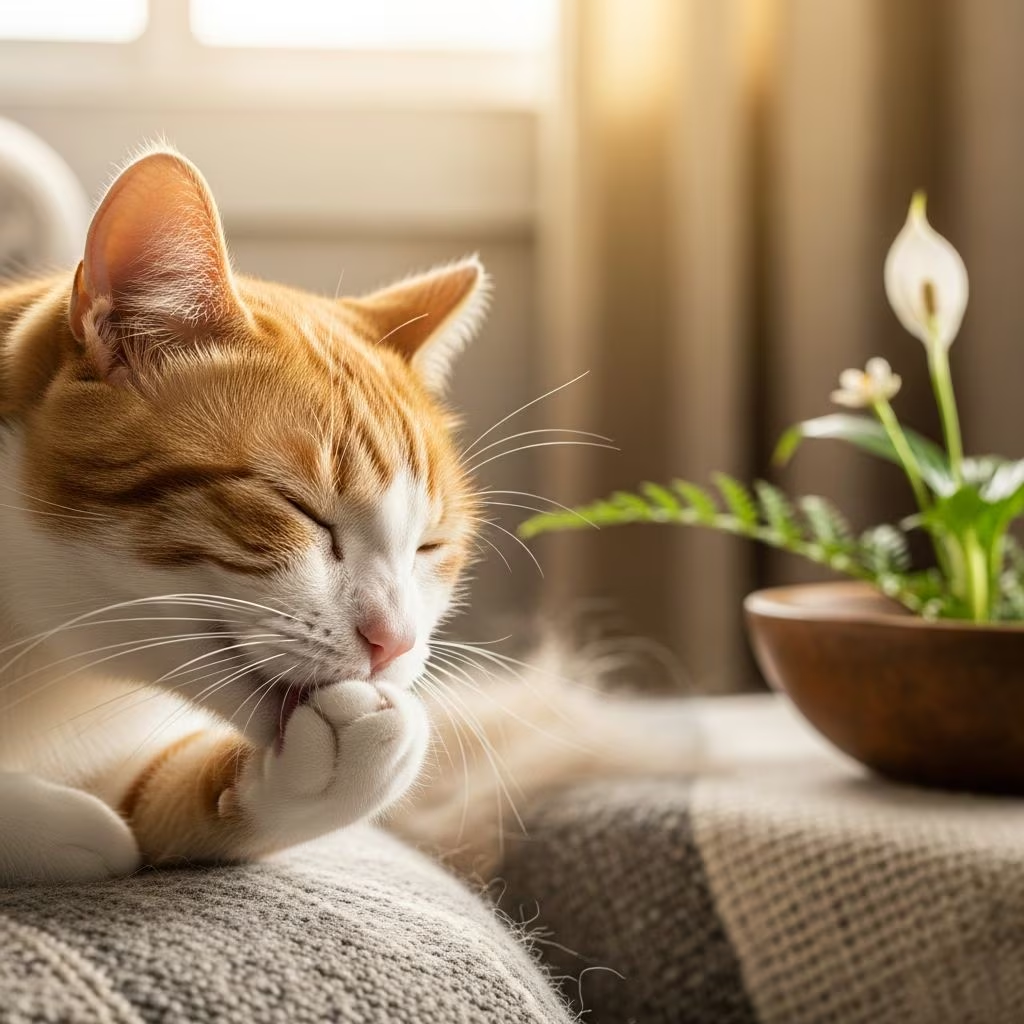
Cat allergies are a common health issue affecting many felines, leading to discomfort from itching, skin problems, and other symptoms. These hypersensitive reactions occur when a cat’s immune system overreacts to harmless substances like flea saliva, food proteins, or environmental allergens such as pollen and dust. Unlike human allergies to cats, which stem from Fel d 1 protein in cat saliva and dander, cat allergies involve the pet’s own reactions to its environment or diet. Early identification and proper management are crucial to prevent secondary infections and improve quality of life. This guide covers types, symptoms, diagnosis, treatments, and prevention strategies based on veterinary expertise.
Types of Cat Allergies
Cats can develop several types of allergies, each with distinct triggers and manifestations. Understanding these helps in targeted treatment.
Flea Allergy Dermatitis (FAD)
**The most common allergy in cats** is flea allergy dermatitis, triggered by proteins in flea saliva. Even a single flea bite can provoke intense itching, especially in sensitive cats. Symptoms often appear on the back, base of the tail, and hindquarters, leading to excessive grooming, hair loss, and scabs. Indoor cats are not immune, as fleas thrive in warm environments.
Food Allergies
Food allergies affect about 10-15% of allergic cats, typically to proteins like beef, chicken, dairy, or fish found in commercial foods. Unlike intolerances, true allergies involve the immune system and can cause year-round symptoms including skin issues and gastrointestinal upset. Novel protein diets or hydrolyzed formulas are used for diagnosis and management.
Atopic Dermatitis (Environmental Allergies)
Atopy results from airborne allergens like pollen, mold, dust mites, and grasses. Cats with atopy experience seasonal or perennial itching, often on the face, ears, and paws. Indoor allergens such as cigarette smoke, perfumes, and dusty litter exacerbate it. Genetic predisposition plays a role, making some breeds more susceptible.
Contact Allergies
Rare in cats, these occur from direct skin contact with irritants like certain plastics, wool, or cleaning products. Symptoms are localized redness and itching where contact happens.
Other Allergies: Insect Bites and Drugs
Reactions to mosquito or spider bites mimic flea allergies. Drug allergies, though uncommon, can cause anaphylaxis from vaccines or antibiotics.
Symptoms of Allergies in Cats
Allergic cats exhibit a range of signs, primarily dermatological but sometimes respiratory or digestive. Watch for:
- Intense **itching** (pruritus), leading to scratching, licking, and chewing
- **Hair loss** (alopecia), often symmetrical patterns from over-grooming
- Red, inflamed skin with **scabs, papules, or eosinophilic plaques**
- Swollen, red paws or **miliary dermatitis** (small crusty bumps)
- Ear infections with head shaking and discharge
- Gastrointestinal issues like vomiting or diarrhea (especially food allergies)
- Respiratory signs: sneezing, wheezing, or asthma-like coughing in severe atopy
Symptoms worsen seasonally for environmental allergies or persist year-round for flea/food issues. Secondary bacterial or yeast infections are common due to skin barrier breakdown.
Causes and Risk Factors
Allergies stem from an **overactive immune response**, producing IgE antibodies against allergens. Flea saliva proteases trigger mast cell degranulation, releasing histamine. Food allergies involve repeated exposure to novel proteins. Atopy has genetic links, with purebreds like Siamese more prone. Poor flea control, low-quality diets, and stressful environments heighten risk. Unlike myths, cat hair length doesn’t cause allergies—it’s saliva proteins.
Diagnosis of Cat Allergies
Diagnosis starts with a thorough history and physical exam. Vets rule out parasites via flea combing and skin scrapings.
- Flea allergy: Response to flea prevention confirms it.
- Food trial: 8-12 week hypoallergenic diet elimination, then challenge.
- Intradermal testing or blood IgE tests: Identify environmental allergens, though less accurate in cats.
- Skin biopsy: For unclear cases, reveals allergic patterns.
No single test is perfect; combination approaches yield best results.
Treatment Options for Cat Allergies
Treatment combines allergen avoidance, symptom relief, and long-term management. Always consult a vet.
1. Flea Control
Strict year-round flea prevention with topical/oral products like fipronil or selamectin is foundational. Treat the environment too.
2. Medications
- Corticosteroids (prednisolone): Rapid itch relief, oral/injected for flares. Short-term use due to side effects.
- Antihistamines: Benadryl, Zyrtec—limited efficacy in cats.
- Cyclosporine (Atopica): Immunosuppressant for atopy, effective in 60-70% after 4 weeks.
- Oclacitinib (Apoquel): Janus kinase inhibitor for pruritus, used off-label.
- Antibiotics/antifungals for infections; anti-nausea for GI issues.
3. Topical Therapies
Medicated shampoos, sprays, ear cleaners soothe skin. Omega-3 fatty acids support barrier function long-term.
4. Immunotherapy (Allergy Shots/Drops)
For atopy, custom vaccines desensitize over 6-12 months. 50-80% cats improve, reducing med needs.
5. Food Allergy Management
Hypoallergenic or prescription diets lifelong.
| Treatment Type | Best For | Onset | Notes |
|---|---|---|---|
| Corticosteroids | Flares | Days | Monitor diabetes risk |
| Cyclosporine | Chronic atopy | 2-4 weeks | Oral, well-tolerated |
| Immunotherapy | Environmental | 3-12 months | Long-term solution |
| Flea Preventives | FAD | Immediate | Monthly dosing |
Prevention and Home Management
Prevent flares by:
- Maintaining flea control and vacuuming regularly.
- Using air purifiers, hypoallergenic litter, and avoiding scented products.
- Regular grooming/bathing reduces allergens.
- Balanced diet with fatty acids.
- Stress reduction via enrichment.
Monitor for early signs; annual vet checks for atopics.
When to See a Vet
Seek immediate care for non-stop scratching, open wounds, lethargy, or breathing issues. Early intervention prevents complications.
Frequently Asked Questions (FAQs)
What is the most common cat allergy?
Flea allergy dermatitis tops the list, even in indoor cats.
Can food allergies cause skin problems in cats?
Yes, chronic itching and GI signs signal food allergies.
Are allergy shots effective for cats?
They help 50-80% by desensitizing, best for atopy.
Can I give my cat Benadryl for allergies?
Only vet-dosed; human OTCs need supervision.
Is there a cure for cat allergies?
No cure, but management controls symptoms effectively.
References
- Allergies in Cats — VCA Animal Hospitals. 2023. https://vcahospitals.com/know-your-pet/allergies-in-cats
- What Can I Give My Cat for Allergies? — Montecito Pet Hospital. 2022-04-30. https://www.montecitopethospital.com/site/blog/2022/04/30/cat-allergies
- Cat Allergies: Types and Symptoms — PetMD. 2024. https://www.petmd.com/cat/conditions/systemic/allergies-cats
- Allergies of Cats — Merck Veterinary Manual. 2025. https://www.merckvetmanual.com/cat-owners/skin-disorders-of-cats/allergies-of-cats
- Allergies To Cats: Symptoms, Treatment and Causes — ZYRTEC. 2024. https://www.zyrtec.com/allergy-guide/indoors/allergy-symptoms-caused-by-cats



