

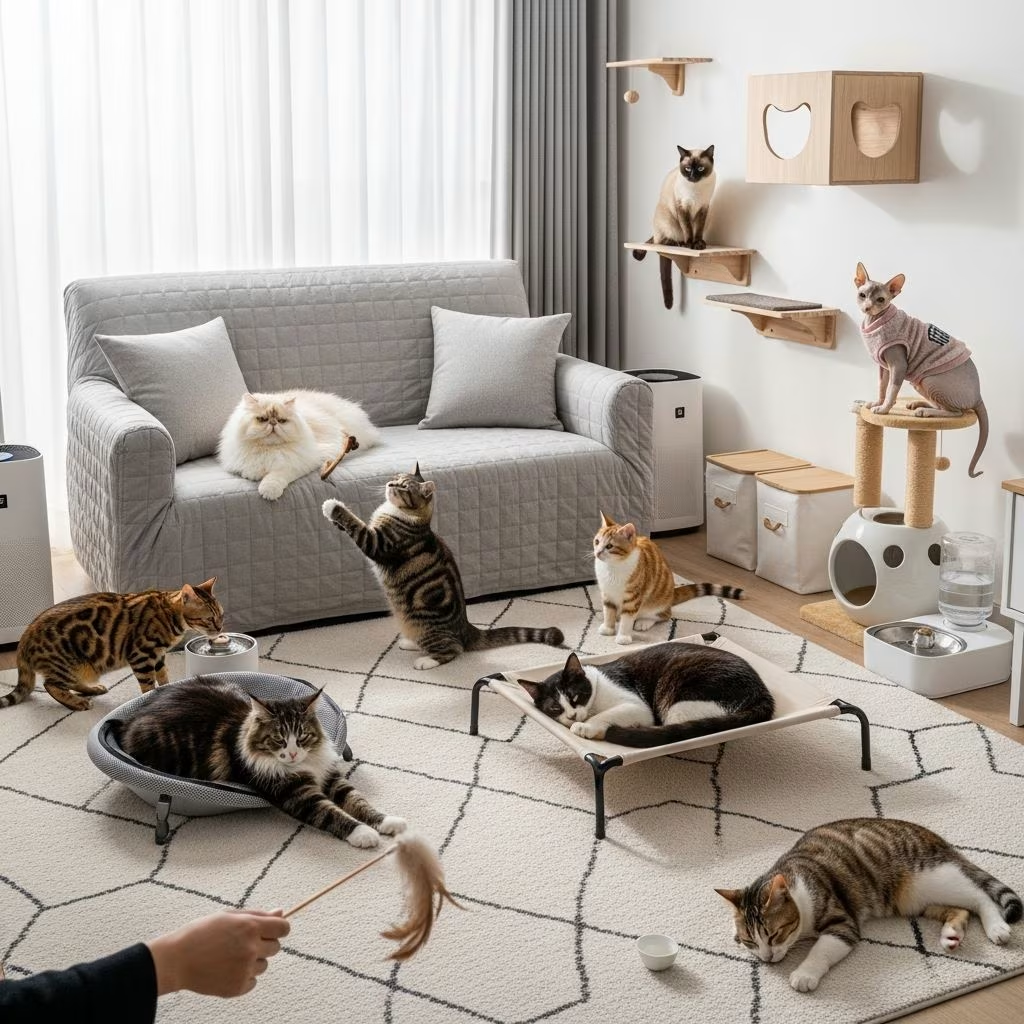
Living with Cat Allergies: How to Manage Multiple Feline Companions
For many cat lovers, allergies present a significant challenge that could potentially force them to choose between their beloved pets and their health. However, having cat allergies doesn’t necessarily mean you must surrender your feline friends. Thousands of allergy sufferers successfully cohabitate with cats by implementing strategic management techniques, maintaining disciplined cleaning routines, and utilizing modern medical solutions. This comprehensive guide explores practical strategies for thriving in a multi-cat household while managing allergies effectively.
Understanding Cat Allergies: The Root Cause
Cat allergies are caused by proteins found in cat saliva, urine, and skin cells (dander). These allergens are microscopic particles that become airborne and settle on household surfaces, furniture, and in carpeting. One of the most common cat allergens is Fel d 1, a protein produced by cats that can linger in homes for extended periods. Understanding that all cats produce allergens is crucial—no cat breed is completely hypoallergenic, regardless of fur length or shedding patterns.
The allergen levels in homes with multiple cats are significantly higher than in single-cat households, making allergy management more challenging but not impossible with proper strategies.
Creating Allergen-Free Zones in Your Home
One of the most effective strategies for managing cat allergies is establishing designated cat-free areas in your living space. These zones provide critical relief and help reduce your overall allergen exposure.
Your Bedroom Sanctuary
Your bedroom should be your primary allergen-free zone. Since you spend approximately one-third of your day in this space, keeping cats out significantly impacts your allergy symptoms and sleep quality. Make this boundary firm and consistent—don’t allow exceptions, as even brief cat visits will deposit allergens that persist for hours.
Once cats are permanently removed from your bedroom, thoroughly clean every surface. Vacuum carpets multiple times, dust all furniture and surfaces with damp cloths, and wash all bedding in hot water. Install a HEPA filter air purifier in your bedroom to continuously remove any lingering allergens from the air.
Additional Cat-Free Zones
Beyond your bedroom, consider designating other spaces as cat-restricted areas based on your needs. A home office, guest bedroom, or sitting room can provide additional refuge. However, recognize that creating multiple cat-free zones requires consistent enforcement and increased maintenance effort.
Implementing Advanced Cleaning Strategies
Rigorous and consistent cleaning is non-negotiable when managing cat allergies in a multi-cat household. A comprehensive cleaning routine targets allergen accumulation at every stage.
Vacuuming: The Foundation of Allergen Control
Regular vacuuming is critical for controlling cat allergens throughout your home. Invest in a high-quality vacuum cleaner equipped with a HEPA filter, which captures microscopic allergen particles that standard filters miss. Vacuum all carpeted areas, rugs, and upholstered furniture at least twice weekly, increasing frequency in high-traffic areas where cats spend the most time.
For those living in multi-cat homes, consider vacuuming three to four times weekly during high-shedding seasons. Empty vacuum bags or canisters regularly to maintain suction efficiency, and have a non-allergic household member perform this task when possible.
Wet Cleaning and Damp Dusting
Allergens are sticky proteins that adhere to surfaces. Dry dusting simply redistributes these particles into the air. Instead, use damp cloths or microfiber cloths specifically designed for allergen removal to wipe down surfaces, furniture, and shelving. This method traps allergens rather than aerating them.
Mop floors regularly using water or mild cleaning solutions. Hard flooring surfaces like tile, wood, and vinyl are preferable to carpeting because they don’t trap allergens as effectively.
Bedding and Textile Management
Wash all bedding, including sheets, pillowcases, comforters, and mattress covers, in hot water weekly. Hot water effectively eliminates allergens, whereas cold or lukewarm water may not be as effective. Extend this practice to curtains, throw rugs, couch cushions, and washable furniture covers as well.
Consider using allergen-proof mattress covers and pillow protectors to create an additional barrier against accumulated allergens. These specialized covers trap allergens inside, preventing them from becoming airborne during the night.
Air Quality Management and Filtration Systems
Since cat allergens remain airborne for extended periods, controlling air quality is essential in multi-cat households.
HEPA Air Purifiers
High-Efficiency Particulate Air (HEPA) filters remove 99.97% of airborne particles, including cat allergens. Strategically place HEPA purifiers in your bedroom, living room, and other frequently occupied spaces. Run these devices continuously or at least during periods when you’re actively exposed to cat allergens.
For optimal results, choose air purifiers appropriately sized for your room’s square footage and maintain filters according to manufacturer recommendations.
Improving Home Ventilation
Increase air circulation throughout your home by opening windows and doors when weather permits, allowing fresh outdoor air to replace allergen-laden indoor air. Use ceiling fans to help circulate air and prevent allergen settling. During seasons when outdoor air quality is poor or weather prohibits window opening, rely on mechanical ventilation and air purifiers.
Cat Grooming and Hygiene Practices
Proper cat grooming significantly reduces allergen levels throughout your home. This strategy requires consistency and ideally involves non-allergic household members.
Regular Grooming Techniques
Groom your cats outdoors at least weekly to prevent dander and loose hair from accumulating indoors. Brushing removes loose fur before it sheds onto furniture and carpets. Have a non-allergic family member or friend handle this task to prevent exposure.
Between professional grooming sessions, use damp cloths or anti-allergen wipes to wipe down your cat’s coat daily, removing loose hair and reducing surface allergens.
Bathing Considerations
While bathing temporarily reduces allergen levels, the effect is short-lived, with allergen production returning to baseline within 24 hours. Additionally, bathing stressed cats—especially outdoor cats or those accustomed to indoor living—can cause behavioral issues and increased stress. If your cat tolerates bathing, a monthly bath using cat-specific shampoo may provide modest allergen reduction, but don’t rely on bathing as your primary strategy.
Personal Hygiene and Behavioral Modifications
Your personal hygiene habits significantly impact your allergy symptoms. Implement these practices consistently:
- Wash your hands immediately after petting or playing with cats using soap and water
- Avoid touching your face, especially eyes, nose, and mouth, after cat contact
- Prevent cats from licking your skin or clothes, as saliva contains allergens
- Change clothes after prolonged cat interaction, placing worn clothing directly in the washing machine
- Remove shoes when entering your home to avoid tracking allergens from outdoor areas
Flooring and Furniture Considerations
Your choice of home furnishings directly impacts allergen accumulation and your ability to maintain a clean environment.
Flooring Selection
If renovating, replace wall-to-wall carpeting with hard flooring options like tile, wood, linoleum, or vinyl. These surfaces don’t trap allergens like carpet fibers do, making them significantly easier to clean. Use washable throw rugs in specific areas as needed.
Furniture and Soft Furnishings
Choose furniture with smooth, cleanable surfaces like leather or vinyl rather than fabric-upholstered pieces. If you currently own fabric furniture, use washable slipcovers or protective covers that can be regularly laundered. Replace heavy curtains with easy-to-clean alternatives like roller shades or vinyl blinds, or wash curtains frequently in hot water.
Minimize horizontal surfaces and decorative items that collect dust and allergens. The fewer objects cluttering your space, the easier cleaning becomes.
Medical Management of Cat Allergies
Environmental controls work best when combined with medical treatment. Consult an allergist to determine the most appropriate treatment for your symptoms.
Medications for Symptom Relief
Over-the-counter and prescription medications can effectively manage allergy symptoms:
- Oral antihistamines: Non-sedating varieties provide daily symptom relief without drowsiness
- Nasal sprays: Steroid nasal sprays reduce congestion and nasal inflammation
- Eye drops: Antihistamine eye drops address itchy, watery eyes
- Decongestants and bronchodilators: Help manage respiratory symptoms and asthma-related reactions
Immunotherapy Options
For long-term allergy management, consider immunotherapy (allergy shots). This treatment involves regular injections of gradually increasing allergen doses, desensitizing your immune system over time. Standard immunotherapy requires weekly injections for six months, followed by monthly maintenance injections for 3-5 years. While effective, allergy shots may cause skin reactions and require significant time commitment.
A promising development is the cat allergy vaccine, currently in development stages, which shows potential for eliminating allergies with fewer side effects than traditional immunotherapy.
Specialized Products and Solutions
Several commercial products can aid your allergy management efforts:
- Anti-allergen wipes: Pre-moistened cloths specifically designed to remove pet dander
- Allergen-reducing cat food: Specialized formulas that reduce allergen production when fed daily
- Air purifiers with HEPA filters: Continuous allergen removal from indoor air
- Allergen-proof mattress and pillow covers: Create barriers against accumulated allergens
- Vacuum cleaners with HEPA filters: More effective than standard vacuums at capturing allergens
Maintaining Consistency: The Key to Success
Successfully managing cat allergies in a multi-cat household requires unwavering consistency. Occasional lapses in cleaning routines, skipped grooming sessions, or temporary abandonment of cat-free zones can trigger allergy flare-ups. Establish schedules for vacuuming, grooming, and other management tasks, treating them as non-negotiable parts of your routine.
Involve other household members in your allergy management plan. Assign specific responsibilities—one person handles cat grooming, another manages bedroom cleaning, and a third maintains air purifier filters. This distribution prevents burnout and ensures consistent execution.
Frequently Asked Questions
Q: Can I ever be completely allergy-free while living with cats?
A: Complete allergen elimination is impossible because all cats produce allergens. However, with comprehensive management strategies and medical treatment, most people achieve significant symptom reduction and comfortably cohabitate with cats.
Q: Are some cat breeds less allergenic than others?
A: No. All cats produce allergens regardless of breed, fur length, or individual characteristics. Cat hair length, sex, and indoor/outdoor status don’t affect allergen production levels.
Q: How long does it take for allergens to clear from a home after cats are removed?
A: Cat allergens can persist in homes for up to six months even after pets are removed, settling into carpets, furniture, and air ducts. This demonstrates why preventive cleaning is so important.
Q: Is it cruel to keep cats out of certain rooms?
A: No. Cats adapt well to room restrictions when implemented from the start. Ensure restricted areas still provide adequate space, enrichment, and access to resources like litter boxes and water.
Q: How often should I vacuum if I have multiple cats?
A: Vacuum at least twice weekly, increasing to three or four times weekly during high-shedding seasons. More frequent vacuuming provides better allergen control in multi-cat homes.
Q: Can dietary changes reduce cat allergens?
A: Some specialized cat foods are formulated to reduce allergen production when fed daily. Consult your veterinarian about options appropriate for your cats’ nutritional needs.
References
- Living with Cats and Allergies: Symptoms, Diagnosis & Relief Tips — Enticare. 2024-07-16. https://enticare.com/2024/07/16/cats-and-allergies-symptoms-diagnosis-solutions/
- 8 Simple Ways to Manage Cat Allergens at Home — Purina. https://www.purina.com/articles/cat/health/skin-fur-ears/managing-cat-allergens
- Combating Cat Allergies: How to Tame Reactions to Furry Friends — American Osteopathic Association. https://findado.osteopathic.org/combating-cat-allergies-how-to-tame-reactions-to-furry-friends
- Tips to Control Cat Allergy Symptoms if You Live With a Cat — Best Friends Animal Society. https://bestfriends.org/pet-care-resources/tips-control-cat-allergy-symptoms-if-you-live-cat
- Pets, Dog and Cat Allergies | Symptoms & Treatment — American College of Allergy, Asthma & Immunology (ACAAI). https://acaai.org/allergies/allergic-conditions/pet-allergies/
- Pet allergy – Diagnosis & treatment — Mayo Clinic. https://www.mayoclinic.org/diseases-conditions/pet-allergy/diagnosis-treatment/drc-20352198



