

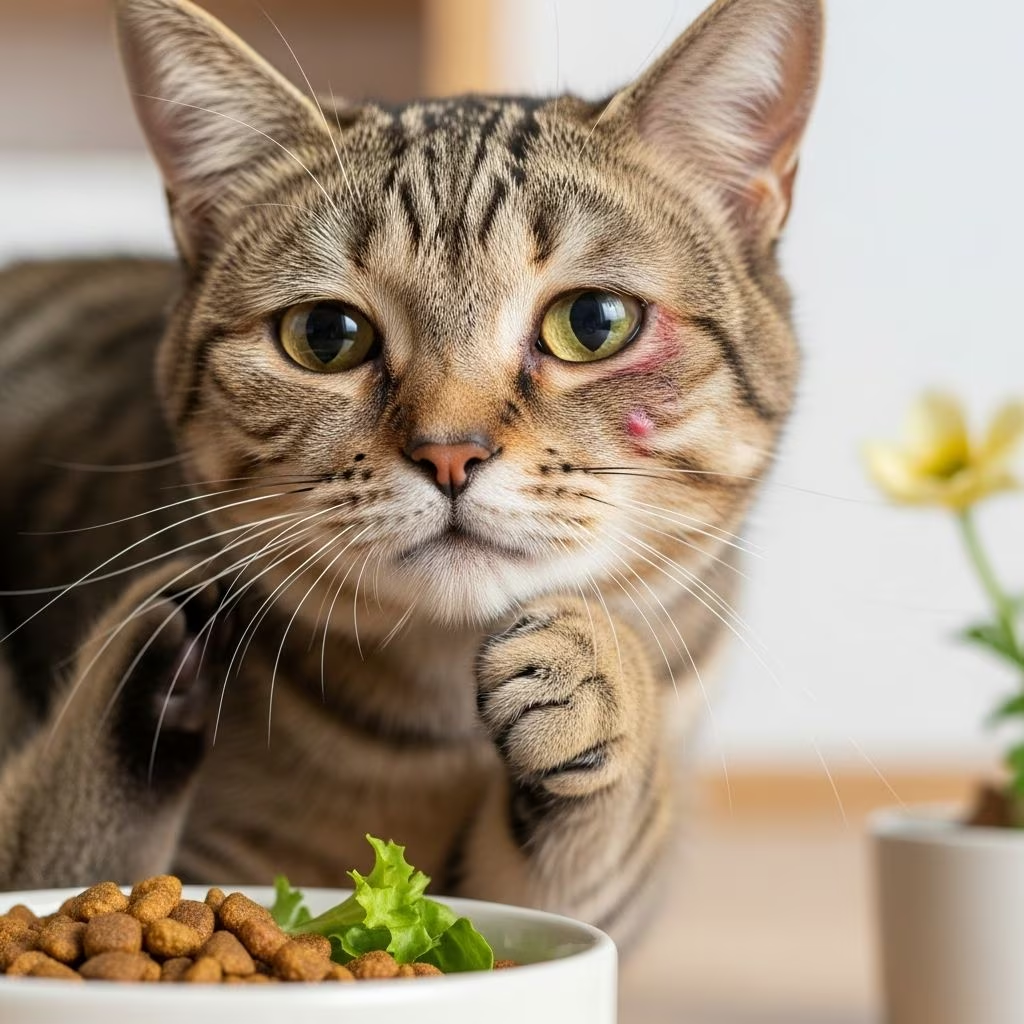
Cats often suffer from allergies affecting their skin or triggered by food, leading to discomfort and health complications if untreated. These conditions manifest as persistent itching, rashes, and digestive upset, requiring prompt veterinary attention for accurate diagnosis and relief.
Common Types of Allergies Impacting Feline Health
Feline allergies primarily fall into food-related and skin-based categories, each with distinct triggers and presentations. Food allergies stem from immune responses to dietary proteins, while skin allergies often involve environmental factors, fleas, or contact irritants.
- Food Allergies: Reactions to common proteins like beef, chicken, or fish cause ongoing issues unrelated to seasons.
- Skin Allergies (Atopic Dermatitis): Environmental pollen, dust mites, or molds provoke immune overreactions, worsening seasonally.
- Flea Allergy Dermatitis: Hypersensitivity to flea saliva leads to intense itching from minimal bites.
- Contact Allergies: Rare reactions to bedding, cleaners, or plastics directly irritating the skin.
Understanding these distinctions aids in targeted management, as treatments vary by type.
Recognizing Symptoms of Food Allergies in Cats
Food allergies provoke chronic symptoms not tied to seasonal changes, distinguishing them from other allergies. Cats may exhibit intense itching across the body, particularly around the head, neck, and tail base.
- Excessive scratching, licking, or chewing resulting in hair loss and scabs.
- Red, inflamed skin with possible secondary infections.
- Gastrointestinal signs like vomiting or diarrhea in some cases.
- Recurrent ear infections or paw inflammation.
These signs persist year-round, often worsening without dietary intervention. Veterinary sources emphasize that proteins in commercial foods are frequent culprits.
Signs Your Cat Has Skin Allergies
Skin allergies present with visible dermatological changes and behavioral shifts due to discomfort. Watch for patchy hair loss, flaky skin, and foul odors indicating infections.
| Symptom | Description | Common Locations |
|---|---|---|
| Intense Itching | Scratching, rubbing against surfaces | Face, ears, neck, belly |
| Skin Changes | Redness, pimples, crusts, scaling | Paws, groin, armpits |
| Hair Loss | Symmetrical bald patches | Back, sides, tail base |
| Secondary Issues | Infections, odor | Ears, skin folds |
These manifestations signal an overactive immune response, often compounded by bacterial or yeast overgrowth.
How Allergies Develop in Cats
Allergies occur when a cat’s immune system mistakenly targets harmless substances. For food allergies, repeated exposure to proteins like chicken or fish builds sensitivity over time, sometimes years. Skin allergies involve inhaled or contact allergens breaching the skin barrier, exacerbated by genetics or fleas.
Breeds like Siamese and Bengals may be predisposed, but any cat can develop issues. Early kittenhood exposures influence lifelong tolerances.
Diagnostic Approaches for Accurate Identification
Veterinarians rely on history, exams, and trials rather than blood tests, which lack specificity for cats. Skin scrapings rule out parasites or infections first.
Elimination Diet Trial for Food Allergies
The gold standard involves feeding a novel protein diet (e.g., rabbit, venison) or hydrolyzed formula for 8-12 weeks exclusively—no treats or flavored meds allowed. Symptom resolution confirms the diagnosis upon reintroducing suspects.
Testing for Skin and Environmental Allergies
Intradermal tests or serum IgE panels identify environmental triggers. Flea trials with strict prevention confirm dermatitis type. Patch tests assess contact allergens.
Strict adherence ensures reliability; partial compliance yields false negatives.
Treatment Strategies for Food Allergy Relief
Once identified, lifelong avoidance of triggers is key. Switch to prescription hypoallergenic or limited-ingredient foods.
- Hydrolyzed proteins prevent immune recognition.
- Novel ingredients like duck or lamb if tolerated.
- Regular vet monitoring for new sensitivities.
Symptomatic care includes antibiotics for infections and anti-itch meds during transitions.
Managing Skin Allergies Effectively
Treatment combines allergen control, symptom relief, and skin barrier support. Flea allergies demand year-round prevention.
- Medications: Steroids (prednisolone), cyclosporine (Atopica), or antihistamines reduce inflammation.
- Topicals: Medicated shampoos, sprays with fatty acids.
- Immunotherapy: Custom allergy shots reprogram responses long-term.
Omega-3 supplements strengthen skin, reducing flare-ups.
Supportive and Natural Adjunct Therapies
While no cures exist naturally, supportive measures aid management.
- Weekly oatmeal baths soothe irritation.
- Fish oil or essential fatty acids for barrier health.
- Probiotics balance gut flora, indirectly helping skin.
- Humidifiers minimize dust in environments.
Always consult vets before supplements to avoid interactions.
Preventing Allergy Flare-Ups in Cats
Proactive steps reduce recurrence. Maintain flea control, vacuum frequently, and use air purifiers. Annual vet exams catch issues early. For food allergies, read labels vigilantly.
Diet rotation under guidance prevents new sensitivities.
When to Seek Immediate Veterinary Care
Rush to the vet if itching causes self-trauma, infections spread, or GI symptoms intensify. Chronic cases risk permanent skin changes.
Frequently Asked Questions (FAQs)
Can cats outgrow food allergies?
No, food allergies are lifelong; management focuses on avoidance.
Are over-the-counter antihistamines safe for cats?
Some like diphenhydramine may help, but vet dosing is essential.
How long does an elimination diet take?
Typically 8-12 weeks for reliable results.
Do allergy shots work for all cats?
Effective for 60-80% with environmental allergies, per vet reports.
Can stress trigger allergy symptoms?
Yes, it weakens immunity, exacerbating flares.
Long-Term Outlook for Cats with Allergies
With diligent care, most cats achieve good control, enjoying itch-free lives. Multidisciplinary approaches yield best outcomes, combining diet, meds, and environment tweaks.
References
- Cat Skin Allergies: Symptoms & Treatments — Montecito Pet Hospital. 2024-07-15. https://www.montecitopethospital.com/site/blog/2024/07/15/cat-skin-allergy
- Cat Skin Allergies: Types, Symptoms, and How Vets Treat Them — PetMD. Accessed 2026. https://www.petmd.com/cat/conditions/skin/cat-skin-allergies-types-symptoms-and-how-vets-treat-them
- Allergies in Cats — VCA Animal Hospitals. Accessed 2026. https://vcahospitals.com/know-your-pet/allergies-in-cats
- Cat Food Allergies: Symptoms, Causes, and Treatment — PetMD. Accessed 2026. https://www.petmd.com/cat/conditions/digestive/food-allergies-cats
- Food Allergies — Cornell University College of Veterinary Medicine. Accessed 2026. https://www.vet.cornell.edu/departments-centers-and-institutes/cornell-feline-health-center/health-information/feline-health-topics/food-allergies



