

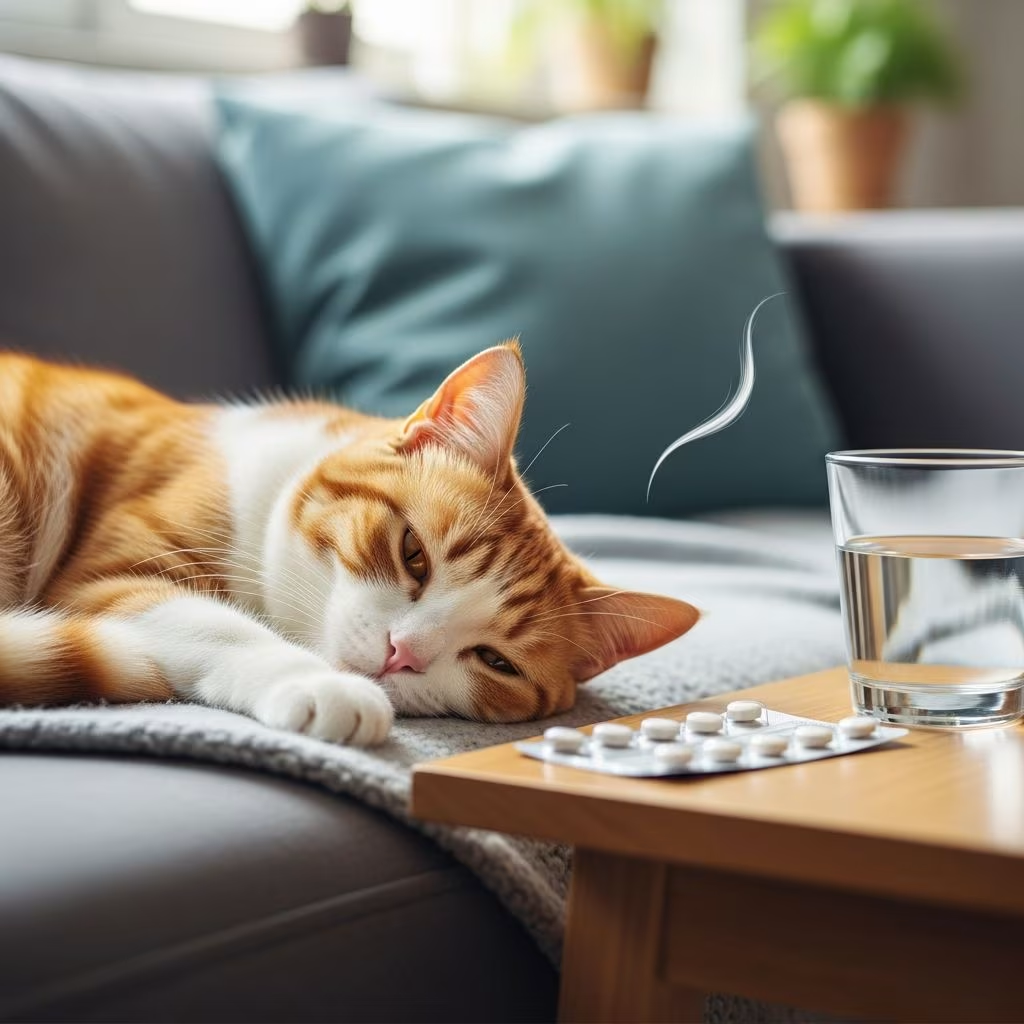
Feline allergies affect millions of cats, causing discomfort through itching, respiratory issues, and skin problems. Chlorpheniramine, a common antihistamine, offers targeted relief by blocking histamine effects, helping manage mild symptoms effectively when used correctly under veterinary supervision.
Recognizing Allergy Signs in Cats
Allergies in cats often mimic other conditions, making early detection crucial. Common indicators include persistent scratching, red inflamed skin, and excessive grooming that leads to hair loss or sores. Respiratory symptoms like sneezing, coughing, or wheezing signal airborne irritants, while gastrointestinal upset such as vomiting or diarrhea points to food sensitivities.
- Skin-related cues: Redness, scabs, paw licking, and ear infections from constant rubbing.
- Respiratory cues: Nasal discharge, snoring, or watery eyes.
- Digestive cues: Loose stools or regurgitation after meals.
- Behavioral changes: Restlessness, reduced appetite, or hiding due to discomfort.
These signs warrant a vet visit for proper diagnosis, as untreated allergies can escalate to secondary infections.
Types of Allergies Affecting Cats
Cats face four primary allergy categories: flea, environmental, food, and contact. Flea allergies trigger intense itching from even minimal bites, often concentrating on the base of the tail and hindquarters. Environmental allergens like pollen, dust mites, or mold provoke seasonal flare-ups, mimicking human hay fever.
Food allergies stem from proteins in diets, causing year-round issues without obvious triggers. Contact allergies, rarer, arise from irritants like certain fabrics or cleaners touching the skin. Identifying the type guides treatment, with intradermal testing or elimination trials confirming culprits.
| Allergy Type | Common Triggers | Prevalent Symptoms |
|---|---|---|
| Flea | Flea saliva | Intense hindquarter itching, hair loss |
| Environmental | Pollen, dust, mold | Sneezing, itchy eyes, skin redness |
| Food | Beef, dairy, grains | Vomiting, diarrhea, chronic itching |
| Contact | Plastics, wool | Localized chin or belly irritation |
Role of Chlorpheniramine in Feline Allergy Management
Chlorpheniramine maleate, an H1-receptor antagonist, counters histamine release during allergic reactions, reducing itching and swelling. Unlike steroids, it offers milder intervention suitable for mild cases, with dosages typically at 1-2 mg every 8-12 hours for cats, always vet-determined based on weight.
Vets recommend it for seasonal allergies or as adjunct therapy, noting its sedative side effect can calm anxious, itchy cats. Effectiveness peaks within 1-2 hours, lasting 8-12 hours, making it practical for daily use.
Safe Dosing and Administration Tips
Precision dosing prevents overdose risks. For a 5-10 lb cat, 1 mg (quarter of a 4 mg tablet) suffices; larger cats may need up to 4 mg daily, split doses. Crush and mix with food if pilling proves challenging, ensuring full ingestion.
- Consult vet for exact amount, considering age, health, and concurrent meds.
- Monitor first dose for drowsiness or appetite changes.
- Avoid in cats with glaucoma, hypertension, or heart issues.
- Store at room temperature, away from light and moisture.
Human formulations work if plain; skip combinations with decongestants like pseudoephedrine, toxic to cats.
Potential Side Effects and Precautions
While generally safe, chlorpheniramine may induce lethargy, dry mouth, or urinary retention. Rare reactions include hyperactivity or gastrointestinal upset. Discontinue if seizures, severe sedation, or breathing difficulties occur, seeking emergency care.
Pregnant or nursing queens require alternative options, as safety data lacks. Drug interactions with sedatives or anticholinergics amplify effects, so disclose full medication history.
Complementary Therapies for Enhanced Relief
Pair chlorpheniramine with multifaceted strategies for optimal results. Prescription options like Atopica (cyclosporine) modify immune responses for chronic cases, taking weeks but offering steroid-free control.
Steroids like prednisolone provide rapid itch suppression short-term, transitioning to safer long-term meds. Apoquel, though dog-labeled, shows off-label promise in cats under supervision.
Environmental Modifications
Minimize exposure via HEPA air filters, frequent vacuuming, and washing bedding weekly. Bathe cats bi-weekly with hypoallergenic oatmeal shampoos to remove allergens, preserving flea preventives.
Dietary Interventions
Hydrolyzed protein diets during 8-12 week trials unmask food allergies. Omega-3 supplements from fish oil reduce inflammation, while probiotics balance gut flora aiding skin health.
Topical and Injectable Options
Medicated wipes, sprays, or ear cleaners target hotspots. Immunotherapy shots desensitize to specific allergens over months, ideal for environmental triggers.
Diagnostic Approaches for Accurate Treatment
Vets start with history and exams, followed by skin scrapes ruling out parasites. Blood tests gauge overall health, while elimination diets confirm food issues. Intradermal or serum testing identifies environmental allergens precisely.
Avoid self-diagnosis; overlapping symptoms with mites, ringworm, or hyperthyroidism mislead.
Holistic and Preventive Strategies
Integrate essential fatty acids, hypoallergenic diets, and stress reduction via pheromones. Strict flea control prevents exacerbations, as fleas worsen all allergies. Regular wellness checks catch issues early.
Probiotics support immunity, potentially lessening reactions. Avoid smoking indoors and harsh cleaners to curb irritants.
When to Escalate Care
Seek immediate help for anaphylaxis signs: facial swelling, collapse, or breathing distress. Chronic non-response to chlorpheniramine signals advanced therapy needs like biologics or hospitalization.
FAQs on Chlorpheniramine for Cat Allergies
Q: Can I give my cat chlorpheniramine without a vet?
A: No, always consult for safe dosing to avoid toxicity.
Q: How quickly does it work?
A: Relief often starts in 1-2 hours, peaking at 4-6 hours.
Q: Is it safe long-term?
A: Best for short-term; vets prefer alternatives for chronic use.
Q: What if my cat vomits after dosing?
A: Stop use and contact vet; try with food next time.
Q: Alternatives for non-responders?
A: Atopica, steroids, or immunotherapy per vet recommendation.
References
- What Can I Give My Cat for Allergies? — Newtown Vets. 2023-02-28. https://www.newtownvets.com/site/blog/2023/02/28/what-can-i-give-my-cat-for-allergies
- Pets, Dog and Cat Allergies | Symptoms & Treatment — ACAAI. N/A. https://acaai.org/allergies/allergic-conditions/pet-allergies/
- The best medicines for allergy symptoms in cats — Vetster. N/A. https://vetster.com/en/wellness/the-best-medicines-for-allergy-symptoms-in-cats
- Cat Allergy Treatment — My Best Friend Vet. N/A. https://www.mybestfriendvet.com/cat-allergy-treatment/
- Cat Allergies: Types and Symptoms — PetMD. N/A. https://www.petmd.com/cat/conditions/systemic/allergies-cats
- Allergic to your cat? Easy tips to prevent and control your allergy — Ohio State University College of Veterinary Medicine. N/A. https://vet.osu.edu/sites/default/files/documents/allergic%20to%20your%20cat.pdf
- Allergic to Your Pet? Learn About Dog and Cat Allergies — Asthma and Allergy Foundation of America. N/A. https://aafa.org/allergies/types-of-allergies/pet-dog-cat-allergies/



