

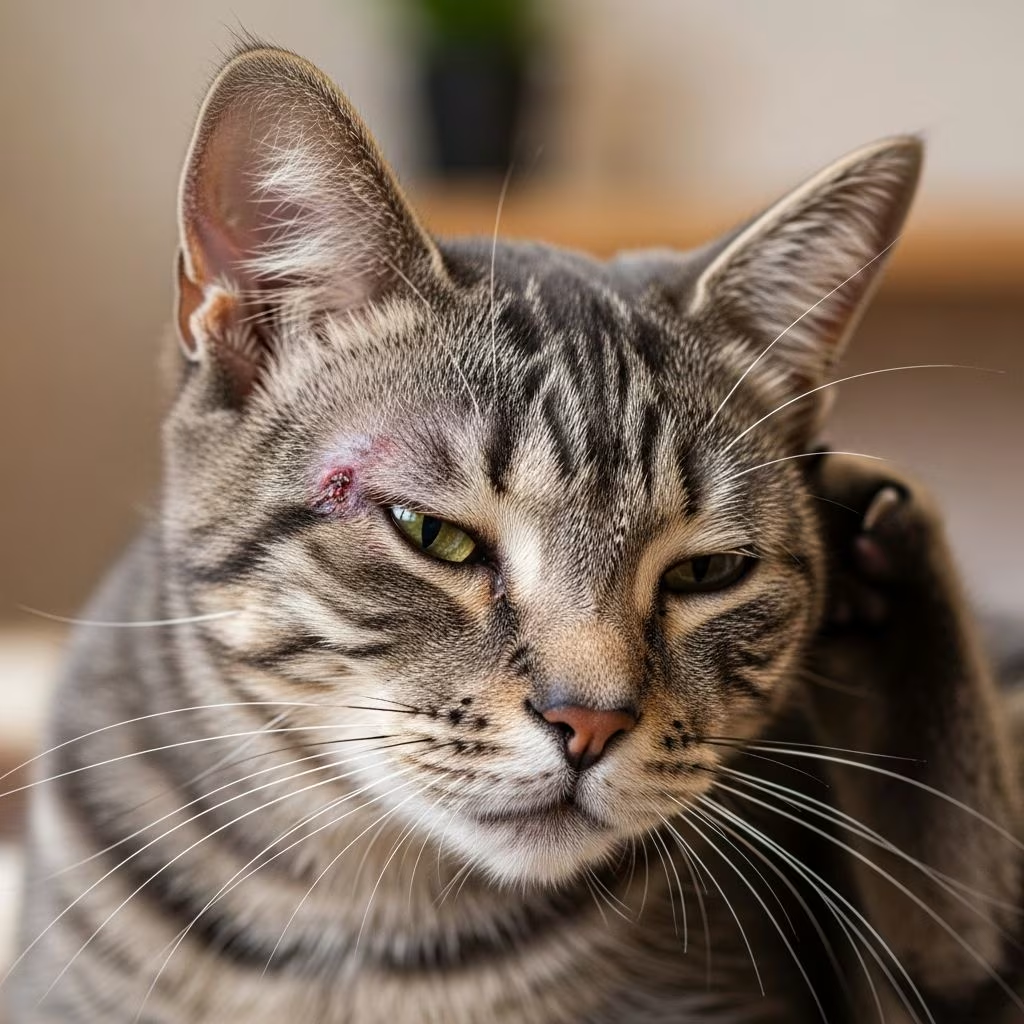
Allergic dermatitis in cats manifests as an inflammatory skin condition triggered by hypersensitivity to various allergens, leading to discomfort and visible skin changes. This guide explores the underlying causes, recognizable signs, diagnostic processes, and management options to help cat owners address this prevalent issue effectively.
Understanding the Nature of Feline Allergic Skin Reactions
Allergic dermatitis, often presenting as miliary dermatitis, involves small, crusty bumps resembling millet seeds across the cat’s skin. This reaction pattern stems from the immune system’s overresponse to harmless substances, causing inflammation and pruritus (intense itching). Unlike infections, these conditions are hypersensitivity responses, where even minimal exposure provokes severe symptoms. Cats may develop this at any age, with certain breeds like Abyssinians showing higher susceptibility.
The skin’s barrier function weakens over repeated exposures, allowing allergens to penetrate and trigger inflammatory cascades involving IgE antibodies. This leads to clinical signs that can mimic other dermatoses, necessitating thorough veterinary evaluation.
Primary Triggers Behind Cat Skin Allergies
Several allergens commonly provoke dermatitis in felines. Identifying the culprit is crucial for targeted therapy.
Flea Bite Hypersensitivity: The Leading Culprit
Flea allergy dermatitis tops the list, where a single flea bite suffices to ignite a reaction in sensitive cats. Saliva from fleas acts as the antigen, prompting immediate itching, particularly along the back, base of tail, and hindquarters. Even indoor cats face risk if fleas hitch a ride indoors.
Environmental Allergens and Atopic Dermatitis
Atopic dermatitis arises from reactions to pollen, dust mites, molds, and grasses. Symptoms often wax and wane seasonally, affecting face, ears, paws, and belly. Feline atopy, akin to human eczema, involves IgE-mediated responses and affects about 12.5% of cats in studied populations.
Food-Related Adverse Reactions
Though less frequent, food allergies to proteins like beef, chicken, or fish cause year-round symptoms. Unlike intolerances, these involve immune activation, leading to dermatitis without dietary changes. Gastrointestinal signs may accompany skin issues.
Other Contributors: Parasites and Contacts
Parasites beyond fleas, such as mites (cheyletiella, notoedres), lice, or harvest mites, induce similar patterns. Rare contact dermatitis occurs from irritants like cleaners touching bare skin.
Recognizing Symptoms of Allergic Dermatitis
Early detection prevents secondary complications like infections. Watch for:
- Intense pruritus causing excessive grooming, scratching, or chewing, often at night.
- Small red bumps with crusts, especially on back, neck, and tail base.
- Symmetrical hair loss (alopecia) from over-grooming.
- Red, inflamed skin; scabs; or moist lesions (hot spots).
- Behavioral shifts: restlessness, irritability, or reduced appetite due to discomfort.
- Secondary issues: ear infections, foul odors, or ulcers.
Cats may exhibit ‘silent grooming,’ hiding symptoms until lesions appear, delaying owner awareness.
Diagnostic Approaches for Accurate Identification
Veterinarians employ a stepwise process to pinpoint causes, ruling out mimics like infections or endocrine disorders.
| Diagnostic Step | Purpose | Common Findings |
|---|---|---|
| Skin Scraping & Flea Comb | Detect parasites | Fleas, mites, lice eggs |
| Skin Cytology/Culture | Check infections | Bacteria, yeast overgrowth |
| Flea Control Trial (4-8 weeks) | Test flea allergy | Resolution confirms |
| Food Elimination Diet (8-12 weeks) | Identify food triggers | Hypoallergenic diet response |
| Intradermal Testing/Serology | Environmental allergens | Specific IgE patterns |
History, clinical exam, and response to trials guide diagnosis. Biopsies are reserved for ambiguous cases.
Comprehensive Treatment Strategies
Treatment targets allergens, symptoms, and secondary effects.
Parasite Control Essentials
Strict flea prevention with topical/oral products covering the household is foundational. Monthly treatments prevent reinfestation.
Medications for Relief
- Corticosteroids: Short-term for rapid itch control (e.g., prednisolone).
- Oclacitinib or Cyclosporine: Non-steroidal immunosuppressants for chronic cases.
- Antibiotics/Antifungals: For secondary infections.
- Antihistamines: Limited efficacy in cats.
Dietary Management
Hydrolyzed protein diets for 8-12 weeks test food allergies, followed by challenge phases.
Environmental and Atopic Therapies
Allergen-specific immunotherapy (ASIT) desensitizes via injections or sublingual drops, effective in 60-70% of cases. Bathing with soothing shampoos supports skin barrier.
Preventive Measures for Long-Term Skin Health
Proactive steps minimize flare-ups:
- Year-round flea control for all pets and home.
- Regular grooming to monitor skin.
- Air purifiers, frequent cleaning to reduce dust/pollen.
- Novel protein diets if allergies confirmed.
- Omega-3 supplements for anti-inflammatory benefits.
- Avoid irritants like harsh cleaners.
When to Seek Veterinary Care Urgently
Consult a vet if itching persists >2 days, lesions spread, or systemic signs (lethargy, anorexia) emerge. Early intervention averts chronicity.
FAQs on Feline Allergic Dermatitis
Can indoor cats get allergic dermatitis?
Yes, via fleas, food, or indoor allergens like dust mites.
How long do food trials take?
8-12 weeks strictly, no treats.
Is miliary dermatitis contagious?
No, it’s allergic, not infectious.
Do steroids have side effects in cats?
Yes, long-term use risks diabetes, but short courses are safe.
Can allergies resolve spontaneously?
Rarely; management is key for lifelong control.
Maintaining vigilance ensures your cat’s comfort and quality of life amid allergic challenges.
References
- Cat Miliary Dermatitis: Causes and Treatment — MedVet. 2023. https://www.medvet.com/cat-miliary-dermatitis-causes-and-treatment/
- Miliary Dermatitis in Cats — VCA Animal Hospitals. 2023. https://vcahospitals.com/know-your-pet/feline-miliary-dermatitis
- Diagnosing Dermatitis in Dogs and Cats — Animal Cove Pet Hospital. 2024. https://animalcove.com/diagnosing-dermatitis-in-dogs-and-cats/
- Atopic dermatitis in cats — PMC – NIH. 2018-02-01. https://pmc.ncbi.nlm.nih.gov/articles/PMC5819051/
- Understanding Dermatitis Caused by Cat Food Allergies — Chino Valley Animal Hospital. 2023. https://chinovalleyanimalhospital.com/blog/understanding-dermatitis-caused-by-cat-food-allergies/
- Cat Skin Allergies: Types, Symptoms, and How Vets Treat Them — PetMD. 2024. https://www.petmd.com/cat/conditions/skin/cat-skin-allergies-types-symptoms-and-how-vets-treat-them
- Skin allergies (atopic dermatitis) in cats — PDSA. 2024. https://www.pdsa.org.uk/pet-help-and-advice/pet-health-hub/conditions/skin-allergies-atopic-dermatitis-in-cats



