

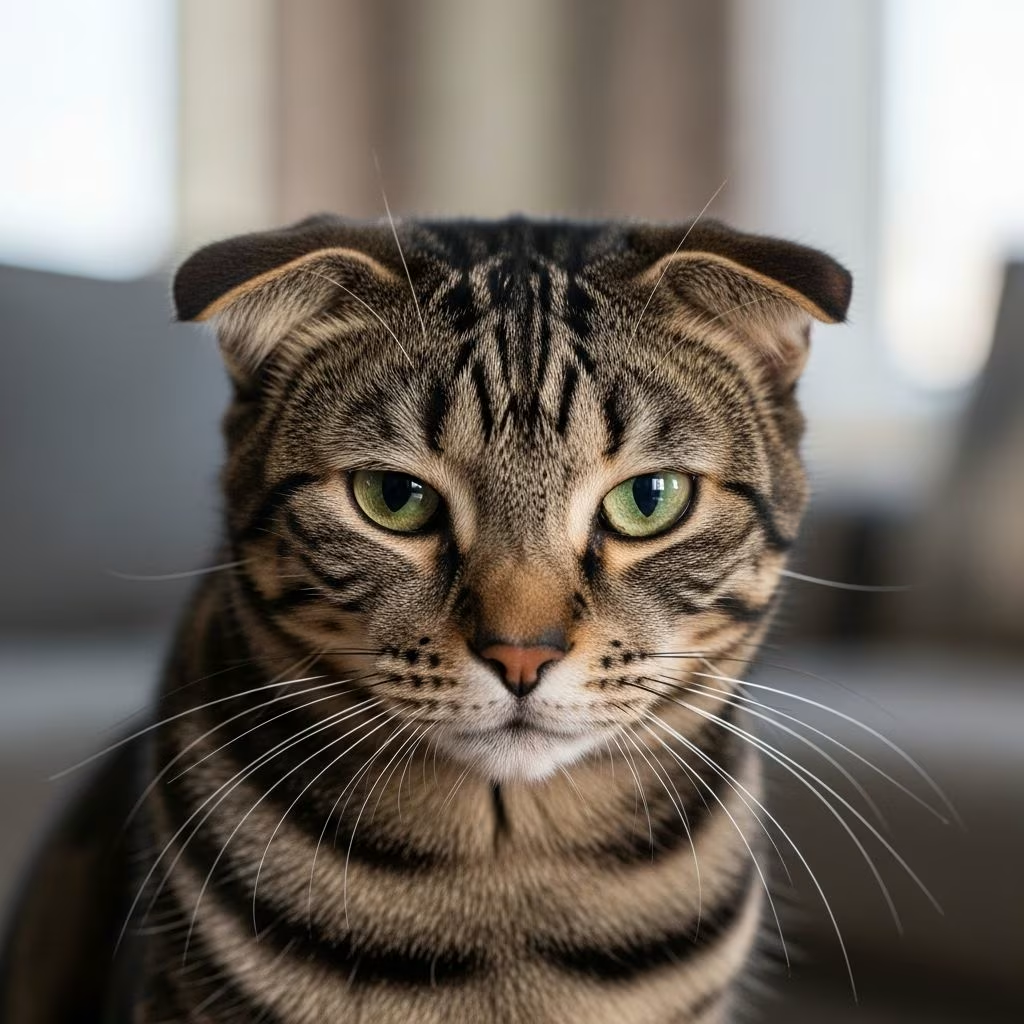
Cat airplane ears occur when a feline flattens and angles its ears outward, resembling small wings on the sides of its head. This distinctive position serves as a vital communication tool, often indicating that your cat feels uneasy, threatened, or overwhelmed.
The Anatomy Behind Cat Ear Movements
Cats possess remarkable control over their ears due to an intricate muscular structure. While humans have just a few muscles for ear movement, cats boast up to 32 muscles in each outer ear, or pinna. This allows them to swivel, rotate, and position ears independently, enhancing their ability to detect sounds from all directions and express emotions precisely.
These muscles enable a wide array of ear positions, each conveying different states: forward for curiosity, upright for relaxation, and sideways or flattened for distress. Airplane ears specifically flatten against the head’s sides, a defensive posture that protects sensitive ear tissue while signaling discomfort to others.
Primary Reasons for Airplane Ears in Cats
Observing airplane ears helps owners decode their cat’s inner world. Here are the most common triggers:
- Fear or Threat Perception: When sensing danger, such as an unfamiliar dog, stranger, or loud noise, cats flatten ears to appear smaller and shield them from potential attacks. This pairs with crouching, tail tucking, or hissing.
- Stress and Anxiety: New environments like travel spots or boarding facilities can provoke unease. Ears angle sideways as the cat scans for escape routes, staying hyper-alert.
- Overstimulation During Interaction: Excessive petting, loud music, or intense play overwhelms cats, leading to this warning. Ignoring it risks petting-induced aggression, like sudden bites or scratches.
- Annoyance or Irritation: Flicking ears escalate to airplane position when a cat tires of persistent handling or minor irritants, signaling a need for space.
Less Common but Positive Interpretations
Though typically negative, airplane ears occasionally reflect milder states. A cat might briefly adopt this pose out of curiosity about a new sound or sight, cautiously assessing before approaching. During playful arousal, ears may tilt sideways without full flattening, blending excitement with vigilance. Context, like relaxed body posture or purring, distinguishes these from distress signals.
Airplane Ears as Indicators of Pain or Illness
Beyond emotional cues, persistent airplane ears can flag health issues. Acute pain prompts quick ear flicks or tilts, while chronic discomfort causes sustained flattening. Common culprits include ear infections (bacterial, fungal, or mite-related), evident by head shaking, scratching, or uneven ear carriage.
Watch for accompanying symptoms signaling broader problems:
| Symptom | Possible Cause |
|---|---|
| Lethargy or hiding | Pain, infection |
| Loss of appetite | Illness, dental issues |
| Altered vocalization | Respiratory or throat pain |
| Changes in grooming | Arthritis, skin conditions |
| Vomiting or diarrhea | Gastrointestinal distress |
If airplane ears persist alongside these, veterinary evaluation is essential to rule out underlying conditions.
Decoding Full Body Language with Ear Positions
Ears rarely communicate alone; integrate them with tail, whiskers, and posture for accurate reading:
- Forward Ears + Dilated Pupils: High curiosity or hunting mode.
- Airplane Ears + Arched Back + Puffed Tail: Defensive aggression or fear.
- Flattened Ears + Twitching Tail: Imminent irritation or attack readiness.
- Sideways Ears + Relaxed Body: Mild caution or playful interest.
This holistic approach prevents misinterpretation, fostering better human-feline bonds.
Immediate Steps to Take When Seeing Airplane Ears
Your response can de-escalate quickly. First, cease all interaction—stop petting, playing, or approaching. Create distance to let your cat retreat voluntarily.
- Identify Triggers: Scan for noise, strangers, other pets, or overstimulation sources.
- Provide Safe Spaces: Offer quiet rooms, covered beds, or high perches for security.
- Reduce Stimuli: Lower volumes, remove threats, or separate animals.
- Monitor Recovery: Ears should return to neutral within minutes in calm settings.
For frequent episodes, enrich the environment with scratching posts, toys, and pheromone diffusers to lower baseline stress.
Preventing Airplane Ears Through Daily Care
Proactive habits minimize distress signals:
- Establish routines for feeding, play, and litter to build security.
- Introduce changes gradually, like new household members.
- Schedule regular vet checkups for early health detection.
- Promote exercise via interactive toys to burn off anxiety.
- Use calming aids like fleece beds or covered huts for retreat.
When to Consult a Veterinarian
Airplane ears alone may not demand a visit, but combined with behavioral shifts—like appetite loss, vocal changes, or grooming decline—warrant prompt care. Vets can diagnose infections, pain, or systemic issues via exams, ruling out serious conditions early.
Frequently Asked Questions (FAQs)
What do airplane ears mean in cats?
They typically signal discomfort, fear, stress, or pain, urging owners to back off and assess the situation.
Are airplane ears always bad?
Mostly yes, but rarely indicate cautious curiosity if the body remains relaxed.
How do I stop my cat’s airplane ears?
Give space, remove stressors, and provide hideouts; persistence needs vet attention.
Can airplane ears mean my cat is playing?
Not usually—play involves forward or twitching ears; flattened ones warn of overstimulation.
Do all cats show airplane ears the same way?
Slight variations exist by breed or individual, but the sideways flatten is universal for unease.
Enhancing Communication with Your Cat
Mastering ear language deepens trust. Observe daily patterns, respect boundaries, and respond empathetically. Over time, your cat will relax more, reducing defensive displays. Patient owners attuned to these subtleties enjoy harmonious companionship.
References
- Cat Airplane Ears: What They Mean, and What To Do — Chewy. 2023. https://www.chewy.com/education/cat/training-and-behavior/cat-airplane-ears-what-they-mean-and-what-to-do
- Cat airplane ears: What do they mean? — Creative Science. 2023. https://creative.science/education/cat-airplane-ears-what-do-they-mean
- Why Do Cats Put Their Ears Back? Cat Airplane Ears, Explained — TrustedHousesitters. 2023. https://www.trustedhousesitters.com/blog/pets/why-do-cats-put-their-ears-back/
- What Do “Airplane Ears” Mean on a Cat? — Figo Pet Insurance. 2023. https://figopetinsurance.com/blog/what-do-airplane-ears-mean-cat



