

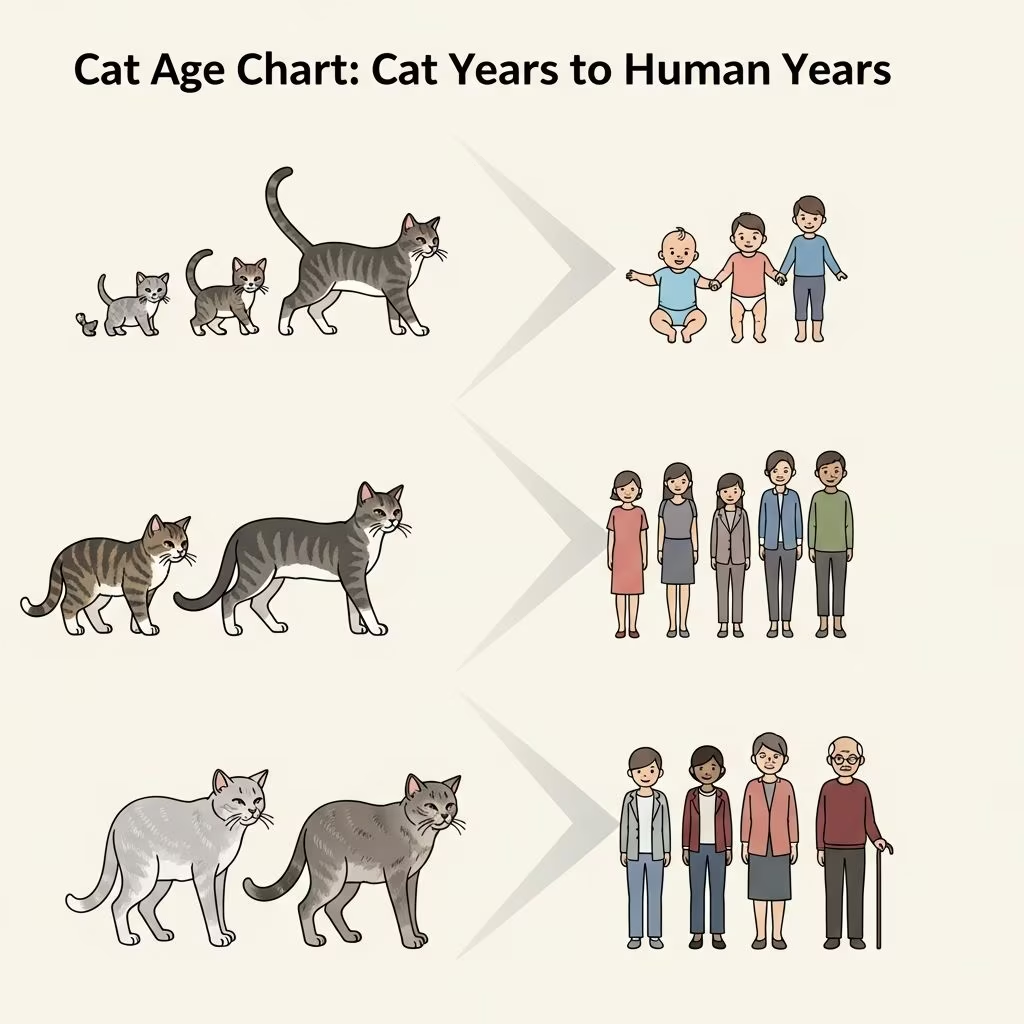
Cats age differently than humans, maturing rapidly in their early years before slowing down. A kitten’s first year equates to about 15 human years, with subsequent years adding around 4 human years per cat year after age two. This guide provides a detailed cat age chart, life stage breakdowns, and essential milestones to help you understand your feline friend’s equivalent human age and care needs.
Cat Life Stages: From Kitten to Super Senior
Understanding cat life stages is crucial for tailored nutrition, exercise, and veterinary care. Cats progress through distinct phases, each with unique physical, behavioral, and health requirements. Here’s a comprehensive overview based on veterinary guidelines.
Pediatric (Birth to Six Months)
Kittens in the pediatric stage undergo explosive growth, transitioning from helpless newborns to energetic explorers. From birth, they rely on mother’s milk, with eyes opening around 7-14 days and ears unfolding shortly after. By 3-4 weeks, they begin walking and weaning, developing baby teeth like incisors and canines. Weight gain is rapid: from 100 grams at birth to 460-550 grams by four weeks, reaching 800-1,000 grams at eight weeks.
Teething starts at 2-4 weeks, with a full set of baby teeth by 6-8 weeks. Vision sharpens as eye color shifts from blue to adult hues around 4-6 weeks. Behaviorally, they play, groom, and learn litter box use by 4-12 weeks. Vaccinations and deworming begin at 6-8 weeks. This phase demands high-calorie kitten food for growth.
Juvenile (Six Months to One Year)
Juvenile cats hit adolescence, reaching sexual maturity between 4-10 months, often around six months. Females may enter their first heat cycle, risking early pregnancy, which is dangerous before full growth. Males become fertile at 5-6 months. Growth continues, with most reaching adult size by one year, though muscle development persists.
Adult teeth replace baby ones between 3-6 months, completing by 7 months. Energy levels peak; expect mischief like scratching and marking. Switch to junior or early adult food around 10-12 months as calorie needs stabilize. Spaying/neutering is recommended by 6 months to prevent health risks.
Young Adult (One to Two Years)
By one year, cats stop major growth, equivalent to a human teenager graduating high school. Their frame is set, but they may fill out muscularly until two years. Switch fully to adult diet, as kitten formulas provide excess calories. Prime health years begin; reinforce habits like scratching posts and play for lifelong wellness.
Behavior stabilizes, but some retain playful kitten traits. Annual vet check-ups monitor for issues like dental health, as adult teeth settle. Fertility peaks; unspayed females cycle every 2-3 weeks.
Adult (Two to Eight Years)
Fully mature adults (2-8 years) enter peak vitality, akin to human 20s-30s. They require balanced adult nutrition, regular exercise, and yearly exams. Maintain ideal weight to prevent obesity, a common issue. Dental care, flea prevention, and vaccinations continue.
Monitor for subtle changes like reduced activity. Breeds vary: Persians mature slower, Maine Coons larger. This stage sets the foundation for healthy aging through diet and stimulation.
Senior (Eight to Thirteen Years)
Senior cats (8-13 years) mirror human middle age (late 50s-60s). Subtle signs emerge: grayer fur, weight loss/gain, increased thirst, or mobility issues. Vet recommends biannual check-ups for early detection of kidney disease, arthritis, or hyperthyroidism.
Switch to senior formulas with joint support, lower calories, and antioxidants. Encourage gentle play, ramps for jumping, and soft bedding. Many remain active, but dental cleanings address gum disease prevalent in 70% of seniors.
Super Senior (Thirteen Years and Older)
Geriatric cats (13+) equate to human 70s+, needing vigilant care. Common issues: chronic kidney disease (affecting 30-50%), diabetes, cancer. Weight management, prescription diets, and frequent vet visits (every 6 months) are essential. Pain management for arthritis improves quality of life.
Adapt environment: low-sided litter boxes, heated beds. Fertility persists but pregnancies are rare and risky post-14 years. With care, many live happily into late teens or 20s.
How Many Human Years Are in a Cat Year?
The myth of 1 cat year = 7 human years is inaccurate. Kittens mature fast: first year ≈15-16 human years, second ≈4 more (total 24). Thereafter, each cat year adds 4 human years. An 18-year-old cat ≈88 human years.
Factors like breed, size, and health influence aging. Smaller breeds often live longer (15-20 years) vs. larger ones (12-15 years). Indoor cats outlive outdoor ones by 3-5 years.
Cat Age Chart: Cat Years to Human Years
Use this veterinarian-informed chart for quick reference. It’s approximate, as individual health varies.
| Cat Age (Years) | Human Age Equivalent |
|---|---|
| 1 | 15 |
| 2 | 24 |
| 3 | 28 |
| 4 | 32 |
| 5 | 36 |
| 6 | 40 |
| 7 | 44 |
| 8 | 48 |
| 9 | 52 |
| 10 | 56 |
| 11 | 60 |
| 12 | 64 |
| 13 | 68 |
| 14 | 72 |
| 15 | 76 |
| 16 | 80 |
| 17 | 84 |
| 18 | 88 |
Key Developmental Milestones by Age
- Birth-2 weeks: Eyes/ears open, crawling, mom-dependent for elimination. Weight: 100-200g.
- 3-4 weeks: Walking, self-elimination, baby teeth erupt. Weaning starts.
- 4-6 weeks: Eye color changes, premolars, solid food intro. Vaccinations begin.
- 8 weeks: Full baby teeth, fully weaned, adoptable age.
- 12 weeks: Litter trained, grooming, adult teeth starting.
- 4-12 months: Full adult teeth, sexual maturity, growth completes.
- Puberty: 4-10 months; spay/neuter advised.
- Mature size: By 1 year.
- Senior signs: 8+ years; fertility loss none, but risky.
Care Tips for Each Life Stage
Kitten/Juvenile: High-protein growth food, frequent meals, socialization, initial vaccines series.
Adult: Balanced diet, play daily, annual vet, dental treats.
Senior/Super Senior: Senior food (lower phosphorus for kidneys), joint supplements, bloodwork biannually, environmental mods.
Frequently Asked Questions (FAQs)
What is a 1-year-old cat in human years?
A 1-year-old cat is approximately 15 human years old, having rapidly matured through kittenhood.
When do kittens reach sexual maturity?
Most between 4-10 months, commonly 6 months; spay/neuter early to avoid risks.
Do cats go through menopause?
No, cats remain fertile into senior years, though pregnancies are dangerous after 10-14 years.
How can I tell my cat’s age if adopted?
Vets assess teeth, eyes, muscle tone. Kittens by milestones; adults by wear.
What diet for a 10-year-old cat?
Senior formula with controlled protein/phosphorus to support kidneys and weight.
References
- Cat-Age Chart: Calculating Your Cat’s Age in Human Years — Kinship. 2023. https://www.kinship.com/cat-health/cat-age-chart
- How to Determine a Kitten’s Age—Reference This Timeline — Kinship. 2023. https://www.kinship.com/cat-health/how-can-you-tell-how-old-a-kitten-is
- A Journey Through the Ages: Understanding Your Cat’s Life Stages — American Animal Hospital Association (AAHA). 2024. https://www.aaha.org/resources/a-journey-through-the-ages-understanding-your-cats-life-stages/
- Cat Age Guide: What to Expect at Every Stage — YouTube (Veterinary Content). 2023. https://www.youtube.com/watch?v=usX75pPJzqY
- How Old Is That Kitten? Kitten Progression — Alley Cat Allies. 2023. https://www.alleycat.org/resources/kitten-progression/
- Cat care by life stage — International Cat Care. 2024. https://icatcare.org/cat-advice/cat-life-stages



