

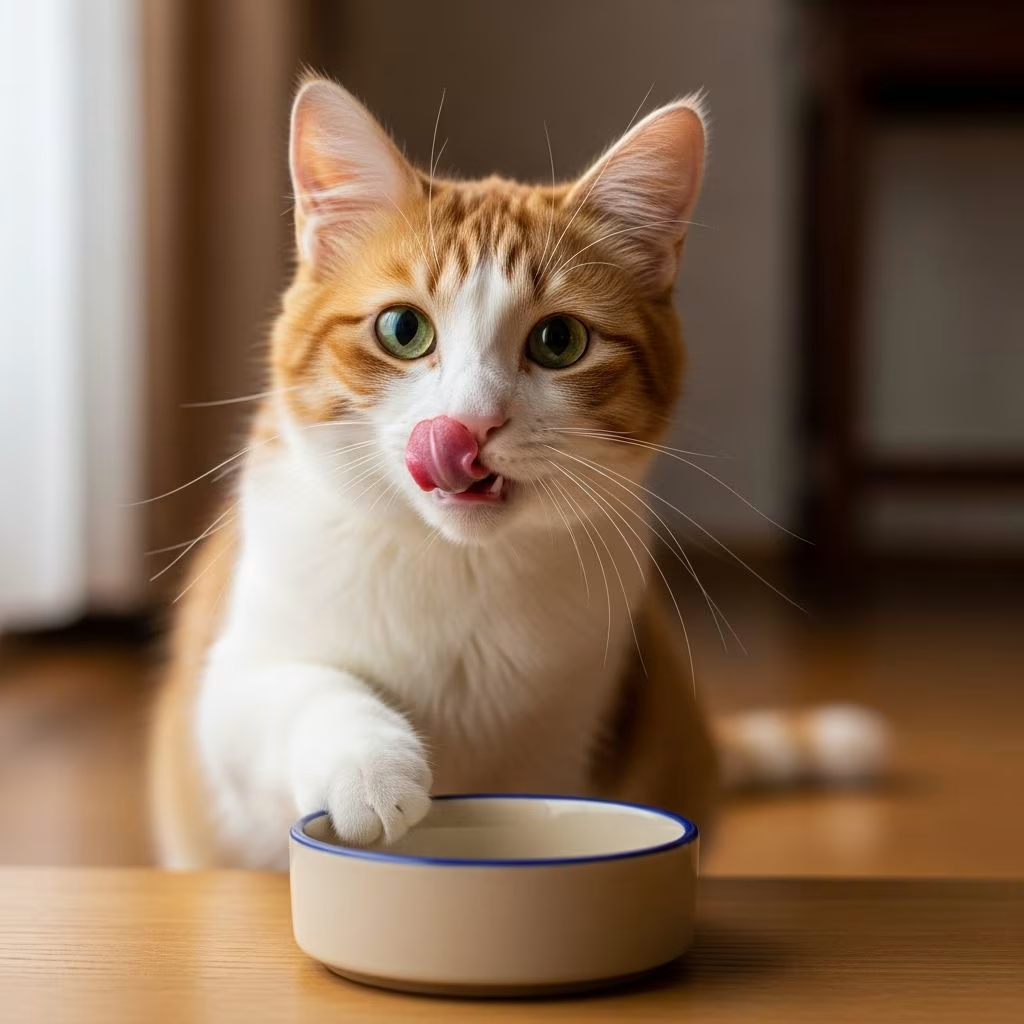
Many cat owners notice their pets pausing mid-meal when they leave the room or meowing insistently for attention during feeding time. This phenomenon, known as affection eating, involves cats that seek or require human companionship to eat comfortably. While it can seem like a sweet sign of bonding, it often stems from underlying emotional needs and may signal the need for intervention to ensure your cat’s long-term health and independence.
Defining Affection Eating in Felines
Affection eating occurs when a cat prefers to dine in the presence of their owner, deriving comfort from proximity, petting, or even direct interaction like hand-feeding. These cats might consume more food with you nearby or refuse meals entirely in solitude. Unlike solitary eaters who seek quiet corners, affection eaters actively solicit your involvement, turning mealtime into a social event.
This behavior contrasts with typical feline instincts, where wild cats often eat alone to avoid threats. Domestic cats, however, may adapt differently based on their environment and history, blending pack-like security with human attachment.
Core Causes Behind This Mealtime Dependency
Several factors contribute to affection eating, ranging from emotional distress to developmental influences. Understanding these roots helps owners respond effectively rather than reinforcing the habit.
Stress and Anxiety as Primary Triggers
The leading cause is environmental stress or anxiety. Cats facing changes like relocation, new household members (pets or babies), or disruptive noises may link your presence with safety. During meals—a vulnerable time—they seek reassurance from you, halting eating if you depart.
For instance, construction sounds or altered routines can heighten vigilance, making solo eating feel risky. Your calm demeanor provides a buffer, encouraging intake but fostering reliance over time.
Influence of Early Life and Socialization
Cats hand-reared, bottle-fed, or separated from their mother prematurely often develop strong human bonds early on. Without littermates to model independent eating, they associate humans with the security once provided by siblings or dam.
Shelter cats accustomed to communal feeding around other felines or staff may transfer this group dynamic to their owners post-adoption, struggling to transition to alone time at the bowl.
Learned Associations and Reinforcement
Cats excel at pattern recognition. If past hesitation prompted you to pet, talk to, or hand-feed them, they learn to replicate the scenario for rewards. What starts as occasional comfort becomes an expected ritual, embedding dependency.
- Initial reluctance met with attention.
- Repeated interactions solidify the link between your presence and successful meals.
- Escalation to refusal without engagement.
Recognizing the Signs of an Affection Eater
Distinguishing casual clinginess from true affection eating involves observing consistent patterns. Key indicators include:
- Ceasing to eat immediately upon your exit from the room, often following you vocally.
- Increased fussiness with food types or portions unless accompanied.
- Active requests for petting, bowl-rattling, or spoon-feeding during meals.
- Reluctance confined to feeding times, not general play or rest.
Body language offers clues: relaxed ears and purring signal enjoyment, while tense posture or swatting suggests discomfort with touch—respect these boundaries to avoid stress.
| Sign | Normal Behavior | Affection Eating Red Flag |
|---|---|---|
| Response to Owner Leaving | Continues eating unperturbed | Stops and pursues owner |
| Interaction Preference | Eats independently or tolerates presence | Demands petting or attention |
| Meal Completion | Finishes promptly | Leaves food untouched alone |
Potential Risks and When to Worry
Mild affection eating poses little issue, especially post-change, serving as a temporary cope. However, chronic cases risk weight loss, nutritional deficits, and perpetuated anxiety cycles. If refusal leads to skipped meals over 24-48 hours, dehydration or hepatic lipidosis—a dangerous fat mobilization in the liver—can ensue.
Worsening signs include distress vocalizations, lethargy, or intensified dependency beyond mealtimes. Environmental stressors amplifying this warrant prompt addressing to prevent emotional fixation.
Practical Strategies to Foster Independent Eating
Gradual desensitization promotes confidence without abrupt withdrawal, which could spike stress. Tailored approaches yield best results.
Optimize the Feeding Environment
Position bowls in quiet, elevated spots offering visibility of key areas—cats feel secure surveying territory. Avoid high-traffic zones; try hallways or kitchen counters for partial owner views without direct hovering.
- Use puzzle feeders to extend engagement, reducing focus on your absence.
- Maintain consistent schedules to build routine security.
Build Broader Daily Confidence
Distribute affection evenly: play sessions, grooming, and perch time dilute mealtime reliance. Enrichment like window perches or toys simulates pack safety independently.
Start fade-outs: sit nearby initially, then step away briefly, returning with praise for progress. Reward solo nibbles with treats elsewhere.
Professional Interventions if Needed
For persistent cases, consult veterinarians to rule out medical issues like dental pain or hyperthyroidism mimicking behavioral refusal. Feline behaviorists may recommend pheromone diffusers or anxiety meds short-term.
FAQs on Cat Affection Eating
Is affection eating always a problem?
No, occasional preference for company is harmless and can strengthen bonds. Concern arises with total refusal or weight changes.
Can all cats become affection eaters?
Predisposed are those with early human imprinting or stress exposure, but any cat can learn it via reinforcement.
How long to break the habit?
Weeks of consistent gentle steps; patience prevents backlash anxiety.
Does breed influence this behavior?
No strong links, though social breeds like Ragdolls may show more readily.
Long-Term Benefits of Addressing Affection Eating
Resolving this equips cats for resilience against future changes, like travel or multi-pet homes. Independent eaters exhibit lower stress markers, better appetite regulation, and enhanced overall vitality. Owners gain peace knowing their pet thrives autonomously while cherishing non-meal interactions.
Monitor progress via food logs and weight checks. Celebrate small victories—your cat’s growing self-assurance mirrors a deepening, balanced companionship.
References
- Affection Eating in Cats: Why It Might Signal Stress or Anxiety — Kinship. 2023. https://www.kinship.com/uk/cat-behaviour/cat-affection-eating
- Why Does My Cat Want Me to Watch Her Eat? Vet-Verified Facts & Info — Catster. 2023. https://www.catster.com/cat-behavior/affection-eating-and-cats/
- Why Does My Cat Want Me To Watch Her Eat? — Cats.com. 2023. https://cats.com/why-does-my-cat-want-me-to-watch-her-eat
- What’s An Affection Eater? — Two Crazy Cat Ladies. 2023. https://twocrazycatladies.com/education/whats-an-affection-eater/
- 9 Weird Eating Habits In Cats — And What To Do About Them — Sheba. 2023. https://www.sheba.com/lifestyle/nine-weird-eating-habits-in-cats-and-what-to-do-about-them



