

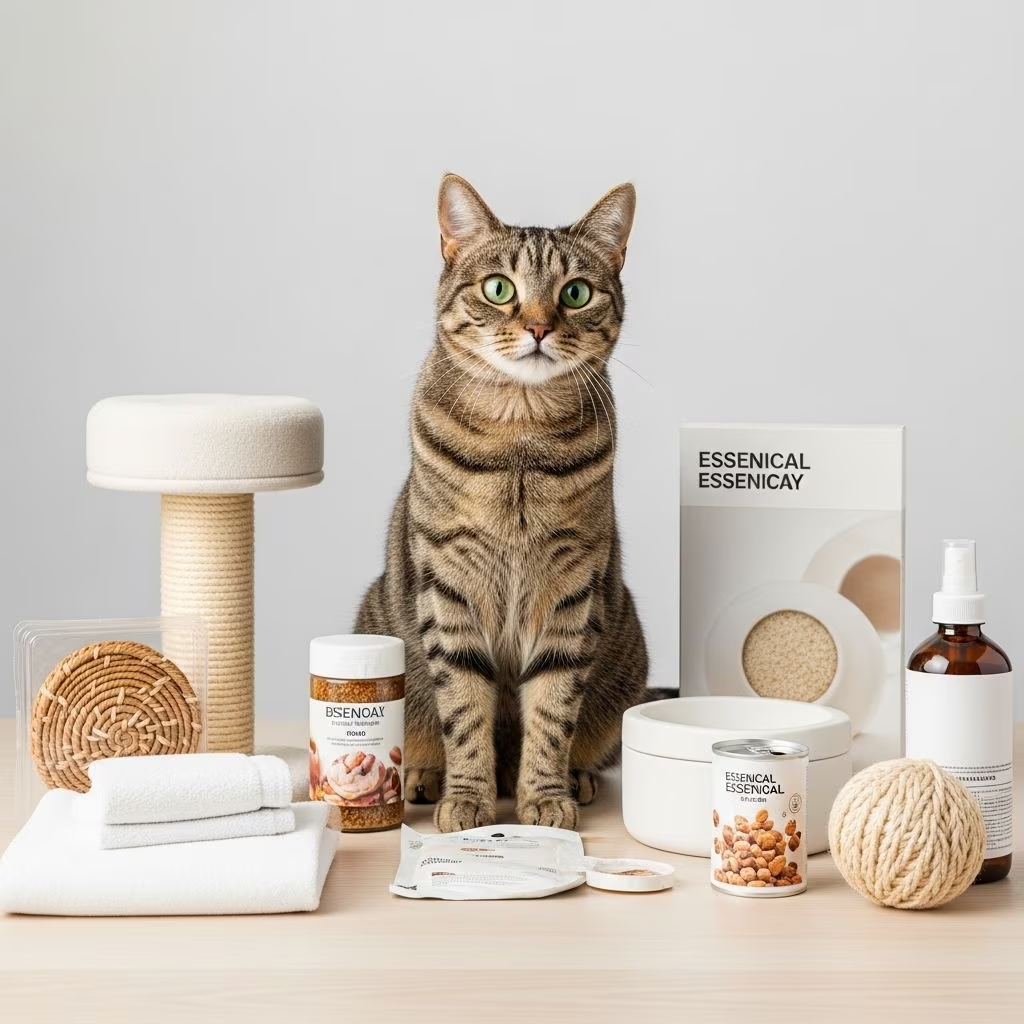
Cat Adoption Checklist: Everything New Cat Owners Need to Know
Bringing a new cat into your home is an exciting milestone, but it requires careful preparation to ensure your feline friend transitions smoothly. Whether you’re adopting a playful kitten or a mature rescue cat, having the right supplies, knowledge, and mindset makes all the difference. This comprehensive guide walks you through every essential step of cat adoption, from preparing your home to scheduling that crucial first vet appointment.
Understanding Your Lifestyle and Home Environment
Before you fall head over heels for a cat at the shelter, take time to honestly assess whether a cat fits your current lifestyle. Consider whether you have other pets at home and how they might react to a new feline companion. Think about your work schedule, social commitments, and travel plans. Do you have time to provide daily interaction and mental stimulation? Will you be able to afford veterinary care, quality food, and other ongoing expenses?
Your living space matters too. Is your apartment or house suited to accommodate a cat’s needs? Do you have windows for natural light and bird watching? Can you create a safe, enriching environment where your cat can play, climb, and rest? These questions help you choose the right cat for your situation—whether that’s an energetic young cat or a calm, older companion who needs less stimulation.
Essential Supplies Before Bringing Your Cat Home
One of the most important steps in preparing for cat adoption is gathering all necessary supplies before your new pet arrives. Starting with the right items ensures a smooth transition and helps your cat feel secure in their new home.
Food and Water Setup
Your cat will need quality food and water bowls. Ask the shelter or rescue organization which food your cat has been eating, and plan to continue with that same brand initially. Abrupt food changes can cause digestive upset, so transition gradually to any new food over 7-10 days if you wish to switch later. Consider investing in a water fountain, as many cats prefer running water and drink more when provided with this option. Automatic feeders are also helpful for portion control and maintaining consistent feeding schedules.
Litter Box and Supplies
Just like food, stick with the same type of litter your cat is accustomed to at first. You’ll need a litter box—or preferably multiple boxes if you have space. The general rule is one box per cat, plus one extra. Place litter boxes in quiet, accessible areas away from food and water bowls. Include a litter scoop and stock up on enzymatic odor neutralizer for cleaning accidents or spills outside the box.
Comfort and Enrichment Items
Create a cozy space for your new cat with a comfortable bed or blanket. Scratching posts and pads are essential for healthy claw maintenance and stress relief. Provide a variety of toys—wand toys are excellent for bonding and interactive play, while puzzle toys and catnip toys offer mental stimulation. Include a sturdy carrier for safe transport to vet appointments and emergencies.
Grooming and Health Essentials
Depending on your cat’s coat length, you’ll need appropriate brushes or combs. Nail clippers, a feline toothbrush, and toothpaste support your cat’s oral and physical health. Keep first-aid supplies on hand, including non-toxic cleaners, paper towels, sponges, and a scrub brush for accidents.
Cat-Proofing Your Home
Cats are naturally curious creatures, and kittens especially love to explore and investigate everything. Before your new cat arrives, spend time getting down to their level and looking at your home from their perspective. This helps you identify potential hazards and remove temptation.
Secure all electrical cords and wires that could be chewed. Remove toxic plants like lilies, poinsettias, and philodendrons. Block off small hiding spots where a frightened cat could become stuck. Move breakable items away from shelf edges where a tail swish could send them crashing to the floor. Clear the floor of small objects that could be swallowed, including rubber bands, hair ties, string, and small toys with removable parts.
Ensure windows and doors are secure so your cat cannot accidentally escape. Consider installing window screens or safety nets if you plan to open windows. If you have a balcony or outdoor access, verify it’s completely enclosed or protected with cat-safe netting.
Setting Up a Safe Haven Room
When your cat first comes home, they may feel overwhelmed by the size of their new environment. Creating a designated safe haven room helps them adjust gradually and reduces stress. Choose a quiet room, such as a bathroom, small bedroom, or large closet, away from household noise and activity.
Furnish this room with everything your cat needs: their bed, food and water bowls, toys, a scratching post, and a litter box positioned as far as possible from the sleeping and eating areas. Spend quality one-on-one time with your cat in this space. Once they seem comfortable and confident, you can gradually open the door and allow them to explore the rest of your home at their own pace. Never force your cat out of the room—let them take the lead.
Identification and Microchipping
Ensure your cat wears a collar with an ID tag displaying your phone number. This is the quickest way for someone to reunite you with your pet if they escape. Ask the rescue organization if your cat has already been microchipped. If so, update the microchip registry with your current contact information. If not, have your veterinarian implant a microchip as soon as possible. Microchipping provides permanent identification that cannot be lost or removed, significantly increasing the chances of recovery if your cat goes missing.
The First Veterinary Visit
Schedule a veterinary examination within the first week after bringing your cat home. Bring any adoption documents and vaccination records you received from the shelter or rescue organization. During this visit, the veterinarian will:
- Review your cat’s medical history and approximate age
- Confirm spay/neuter status
- Check vaccination status and administer any needed vaccines
- Discuss parasite prevention (fleas, ticks, worms)
- Evaluate diet and nutritional needs
- Address any health concerns or behavioral questions
- Review microchip information and confirm it’s registered
This appointment establishes a relationship with your veterinarian and provides a baseline for your cat’s health. Don’t hesitate to ask questions about supplements, preventive care, or any behavioral concerns you’ve noticed.
Adjusting to Life with Your New Cat
Patience is crucial during the adjustment period. Cats adopted from shelters and rescues have often experienced significant changes and may need time to trust their new environment. Allow your cat to come to you rather than forcing interaction. Provide gentle affection, positive reinforcement through treats and play, and lots of reassurance. Some cats may hide for several days—this is completely normal. Keep providing food, water, and litter access while giving them space to emerge on their own terms.
Observe your cat’s personality as it develops over weeks and months. You may discover quirks and preferences you didn’t notice initially. Pay attention to their energy levels, play style, and social preferences to better meet their needs.
Special Considerations for Kittens
Adopting a kitten requires additional preparation beyond the basics. Kittens need smaller, shallow food and water bowls for easy access. Choose kitten-specific food formulated for their developmental needs. Select unscented or mildly scented litter, as kittens can be sensitive to strong odors.
Kitten-proof your home even more carefully than for adult cats. Secure any small hiding spots, remove toxic plants, and tuck away string-like items that could cause intestinal blockages. Provide kitten-safe toys with no small parts that could be swallowed. Use baby gates or playpens to confine kittens to safe areas when unsupervised.
Kittens require more interactive playtime and supervision than adult cats. Budget time for training, socialization, and channeling their abundant energy into appropriate outlets. Consider adopting two kittens instead of one, as littermates provide companionship and entertainment for each other.
Understanding Ongoing Costs and Responsibilities
Cat ownership involves both mandatory and discretionary expenses. Mandatory costs include quality food, routine veterinary care, litter and litter boxes, and local licensing if required. Additional recommended expenses include professional grooming (especially for long-coated breeds), toys and enrichment items, microchipping, and preventive medications.
Long-haired cats require 20 minutes of daily grooming to prevent matting and tangles. Cats with special medical conditions or behavioral challenges may require specialized professional support. Budget for unexpected emergency veterinary care—accidents and illnesses can result in costly treatment. Having a financial plan or pet insurance helps you provide the best care without financial stress.
Creating an Enriched Environment
Beyond the basics, a thriving cat needs mental and physical stimulation. Provide vertical spaces like cat trees or wall-mounted shelves where cats can climb and observe their territory. Rotate toys regularly to maintain interest. Interactive play sessions using wand toys, laser pointers, or balls keep your cat active and engaged. Window perches allow your cat to watch birds and outdoor activity—natural entertainment that prevents boredom.
Puzzle feeders and treat-dispensing toys provide mental stimulation while slowing eating speed. Scratching posts placed in high-traffic areas allow your cat to mark territory and maintain claw health. Consider window boxes with bird feeders outside so your indoor cat can enjoy bird watching.
Frequently Asked Questions
Q: How long does it take for a cat to adjust to a new home?
A: Most cats need 2-4 weeks to adjust to a new home, though some may take several months. Patience, consistency, and a designated safe space accelerate the adjustment process. Every cat has a unique timeline.
Q: Should I keep my new cat indoors only?
A: Indoor-only cats have longer lifespans and face fewer dangers. If you want your cat to experience outdoor time, create a secure catio (enclosed patio) or use a harness and leash. Outdoor access comes with risks including traffic, predators, and disease exposure.
Q: What should I do if my new cat is hiding?
A: Hiding is a normal stress response. Provide food, water, and litter access in their safe space. Avoid forcing interaction. Most cats emerge gradually as they gain confidence. If your cat hides for more than a few days or stops eating, consult your veterinarian.
Q: How do I introduce my new cat to other pets?
A: Keep your new cat in a separate room initially. Allow other pets to smell under the door. Gradually introduce them through visual contact using a baby gate. Direct supervised contact comes after several days of gradual introduction. Go slowly to prevent conflicts.
Q: When should my cat be spayed or neutered?
A: Most rescue cats are already spayed or neutered before adoption. If not, your veterinarian typically recommends the procedure around 5-6 months of age, though it can be done earlier. Discuss timing with your vet.
Q: What type of litter is best for a new cat?
A: The best litter is the type your cat is accustomed to from their shelter or foster home. Stick with this initially, then gradually transition to your preferred type if desired. Many cats prefer unscented, clumping litter.
Q: How often should I take my cat to the veterinarian?
A: Adult cats should visit the veterinarian annually for checkups and preventive care. Senior cats (over 10 years) benefit from twice-yearly visits. Kittens need several visits in their first year for vaccinations and health monitoring.
References
- The Ultimate Cat Adoption Guide for First-Time Pet Parents — Pacagen. 2025. https://pacagen.com/blogs/cat-allergies/cat-adoption-guide
- Cat Adoption Checklist — Petfinder. 2025. https://www.petfinder.com/cats-and-kittens/adoption/finding/cat-adoption-checklist/
- New Cat Checklist: Welcome Your New Feline Friend Home — Best Friends Animal Society. 2025. https://bestfriends.org/pet-care-resources/new-cat-checklist-welcome-your-new-feline-friend-home
- Cat Adoption Checklist: Everything New Cat Owners Need to Know — Chewy. 2025. https://www.chewy.com/education/cat/general/cat-adoption-checklist
- Cat Adoption Handbook — San Francisco SPCA. 2023. https://www.sfspca.org/wp-content/uploads/2019/04/sfspca-cat-adoption-handbook-2023.pdf



