

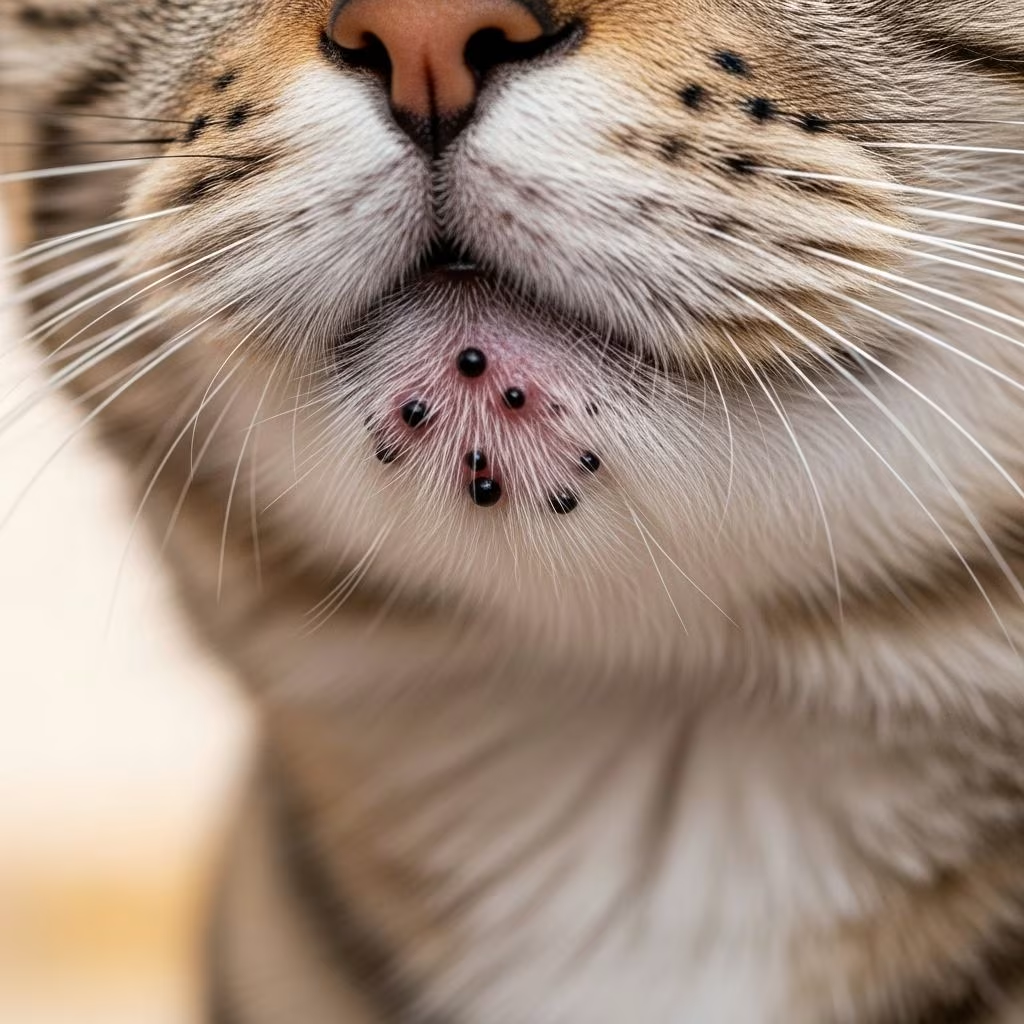
Cat acne, also known as feline acne, is a common skin condition primarily affecting the chin and lips of cats. It manifests as blackheads, pimples, or inflamed sores due to clogged hair follicles from excess keratin and oil production. While not usually serious, it can lead to secondary infections if untreated, requiring prompt hygiene improvements and veterinary care.
What is cat acne?
Cat acne involves the overproduction of keratin, a protein that forms the outer skin layer, leading to blocked hair follicles or comedones (blackheads). These can become infected, forming red pustules resembling human pimples. Unlike human acne driven by hormones, feline acne stems from poor grooming, excessive sebum, or immune issues, mainly on the chin where cats rub during eating.
The condition is chronic for many cats, often recurring without maintenance. It affects cats of all ages but is more noticeable in those with dark chins, where blackheads stand out. Early intervention prevents progression to painful cysts or abscesses.
Symptoms of cat acne
Initial signs include small black dots (comedones) on the chin or lip edges. As it worsens:
- Red, inflamed bumps or papules
- Pus-filled pimples or crusty scabs
- Swelling, redness, or hair loss around the area
- Itching or rubbing chin on surfaces
- In severe cases, draining sores or foul odor from infection
Symptoms are typically painless but can cause discomfort if infected. Multiple household cats may develop it simultaneously, suggesting environmental triggers over genetics.
Causes of cat acne
The exact cause remains unclear, but several factors contribute to follicle clogging:
- Poor grooming: Cats unable to clean their chins effectively, often due to obesity, pain, or long fur.
- Excess oil and keratin: Overactive sebaceous glands produce too much sebum, trapping debris.
- Plastic bowls: Porous surfaces harbor bacteria and cause contact allergies.
- Allergies: Food or environmental sensitivities leading to inflammation.
- Stress or hormones: Triggers flare-ups, especially in young adults (2-4 years).
- Weakened immunity: From viruses (e.g., herpesvirus), autoimmune issues, or medications.
- Other: Bacterial overgrowth, mites, or underlying dermatitis.
These factors block follicles, allowing bacteria proliferation and infection.
Diagnosis of cat acne
Vets diagnose via physical exam, noting chin lesions. They may:
- Scrape skin for cytology to check bacteria or mites
- Perform biopsies for severe or atypical cases
- Rule out lookalikes like ringworm, allergies, or eosinophilic granuloma
No specific tests exist; history of recurrence and response to hygiene guides confirmation.
Treatment for cat acne
Treatment focuses on hygiene, infection control, and trigger removal. Mild cases resolve with home care; severe ones need meds.
Home care and hygiene
- Wipe chin daily with cat-safe chlorhexidine, benzoyl peroxide wipes, or dilute hydrogen peroxide using a cotton ball. Gentle scrubbing removes debris.
- Clip fur around chin to reduce bacteria.
- Switch to stainless steel, glass, or ceramic bowls; clean daily.
- Avoid popping pimples to prevent scarring.
Veterinary treatments
| Severity | Treatments |
|---|---|
| Mild (blackheads) | Topical antiseptics, keratolytic shampoos |
| Moderate (pimples) | Antibiotic ointments (e.g., mupirocin), antifungal if needed |
| Severe (infected) | Oral antibiotics (e.g., clindamycin), steroids for inflammation, omega-3/6 supplements |
Maintenance cleansing prevents flares. Fatty acids support skin barrier function.
Preventing cat acne
Proactive steps minimize recurrences:
- Maintain daily chin wiping and grooming.
- Use non-porous bowls, washed frequently.
- Monitor diet for allergies; consider hypoallergenic food.
- Reduce stress with enrichment.
- Regular vet check-ups for early detection.
Lifelong management is often required, but consistent hygiene keeps most cats clear.
When to see a vet
Consult a vet if:
- Blackheads persist >1-2 weeks despite cleaning.
- Redness, swelling, pus, or odor appears.
- Cat seems painful or stops eating.
- Lesions spread beyond chin.
Prompt care rules out serious issues like abscesses or demodex.
Frequently Asked Questions (FAQs)
Is cat acne contagious?
No, cat acne is not contagious to other cats or humans. It’s due to individual factors like grooming or allergies, not a transmissible pathogen.
Can cat acne go away on its own?
Mild cases may resolve with hygiene, but chronic acne often recurs without ongoing care. Veterinary guidance ensures complete management.
Why does my cat keep getting chin acne?
Recurrence stems from unmanaged triggers like plastic bowls or allergies. Consistent prevention addresses root causes effectively.
Is feline acne painful?
Usually not, but infected pustules can cause discomfort, itching, or rubbing. Treat promptly to avoid pain.
How long does cat acne treatment take?
Mild cases improve in days to weeks; severe infections may need 2-4 weeks of meds plus lifelong hygiene.
Conclusion
Cat acne is manageable with diligence. By understanding causes like poor hygiene and allergies, applying treatments from wipes to antibiotics, and preventing via bowl changes, you can keep your cat’s skin healthy. Always partner with your vet for tailored advice.
References
- Cat Acne – PetMD — PetMD. 2023-10-15. https://www.petmd.com/cat/conditions/skin/cat-acne
- Why Does My Cat Have Chin Acne? Causes and Solutions — Orchard Road Animal Hospital. 2024-02-20. https://www.orchardroadanimalhospital.com/services/cats/blog/why-does-my-cat-have-chin-acne-causes-and-solutions-feline-breakouts
- What to Know About Feline Acne — WebMD. 2023-05-12. https://www.webmd.com/pets/cats/what-to-know-feline-acne
- Cat Acne: Causes, What It Looks Like, and How to Treat It — GoodRx. 2024-08-05. https://www.goodrx.com/pet-health/cat/cat-acne
- Acne in Cats – Causes, Treatment and Associated Conditions — Vetster. 2023-11-30. https://vetster.com/en/conditions/cat/acne



