

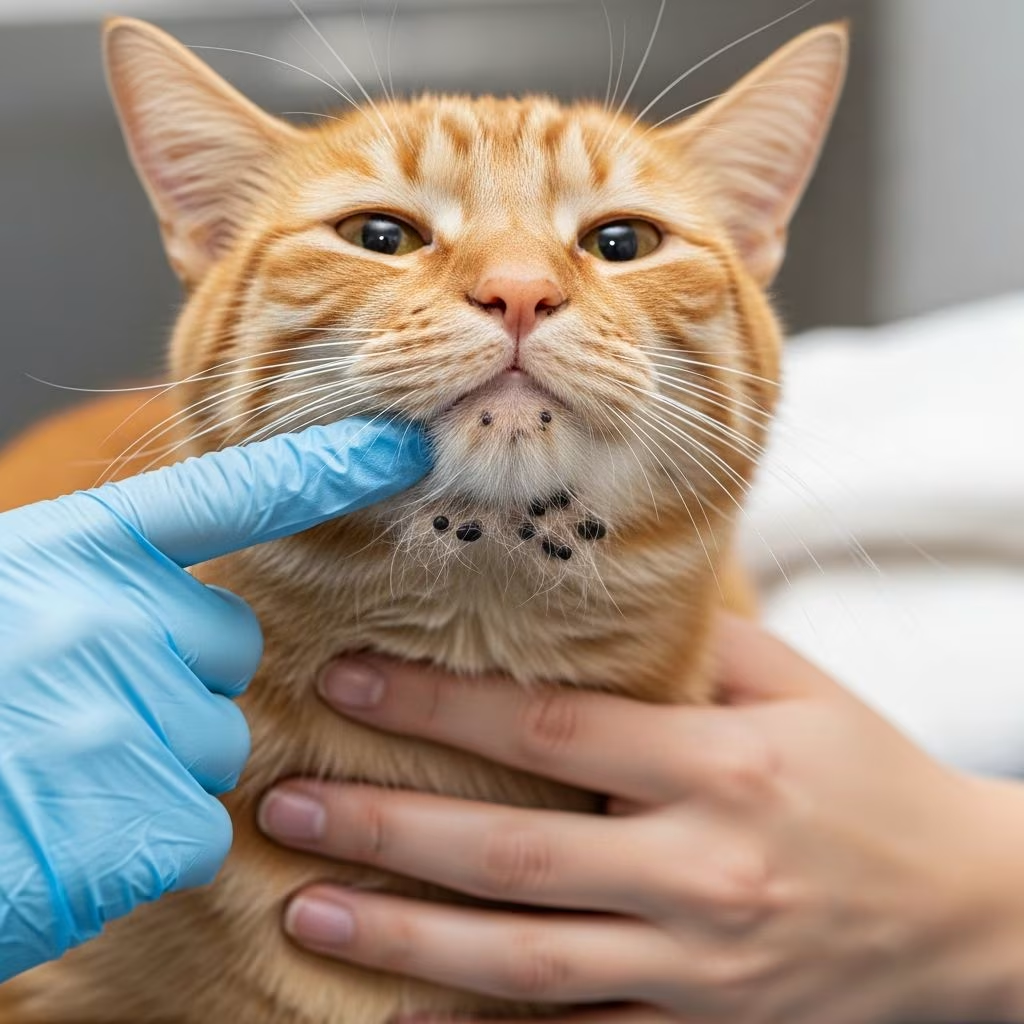
Cat acne primarily affects the chin and lips, manifesting as blackheads, redness, or pus-filled bumps due to clogged hair follicles from excess keratin and oil. Effective management combines hygiene improvements, environmental changes, and veterinary interventions to prevent recurrence and complications like infections.
Recognizing Feline Chin Acne
Feline chin acne, often called cat acne, appears as small black dots resembling human blackheads on the chin or lower lip areas. These comedones form when hair follicles clog with keratin, a skin protein, and sebum, leading to potential bacterial infections that cause swelling, crusting, or painful pustules. Unlike human acne, it rarely itches but can become chronic if untreated.
Early signs include dirty-looking chin fur from oxidized sebum, progressing to red inflamed skin or draining sores in moderate cases. Severe instances involve abscesses or hair loss, mimicking other conditions like mites or allergies, necessitating professional diagnosis.
Primary Causes Behind Cat Acne
The precise etiology remains elusive, but overproduction of keratin traps in follicles, blocking pores and inviting bacteria. Multiple household cats developing it suggests environmental triggers over genetics.
Hygiene and Grooming Deficiencies
Cats with poor self-grooming accumulate oils and debris on the chin, exacerbating blockages. Long-haired breeds or those with skin folds face higher risks due to trapped materials.
Environmental Contributors
Plastic bowls harbor bacteria in scratches, transferring to the chin during eating. Switching to non-porous materials like stainless steel, glass, or ceramic reduces this risk significantly.
Underlying Health Triggers
- Allergies: Food, flea, or environmental sensitivities provoke inflammation and excess oil.
- Stress: Heightens sebum production and weakens skin barriers.
- Hormonal or Immune Issues: Imbalances or suppression lead to abnormal keratinization.
- Other Factors: Medications, trauma, or conditions like eosinophilic granuloma.
Step-by-Step Home Management Strategies
Most cases respond to consistent hygiene without medications. Daily chin wiping prevents buildup, extending remission periods.
| Action | Frequency | Benefits |
|---|---|---|
| Gently wipe chin with cat-safe benzoyl peroxide wipes | Daily or post-meals | Removes debris, kills bacteria |
| Clip chin fur short | As needed | Reduces bacterial hiding spots |
| Clean bowls with hot soapy water | Daily | Eliminates bacterial reservoirs |
| Use stainless steel/glass bowls | Permanent switch | Prevents plastic-related irritation |
Incorporate omega-3 supplements to normalize skin shedding and reduce inflammation, supporting long-term skin health.
Professional Treatment Options
For persistent or infected acne, vets tailor plans based on severity. Mild cases use topical antiseptics; severe ones require systemic drugs.
Topical Therapies
Benzoyl peroxide shampoos or chlorhexidine wipes flush follicles effectively. Antibiotic ointments like mupirocin target infections, applied 1-2 times daily under guidance.
Systemic Medications
- Antibiotics: Oral or injectable for bacterial overgrowth, typically 2-4 weeks.
- Steroids: Reduce swelling in inflammatory cases, short-term use.
Advanced Interventions
Laser therapy targets inflammation in refractory cases, promoting rapid healing. Regular vet follow-ups adjust protocols.
Preventing Recurrence in Your Cat
Lifelong vigilance is key, as acne often recurs. Maintain hygiene routines, monitor for flare triggers, and schedule annual skin checks. Flea prevention averts allergy-induced episodes. Stress reduction via pheromone diffusers or stable environments aids prevention.
Holistic and Supportive Approaches
Dietary tweaks address allergies; hypoallergenic foods or novel proteins may help. Natural topicals like diluted tea tree oil require vet approval to avoid toxicity. Fatty acid supplements bolster skin immunity.
When to Consult a Veterinarian Urgently
Seek care if acne worsens to pus, swelling, or pain; refuses food; or spreads. Prompt intervention prevents abscesses or chronic issues. Differentiate from demodex mites, ringworm, or tumors via cytology or biopsy.
Frequently Asked Questions (FAQs)
Is cat acne contagious?
No, it’s not transmissible between cats or to humans; environmental factors drive outbreaks.
Can diet cause cat acne?
Yes, allergies to ingredients may trigger it; trial hypoallergenic diets under vet supervision.
How long does treatment take?
Mild cases improve in days to weeks; chronic ones need ongoing management.
Is mupirocin safe for cats?
Yes, as a prescription antibiotic ointment for infected acne, but only per vet dosing.
Will my cat outgrow acne?
Some do, but adults often require maintenance; kittens may resolve spontaneously.
References
- Cat Acne – PetMD — PetMD. 2023. https://www.petmd.com/cat/conditions/skin/cat-acne
- Cat Acne: Causes, Prevention, and Treatment Options — Boulder Veterinary Hospital. 2023. https://bouldervet.com/blog/cat-acne/
- When to Seek Cat Acne Treatment — Faithful Friends Vet Clinic. 2023. https://faithfulfriendsvetclinic.com/when-to-seek-cat-acne-treatment/
- Cat Acne: Causes, What It Looks Like, and How to Treat It — GoodRx. 2024-01-15. https://www.goodrx.com/pet-health/cat/cat-acne
- Cat Acne & How to Treat It — Purina. 2023. https://www.purina.com/articles/cat/health/skin-fur-ears/cat-acne-pimples
- Managing Feline Acne — Texas A&M College of Veterinary Medicine. 2023. https://vetmed.tamu.edu/news/pet-talk/managing-feline-acne/
- Chin Acne in Cats — VCA Animal Hospitals. 2023. https://vcahospitals.com/know-your-pet/chin-acne-in-cats



