

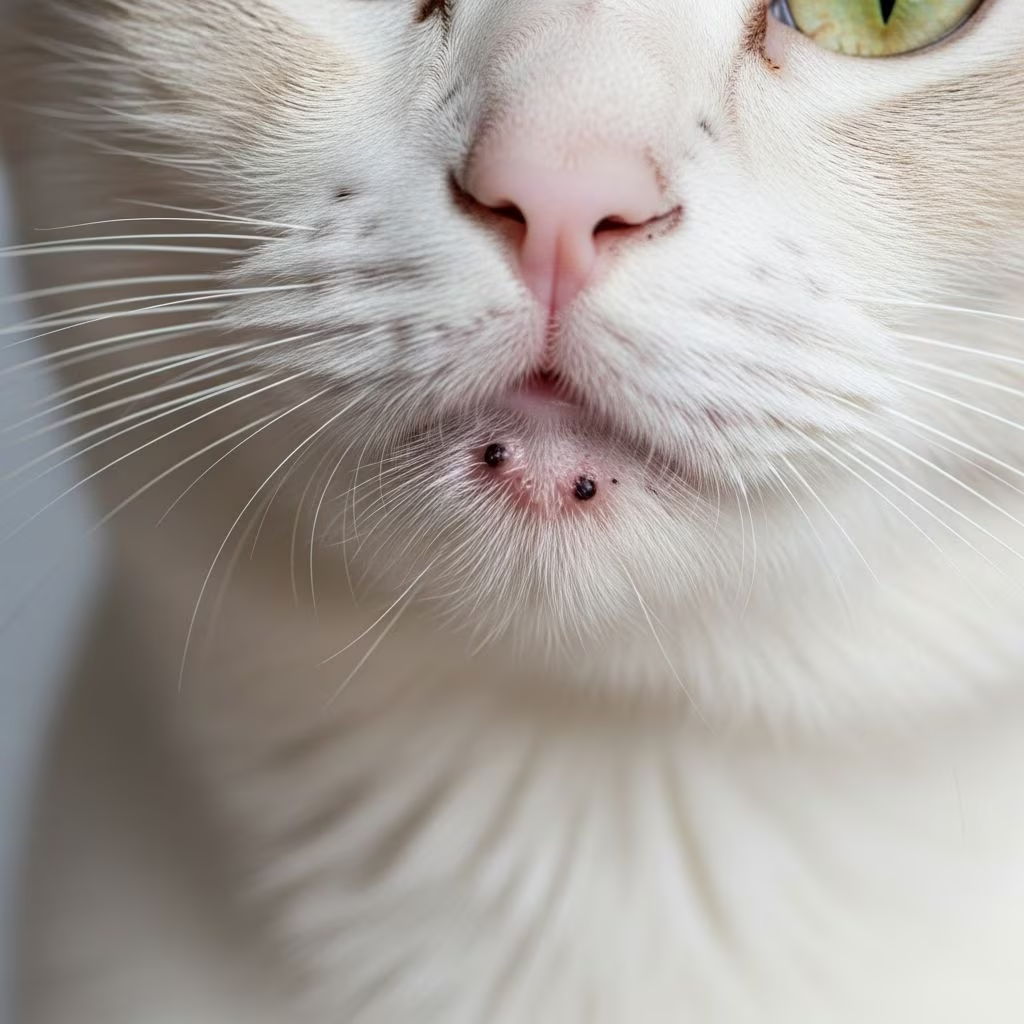
Feline acne, often appearing as blackheads or pimples on a cat’s chin, is a frequent skin disorder that impacts many household pets. This condition arises from blocked hair follicles due to excess oil, keratin buildup, or bacterial activity, leading to discomfort if unmanaged. Owners frequently notice these issues during routine grooming or feeding, prompting questions about effective management.
Understanding the Nature of Feline Skin Breakouts
Cats develop acne primarily on the chin and lips because these areas have dense concentrations of sebaceous glands that produce oil to lubricate the skin. When oil mixes with dead skin cells and keratin—a protein essential for skin structure—it forms comedones, or blackheads. If bacteria invade these plugs, inflammation sets in, creating red, pus-filled bumps resembling human pimples.
Unlike teenage human acne driven by hormones, cat versions stem from multifactorial triggers. Veterinary dermatology views it as a disorder of follicle hyperkeratinization, where the skin’s outer layer thickens abnormally, trapping debris. This can recur lifelong, requiring ongoing vigilance rather than a one-time fix.
Primary Triggers Behind Chin Acne in Cats
Several factors contribute to this condition, blending environmental influences with physiological ones. Identifying the root cause helps tailor interventions effectively.
- Poor Grooming: Cats unable to clean their faces adequately—due to obesity, arthritis, or long fur—allow oils and dirt to accumulate.
- Plastic Dishes: Porous plastic bowls trap bacteria, transferring them to the chin during meals.
- Allergies and Sensitivities: Reactions to food proteins, fleas, or environmental allergens inflame skin and exacerbate blockages.
- Stress and Hormones: Anxiety from household changes or peak hormonal periods (ages 2-4) disrupts sebum balance.
- Overactive Glands: Excessive sebum production clogs follicles independently or alongside infections.
Less common culprits include viral infections like feline herpesvirus, immunosuppression from medications, or underlying diseases weakening immunity. A table below summarizes these for quick reference:
| Trigger Category | Examples | Impact on Skin |
|---|---|---|
| Environmental | Plastic bowls, dirty surfaces | Bacterial harboring and transfer |
| Behavioral | Poor self-grooming, stress | Oil and debris buildup |
| Physiological | Excess keratin/sebum, hormones | Follicle blockage and inflammation |
| Health-Related | Allergies, infections, immunity issues | Secondary infections and swelling |
Spotting the Signs Early
Early detection prevents progression from mild blackheads to painful abscesses. Monitor your cat’s chin daily, especially post-meals. Key indicators include:
- Dark spots or blackheads on chin/lips
- Redness, swelling, or small bumps
- Pus-filled pustules or crusty scabs
- Hair loss or bald patches in the area
- Bleeding, itching, or rubbing against objects
Mild cases show only comedones, while severe ones involve folliculitis—inflamed follicles—or deeper infections causing tenderness. Cats may paw at their face or avoid touch, signaling discomfort.
Diagnostic Steps with Your Veterinarian
Diagnosis starts with a physical exam, where vets inspect the chin under light for comedones and swab for bacteria or yeast. No advanced tests are routine unless allergies or systemic issues are suspected—then bloodwork, skin scrapes, or biopsies rule out mites, ringworm, or tumors. History of diet, bowls, and grooming habits guides the assessment.
Effective Treatment Strategies
Treatment scales with severity, prioritizing hygiene to unclog follicles and curb bacteria. Most cats respond to at-home care under vet guidance.
Mild Cases: Topical and Hygiene Focus
Begin with daily cleansing using cat-safe benzoyl peroxide wipes or chlorhexidine solutions to dissolve plugs and kill bacteria. Gently wipe the chin after meals, avoiding human products that irritate. Clipping chin fur reduces bacterial hideouts. Switch to glass, ceramic, or stainless bowls, washing them daily. Omega-3 supplements support skin barrier function.
Moderate to Severe: Medications and Advanced Options
Infected cases need antibiotic ointments or oral doses for 2-4 weeks. Anti-inflammatories like corticosteroids ease swelling; rarely, isotretinoin (adapted from human acne meds) addresses chronic overproduction. Refractory instances may use medicated shampoos, laser therapy for targeted healing, or antifungals if yeast is involved.
Holistic adjuncts like aloe vera gels require vet approval to avoid toxicity.
Long-Term Prevention Tactics
Acne often recurs, demanding lifelong habits:
- Clean chin nightly with approved wipes
- Use non-porous dishes, refreshed frequently
- Maintain flea control and hypoallergenic diets if allergies confirmed
- Reduce stress via stable routines, pheromone diffusers
- Groom regularly, clipping fur if needed
Quarterly vet check-ins monitor progress.
Common Myths Debunked
Myth 1: Cat acne is just dirtiness—Reality: It’s multifactorial, not solely hygiene.
Myth 2: Popping pimples helps—Reality: This spreads infection.
Myth 3: It resolves alone—Reality: Untreated, it worsens.
FAQs on Feline Acne
What breeds are prone? All, but Persians or long-haired cats due to grooming challenges.
Is it contagious? No, but bacteria can spread to other skin areas.
How long until improvement? 1-2 weeks with hygiene; full control may take months.
Can diet fix it? Sometimes, if allergies trigger; trial hypoallergenic food.
When to worry? If swelling, fever, or no response in 7-10 days—seek vet urgently.
Supporting Your Cat’s Skin Health Holistically
Beyond acne, robust skin demands balanced nutrition rich in fatty acids, hydration, and parasite prevention. Annual wellness exams catch predispositions early. By integrating these practices, owners foster resilience against flare-ups, ensuring their feline companions enjoy itch-free comfort year-round.
References
- Cat Acne – PetMD — PetMD. 2023. https://www.petmd.com/cat/conditions/skin/cat-acne
- Cat Acne: Causes, Prevention, and Treatment Options — Boulder Vet. 2023. https://bouldervet.com/blog/cat-acne/
- When to Seek Cat Acne Treatment for your Feline Friend — Faithful Friends Vet Clinic. 2024. https://faithfulfriendsvetclinic.com/when-to-seek-cat-acne-treatment/
- Diagnosis and Treatment of Cat Acne — VetAmerican. 2023. https://www.vetamerikan.org/health-information/cat-diseases/cat-acne
- Acne in Cats – Causes, Treatment and Associated Conditions — Vetster. 2024. https://vetster.com/en/conditions/cat/acne
- Chin Acne in Cats — VCA Animal Hospitals. 2024. https://vcahospitals.com/know-your-pet/chin-acne-in-cats



