

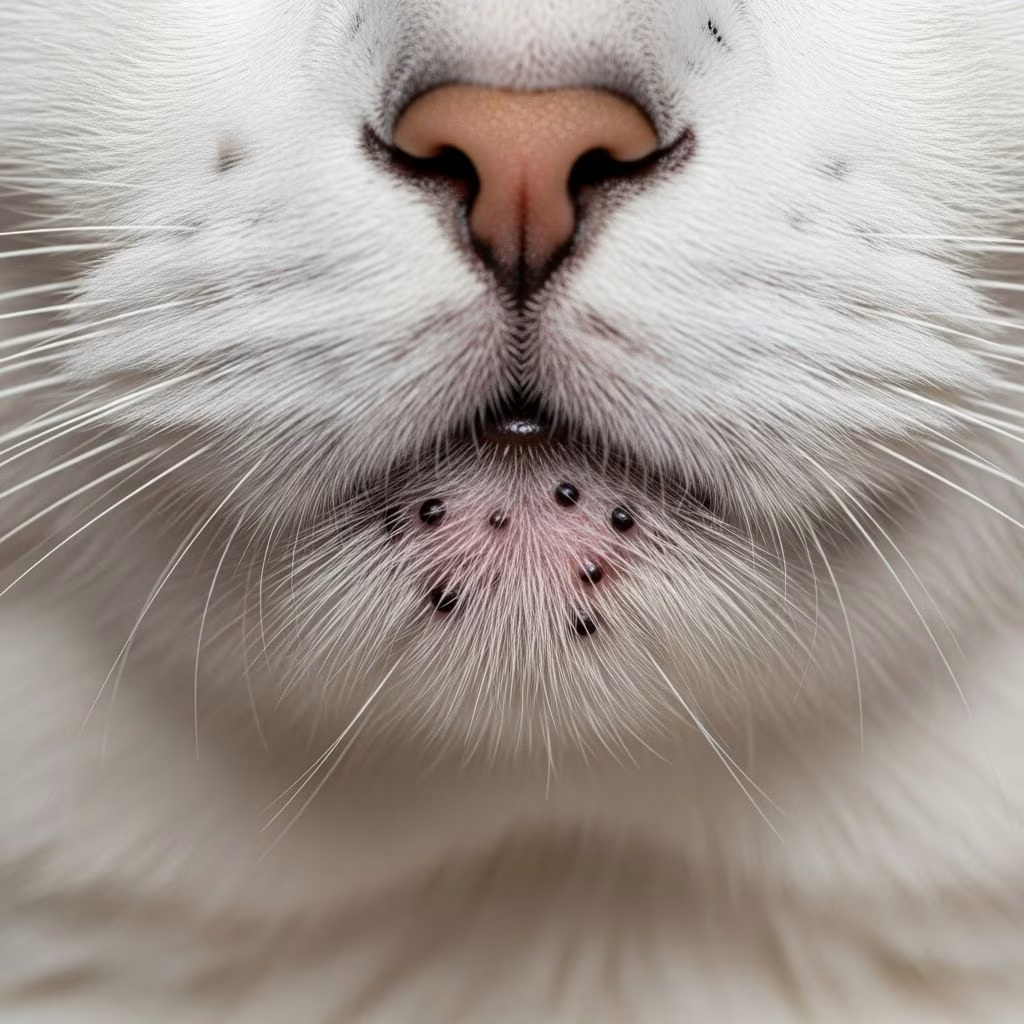
Cat acne, commonly known as feline chin acne, is a prevalent skin condition that manifests primarily on a cat’s chin and lips. Characterized by blackheads, pimples, and sometimes more severe inflammation, it results from clogged hair follicles due to excess keratin and sebum production. While not typically painful, untreated cases can lead to secondary bacterial infections. This comprehensive guide covers everything from identification to management, drawing on veterinary insights for cat owners.
What Is Cat Acne?
Cat acne is a dermatological disorder where hair follicles, especially on the chin, become obstructed. This blockage occurs due to overproduction of keratin—a protein essential for skin structure—and sebum, an oily substance from sebaceous glands. The result is comedones (blackheads), which can progress to red, pus-filled pustules if bacteria infect them. Unlike human acne driven mainly by hormones, feline acne’s exact etiology remains elusive but is linked to multifactorial triggers rather than genetics alone, as multiple household cats can be affected simultaneously.
It affects cats of all ages, breeds, and sexes, often appearing as dirty-looking chin spots that owners mistake for grime. Early recognition prevents escalation to chronic issues like abscesses or scarring.
Symptoms of Cat Acne
Recognizing cat acne early is crucial for prompt intervention. Common symptoms include:
- Blackheads (comedones): Small, dark plugs visible on the chin, resembling dirt.
- Red bumps or pimples: Inflamed follicles that may ooze or crust over.
- Pus-filled lesions: In moderate cases, indicating bacterial involvement.
- Crusty or scabby skin: Dried exudate from ruptured pustules.
- Swelling or nodules: Severe cases may show edematous areas or abscesses.
- Itching or rubbing: Cats may scratch or rub their chin on surfaces, worsening irritation.
Symptoms are usually localized to the chin and lower lip but can spread to surrounding areas. Most cases are non-pruritic (non-itchy), but advanced infections cause discomfort.
Causes of Cat Acne
The precise cause of cat acne is poorly understood, but it stems from follicular hyperkeratosis—excess keratin trapping in follicles. Contributing factors include:
- Poor grooming: Cats that don’t clean their chins adequately allow oil and debris buildup.
- Excess sebum and keratin: Overactive glands clog pores.
- Plastic dish allergies: Hypersensitivity to plastics in bowls harbors bacteria and irritants.
- Allergies: Food, environmental, or contact allergies trigger inflammation.
- Weakened immunity: Compromised skin barrier function or systemic issues.
- Stress or hormones: Imbalances exacerbate oil production.
- Underlying conditions: Eosinophilic granuloma complex, demodex mites, ringworm, or autoimmune disorders.
Environmental triggers like dirty bowls or infrequent cleaning amplify risks, making hygiene pivotal.
Diagnosis of Cat Acne
Veterinarians diagnose cat acne via clinical examination, noting characteristic chin lesions. To rule out mimics like mites, fungal infections (ringworm), bacterial folliculitis, or neoplasia, they may perform:
- Skin scrapings for parasites.
- Cytology or biopsies for infection confirmation.
- Bacterial cultures for antibiotic sensitivity.
- Allergy testing if recurrent.
Differential diagnoses include trauma, seborrhea, or viral conditions. Accurate diagnosis ensures targeted therapy.
Treatment Options for Cat Acne
Treatment focuses on hygiene, debris removal, and infection control, tailored to severity. Core strategies include:
Mild Cases
- Daily cleansing: Gently wipe chin with chlorhexidine, benzoyl peroxide wipes (cat-specific), or dilute hydrogen peroxide using cotton balls. Avoid human products.
- Clip fur: Shorten chin hair to reduce bacteria.
Moderate to Severe Cases
- Topicals: Antibiotic ointments, antifungal creams, or retinoids for inflammation.
- Systemic antibiotics: Oral or injectable for infections, based on cultures.
- Steroids: Short-term to curb swelling.
- Supplements: Omega-3/6 fatty acids to normalize skin shedding and reduce inflammation.
Gradually taper treatments as skin clears, but lifelong maintenance may be needed for recurrence-prone cats.
Prevention and Home Care
Prevent flare-ups through proactive measures:
- Bowl switch: Use stainless steel, glass, or ceramic; clean daily.
- Routine cleaning: Wipe chin post-meals; groom regularly.
- Diet management: Address allergies with hypoallergenic food.
- Stress reduction: Enrich environment to minimize triggers.
- Regular vet checks: Monitor for underlying issues.
Consistent hygiene extends remission periods significantly.
When to See a Vet
Consult a veterinarian if you notice persistent blackheads, swelling, pus, odor, or if home cleaning fails after 1-2 weeks. Severe signs like fever, lethargy, or spreading lesions warrant immediate care to avert complications like cellulitis. Prompt intervention distinguishes acne from serious conditions.
FAQs
Is cat acne contagious?
No, cat acne is not contagious to other cats or humans; it’s a non-infectious follicular issue.
Can cat acne go away on its own?
Mild cases may resolve with hygiene, but most require intervention to prevent recurrence.
Why does my cat keep getting chin acne?
Recurrence stems from ongoing triggers like plastic bowls or allergies; maintenance is key.
Is cat acne painful?
Usually not, but infected cases cause discomfort from itching or swelling.
How long does treatment take?
Improvement in 1-2 weeks; full clearance varies, with lifelong management common.
References
- Cat Acne – PetMD — PetMD. 2023. https://www.petmd.com/cat/conditions/skin/cat-acne
- Causes and Treatments for Feline Acne – WebMD — WebMD. 2023. https://www.webmd.com/pets/cats/what-to-know-feline-acne
- Cat Acne: Causes, What It Looks Like, and How to Treat It – GoodRx — GoodRx. 2024. https://www.goodrx.com/pet-health/cat/cat-acne
- Chin Acne in Cats | VCA Animal Hospitals — VCA Animal Hospitals. 2023. https://vcahospitals.com/know-your-pet/chin-acne-in-cats
- Managing Feline Acne – Texas A&M College of Veterinary Medicine — Texas A&M Vet Med. 2023. https://vetmed.tamu.edu/news/pet-talk/managing-feline-acne/



